

Tanzania in August 2026: what travelers should know now
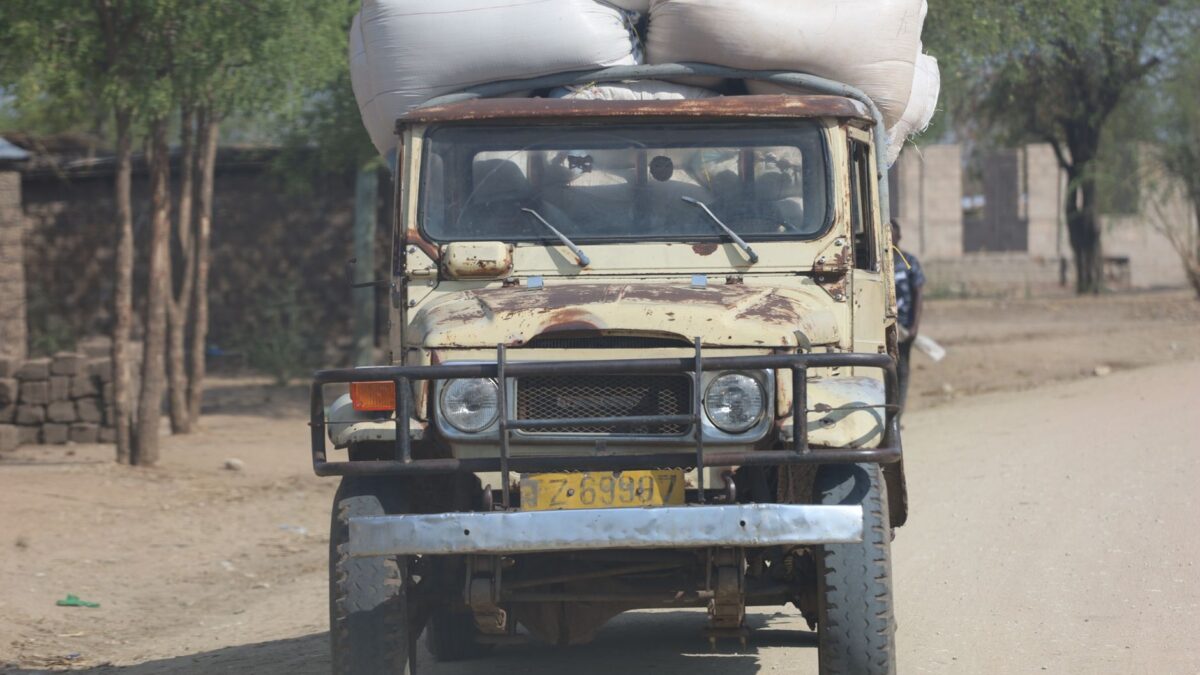
The dust of the Nane Nane Agricultural Exhibition has barely settled on the Dr John Samuel Malecela Grounds in Nzuguni, and Dodoma is settling into its late-winter rhythm. As I write this on August 23, 2026, the capital is wrapped in a soft overcast blanket, with temperatures hovering between a cool 17°C at dawn and a pleasant 29°C by mid-afternoon. The sun rises late (around 06:41) and sets early (18:38), giving you long, golden evenings—perfect for a slow walk around Nyerere Square or a grilled dinner on Uhuru Street. This is the tail end of the dry season, so the city is dusty, the skies are hazy, and the nights carry a crispness that surprises first-time visitors. But there’s a tangible buzz here: Parliament is in session, the ministries in Mtumba are humming, and the construction cranes against the horizon are a reminder that, as the late John Malecela put it, “This is not the Dodoma of the past.”
The Pulse of the Capital: Parliament, Politics, and a City in Motion
If you’re arriving in the next week or two, you’ll be sharing the city with members of parliament, senior officials, and a noticeable security presence. The Bunge (Parliament of Tanzania) is in session through late August, with standing committees on water, security, health, and industry/trade meeting at the premises on Parliament Hill. This means two things: first, hotels in the Tambukareli quarter and near the Bunge are busier than usual, so book ahead. Second, you’ll see more official vehicles and police checkpoints around the parliament area—carry your passport or ID at all times, as you’ll need it even to walk the grounds (which are walkable with ID). The political mood is buoyant, with a sense of construction-driven optimism. The new administrative quarter around Kambarage Tower, the Court of Appeal, and the Jakaya Kikwete Convention Centre is a sign of that—a walk around there feels like stepping into a new city.
Also on the calendar: the Tanzania Elderly Men’s Association (Chama cha Wazee Wanaume) is holding its first national meeting in Dodoma on August 29, with 200 delegates and the Vice-President, Emmanuel Nchimbi, expected to open it. This is a low-key event, but it may bring a few extra visitors to mid-range hotels near the convention centre. Don’t expect major road closures, but do expect a modest uptick in activity around the Bunge and Tambukareli on that day.
Remembering a Tragedy: A Note on the Road
Before I go further, I want to acknowledge something that has weighed on this community. On August 2, a dawn collision between two passenger buses at Ibihwa village in Bahi District, about 40 minutes west of Dodoma, killed 8 people and injured 66, many of whom were treated at Dodoma Regional Referral Hospital. As you travel in the region—especially on the Dar es Salaam road—please be patient, wear your seatbelt, and avoid overnight bus travel if you can. The accident has sparked conversations about road safety, and you may see increased police presence on major highways. It’s a somber context, but one that reminds us to value every journey.
Weather, Packing, and the Dry-Season Bite
In late August, Dodoma is in the full grip of the dry season. Days are warm but not scorching—the average high is 29°C—and nights drop to a comfortable 17°C, so you’ll want a light jacket or sweater for evening outings. The overcast mornings are typical and usually burn off by late morning, but they keep the dust down, which is a blessing. Pack light, breathable clothing for the day, a scarf or mask for dusty roads (especially if you’re on a boda boda), and sturdy shoes for walking. Sunscreen is essential even on cloudy days, and sunglasses are non-negotiable. Rain is virtually impossible, so leave the umbrella at home—it would only collect dust.
For a hike, Lion Rock (Simba Hill) is best done in the early morning before the heat builds. The view over the city—with the Bunge dome, the Gaddafi Mosque’s minarets, and the Anglican Cathedral’s octagonal silhouette—is stunning, and the cool air makes the ascent bearable. Bring water; there are no vendors on the trail.
What’s On Now, and What’s Next
The big event of the month—the Nane Nane Agricultural Exhibition—wrapped up on August 8, but its ripple effects are still felt. Market stalls across the city, from the Central Market to Kisasa, are full of the season’s harvest: fresh grapes from Hombolo, maize, beans, and an abundance of produce. For a foodie, this is the best time to try ugali na nyama choma at a local stall—expect to pay TZS 5,000–8,000 (roughly $2.50) for a generous plate. A roast chicken with chapati at a night grill like Abuu Asmaa will set you back under TZS 10,000 (about $4), and a full street-food meal at Dodoma Central Market—ugali, rice, or nyama choma—costs between TZS 5,000 and 10,000 (roughly $3). A basic meal with a drink at an inexpensive local restaurant is around TZS 8,500 ($3), while a mid-range restaurant with a local-international mix will be under TZS 25,000 ($10). You can easily eat well on TZS 8,000–20,000 a day.
Looking ahead, the weeks after Parliament closes (likely in early September) will see a slight lull in hotel demand, but mid-range accommodation remains reasonable: a serviced one-bedroom apartment at a place like Gerwill Hotel or Spring Hills Hotel Dodoma costs around TZS 165,000 per night ($65). If you’re staying longer, a modest one-bedroom flat rents for TZS 250,000–400,000 per month (about $125). The SGR-era influx is nudging rents up, but Dodoma is still one of Tanzania’s cheaper cities—prices run about 60–70% below US levels.
Getting Around and Staying Connected
Dodoma has no city transit card, so keep cash handy. Daladala minibuses are the cheapest way to get around—fares range from TZS 400 to 800 ($0.15–0.30)—and they radiate from the Machinga Complex terminal. For short hops, hop on a boda boda (motorcycle) or bajaji (three-wheeler); always agree on the fare before boarding, and use the LATRA app for official fares and routes. A single fare on the SGR shuttle bus around town is a fixed TZS 5,000 (about $2). The SGR station connects Dodoma to Dar es Salaam (a quick, comfortable ride), and Dodoma Airport (DOD) handles domestic flights. If you’re heading to the Maasai Market for beadwork or textiles, expect to bargain—prices for tourists are often inflated, but that’s part of the game.
For connectivity, get a local SIM. Vodacom has the best coverage; Airtel, Tigo, and Yas are also good. You can even register for a Yas SIM inside the SGR station. You’ll need your passport for SIM registration, and about 10 GB of data costs around TZS 20,000 ($8). If you’re opening a bank account at CRDB, NMB, or any other bank, bring your passport, NIDA ID, and residence/work permit—this is also required for your SIM and (for new residents) essential. Carry your passport with you especially when visiting the Bunge grounds; security is tight.
Practical Tips for First-Timers This Month
- Apply for your eVisa in advance: The Tanzania eVisa system is the smoothest route; tourist visas are also issued on arrival for many nationalities (about $50 single entry). Keep a paper copy of your visa and passport pages—you’ll need them for SIM registration and hotel check-ins.
- Embrace the nights: Evenings are glorious—grab a mishkaki skewer from a street vendor, then settle in at a night grill on Jamhuri or Uhuru Street. Don’t miss the ngoma drum circles at Jamatini Garden if you chance upon one.
- Plan a weekend to the parks: Ruaha, Tarangire, and Mikumi are within striking distance for wildlife; for a shorter trip, visit Hombolo Lake (flamingos and pelicans are a sight) or Mtera Dam.
- Try Dodoma’s wine: You’re in Tanzania’s wine capital—CETAWICO, Tanganyika Vineyards, Kibo, and Hombolo vineyards produce excellent grapes on this semi-arid plateau. A glass at a local restaurant is a must.
- Respect the mourning: The bus tragedy is still fresh; be considerate when discussing it, and take road safety seriously.
- Carry cash in small denominations: Most daily transactions—daladala fare, street food, market purchases—are cash-only. Mobile money (M-Pesa, Airtel Money) is ubiquitous, but as a visitor, cash is simpler.
Dodoma is not Zanzibar’s beach or Kilimanjaro’s summit—it’s a working city, a place where history is being made in real time. As you walk through Mtumba’s Government City, past the ministry buildings that only became functional in 2016, you’ll feel the pulse of a nation building itself. The dust might settle on your shoes, but the energy will stay with you. Enjoy this month, and travel well.
Frequently asked questions
Is August a good time to visit Dodoma?
Yes—late August offers mild days (17-29°C) and cool nights, ideal for sightseeing. The Nane Nane harvest season has just ended, so markets are full, and Parliament in session adds a political buzz. Just pack for dusty conditions and cool evenings.
What is the current weather in Dodoma in late August 2026?
Expect overcast mornings and sunny afternoons with highs around 29°C and lows near 17°C. No rain, but bring a light jacket for evenings and a scarf for dust. Sunrise is around 06:41 and sunset at 18:38.
Are there any events in Dodoma at the end of August 2026?
The Nane Nane Agricultural Exhibition ran Aug 1-8, and the Tanzania Elderly Men's Association holds its first national meeting on Aug 29 with the Vice-President. Parliament is in session through late August, so the city is lively.
How much does food cost in Dodoma?
A basic local meal with a drink costs about TZS 8,500 ($3). A plate of ugali with nyama choma is TZS 5,000-8,000, and a roast chicken with chapati is under TZS 10,000. A full street-food meal at the Central Market runs TZS 5,000-10,000.
Do I need a visa to enter Tanzania in August 2026?
Yes, most visitors need a visa. Apply via the eVisa system before travel; tourist visas are also issued on arrival for many nationalities (about $50 single entry). Carry your passport for SIM registration and hotel check-in.


