

Tanzania in November 2026: what travelers should know now
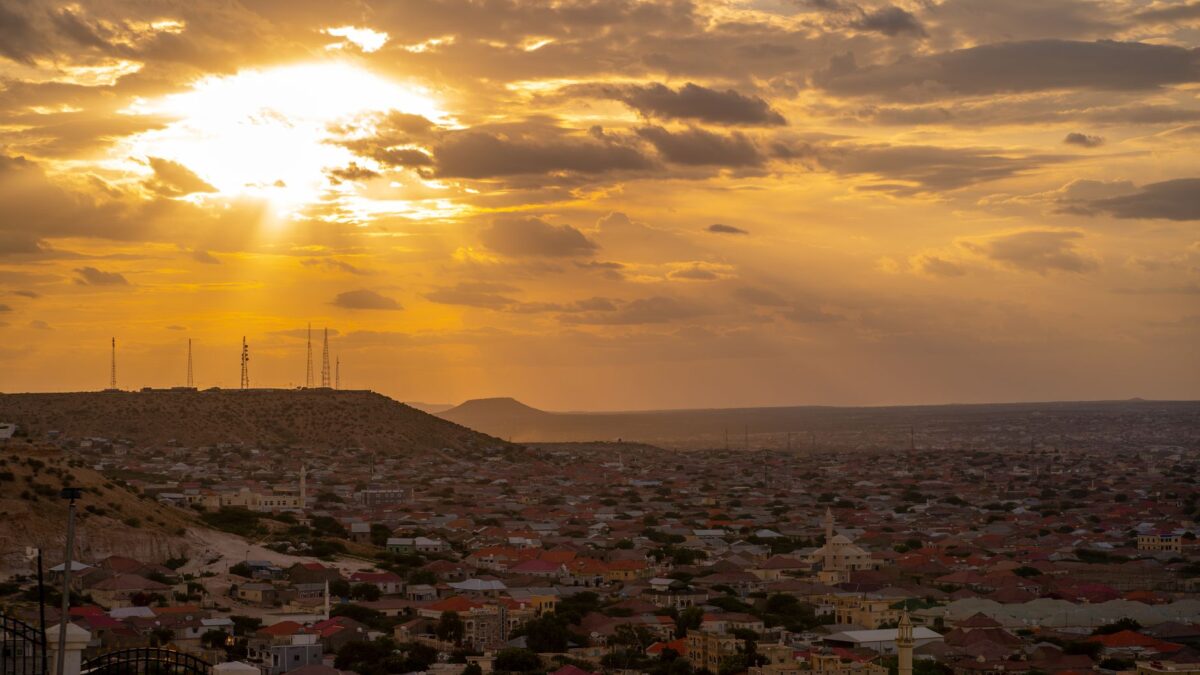
The dry, dusty wind is finally giving way to a soft overcast sky in Dodoma today, November 7, 2026. If you are standing here right now, you will notice the temperature has settled into a comfortable 18–33°C range, with light breezes sweeping through the wide avenues of Area C. This is the sweet spot before the heavy rains hit in earnest next month. For travelers arriving this week, the city feels calm, spacious, and ready for exploration. The streets are not yet crowded with the seasonal influx of safari-bound tourists heading south to Ruaha, making it an ideal time to experience the rhythm of Tanzania’s planned capital without the usual rush.
Weather and Packing: The Calm Before the Rains
As of today, Dodoma is experiencing mild, overcast conditions with temperatures hovering between 18°C in the early morning and 33°C by mid-afternoon. Sunrise is at 06:10 and sunset at 18:31, giving you plenty of daylight for sightseeing. While November is technically the start of the short rainy season (the vuli), many days still offer clear skies or gentle showers that cool the air rather than disrupt plans. Pack light layers—a breathable shirt for the afternoon heat and a light jacket or cardigan for the cooler mornings and evenings. An umbrella is essential, but you won’t need heavy rain gear just yet. The humidity is manageable, and the landscape is beginning to show hints of green after the long dry spell.
Cost of Living and Budgeting in Dodoma
Dodoma remains one of East Africa’s most affordable capitals, roughly 40% cheaper than Dar es Salaam. As a traveler, your money goes further here, especially if you embrace local dining and transport. A meal at an inexpensive local restaurant—think a simple plate of food without drinks—costs about TZS 7,000 (≈ $2.7). For a more leisurely three-course dinner for two at a mid-range restaurant, expect to pay around TZS 50,000 (≈ $19). Street food is a highlight: a plate of chipsi mayai (chips-and-egg omelette) runs only TZS 3,500 (≈ $1.3), making it a perfect quick lunch.
Accommodation is also budget-friendly. A night in a mid-range hotel or guesthouse with air conditioning typically costs about TZS 120,000 (≈ $45). If you plan to stay longer, a modest one-bedroom flat outside the city centre rents for approximately TZS 250,000 (≈ $95) per month. Daily transport is incredibly cheap: a single daladala (minibus) fare within town is just TZS 500 (≈ $0.2). However, be aware that fuel and food prices have drifted up modestly through 2026, so keep a small buffer in your daily budget. Coffee lovers can enjoy a cappuccino at a café for about TZS 5,000 (≈ $1.9), while a local beer like Kilimanjaro or Safari costs around TZS 2,200 (≈ $0.8).
Practicalities: Visas, Insurance, and Registration
For those arriving this month, there are critical updates to note regarding entry requirements. Since October 1, 2026, mainland Tanzania requires inbound travel insurance. You must purchase a policy from the National Insurance Corporation (under Government Notice No. 256 of 2026) costing about US$44 for up to 92 days. Carry the printed certificate, as it is separate from Zanzibar’s policy and may be checked upon arrival. Visa applications should be made via the official portal, visa.immigration.go.tz, allowing about 10 working days for processing. Ordinary single-entry visas cost US$50, but US passport holders must opt for the US$100 multiple-entry visa. Ensure your passport has six months’ validity and a blank page, and carry a yellow-fever certificate if you are arriving from a risk country like Kenya.
If you are staying longer than six months, registration is mandatory. Start with a work permit from the Labour Commissioner, followed by a residence permit from the Immigration Department in Dodoma. You will also need a TIN certificate from TRA for tax and banking purposes, and enrolment with NIDA for a National Identification Number (NIN). Keep digital and paper copies of all four documents from week one, as they are required for SIM registration, banking, and occasional checks.
Getting Around and Staying Connected
Dodoma does not have a transit card system; you pay cash for every trip. Local movement is primarily by daladala minibuses, bajaji three-wheelers, and bodaboda motorcycle taxis. The bus stand and railway station are the main hubs. For long-distance travel, Tanzania Railways Corporation offers standard-gauge electric trains from Dar es Salaam, or you can fly into Dodoma Airport (DOD). Safety-wise, Dodoma is calm by regional standards, but petty theft such as phone snatches can occur at Soko Kuu Market, Majengo Market, and around the bus stand. Avoid walking alone after dark in unfamiliar wards, and steer clear of areas like Mailimbili, Chang’ombe, and Chamwino, which have reputations for robbery despite recent improvements in lighting and infrastructure. Stick to Areas C, D, E, Kisasa, Nkuhungu, and Ipagala for safer, quieter environments.
For connectivity, buy SIM cards directly from operator shops, not street vendors. Vodacom (M-Pesa), Airtel, Yas (Mixx by Yas), and Halotel are the major networks. Registration is biometric and mandatory under the 2020 SIM Card Registration Regulations. Visitors staying less than six months need a passport and valid visa; longer stays require a NIDA ID and fingerprints. Verify your line by dialling *106# and note that each person is limited to one SIM per operator unless TCRA approval is obtained. Lines idle for 90 days are deactivated.
Festivals, Events, and Local Life in November
November in Dodoma is quiet on the festival front, but the city’s rhythm is dictated by the parliamentary calendar. When the Bunge (Parliament) is in session, the city is bustling with civil servants and University of Dodoma (UDOM) students, creating a vibrant academic and political atmosphere. When parliament rises, the city becomes noticeably emptier and more relaxed. There are no major public holidays in the immediate coming weeks, making it a good time for travel as government offices and banks operate normally. However, be mindful that some smaller businesses may close for prayer times, particularly around Friday noon prayers.
For cultural immersion, visit the Msalato area to see the Anglican Msalato Theological College and the surrounding vineyards. Dodoma is the heart of Tanzania’s small wine industry, and tasting local red wines from Cetawico or Tanganyika Vineyards is a unique experience. In the evenings, head to Area C’s Cana Lodge for its garden grill, a popular after-work spot for expats and diplomats. For a taste of local life, explore Makole Market, where you can find treadle-machine tailors, colorful kanga/kitenge fabrics, and cheap lunch counters. The market is noisy and busy, offering a authentic glimpse into Dodoma’s commercial heart.
If you have energy for adventure, consider a pre-dawn hike up Lion Rock (Simba Hill) to watch the plains turn rose-gold at sunrise. It’s a local rite of passage and offers panoramic views of the city. Alternatively, visit Lake Hombolo, about 55 km north-east, for dugout fishing and birdwatching. While Dodoma itself is not a safari town, Ruaha National Park is reachable by road or light aircraft, and the UNESCO-listed Kondoa Irangi rock-art shelters are roughly 160 km north, both worth considering if you have extra time.
Right Now: Tips for Your November Visit
As you navigate Dodoma this month, keep these practical tips in mind. First, always carry cash in Tanzanian Shillings (TZS); while cards work in hotels and supermarkets, mobile money (M-Pesa, Airtel Money, Mixx by Yas, HaloPesa) is king for daily transactions. Second, when booking accommodation, mid-range options like Spring Hills Hotel, Gerwill Hotel, or Zabibu Hotel offer good value around TZS 120,000 per night. For dining, try THE BISTRO or Chef’s pride for mid-range meals, or Golden Fork for a reliable local option. Third, be patient with bureaucracy if you are extending your stay; processes can take time, so start registrations early. Finally, respect the local culture: dress modestly, especially in residential areas and near religious sites, and engage with locals warmly—they are known for their hospitality and willingness to share stories about Gogo heritage, ngoma drumming, and the history of this young capital.
Frequently asked questions
Do I need travel insurance to enter Tanzania in November 2026?
Yes. Since October 1, 2026, mainland Tanzania requires inbound travel insurance. Purchase a policy from the National Insurance Corporation (about US$44 for up to 92 days) and carry the printed certificate.
How much does a typical meal cost in Dodoma?
An inexpensive local meal costs about TZS 7,000 (≈ $2.7), while a three-course dinner for two at a mid-range restaurant is around TZS 50,000 (≈ $19). Street food like chipsi mayai is approximately TZS 3,500 (≈ $1.3).
What are the current weather conditions in Dodoma in November?
Temperatures range from 18°C to 33°C with overcast skies and light breezes. It is the start of the short rainy season, so pack light layers and an umbrella.
Is it safe to walk around Dodoma at night?
Dodoma is generally calm, but avoid walking alone after dark in unfamiliar wards. Petty theft can occur at markets and bus stands. Stick to safer areas like C, D, E, Kisasa, and Nkuhungu.
How do I register for a SIM card in Dodoma?
Buy from official operator shops (Vodacom, Airtel, Yas, Halotel). Registration is biometric and mandatory. Visitors under six months need a passport and visa; longer stays require a NIDA ID.


