

The best time to visit Belgium
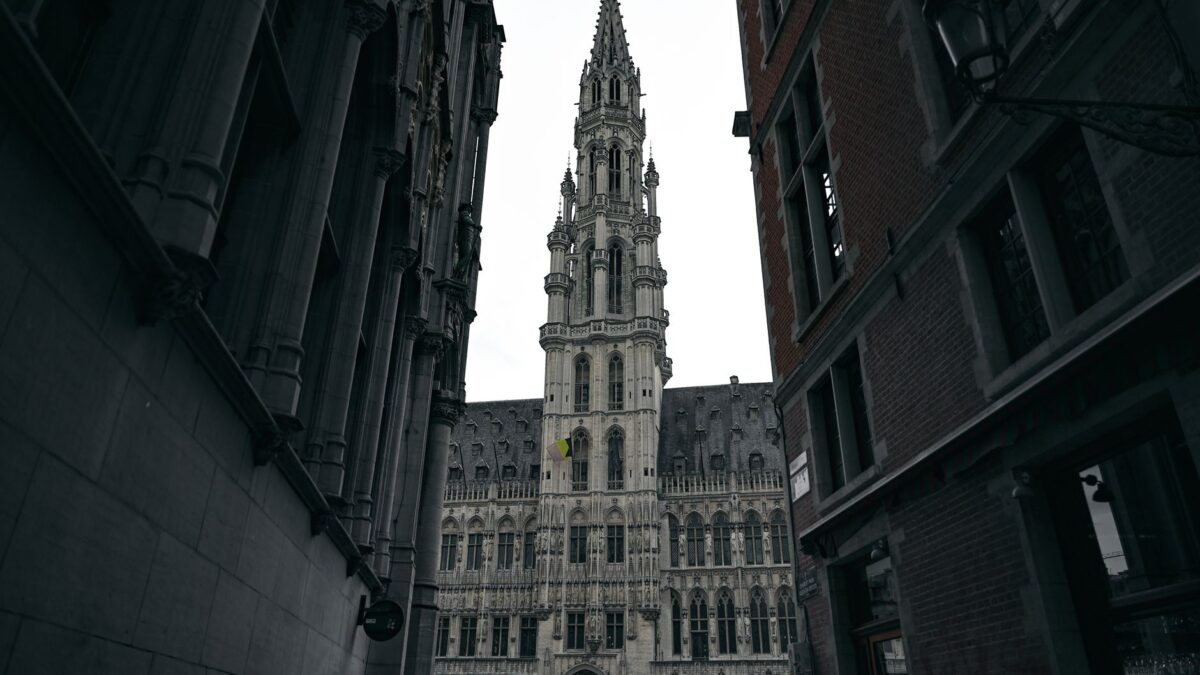
There is a specific texture to Brussels in late October. It is damp, grey, and settles into your bones the moment you step off the tram at Midi station. The café terraces are half-abandoned, the air smells of wet cobblestones and roasting chestnuts, and the restaurant menus have quietly switched from summer salads to game, wild mushrooms, endive, and the first hearty stoofvlees. If you are planning a trip now, you might be wondering if this autumnal gloom is a deterrent or an invitation. As someone who has lived through enough Belgian winters to know that the best memories are often made indoors with a glass of Trappist ale, I can tell you: timing is everything.
Belgium is small, but its mood shifts dramatically with the seasons. Whether you want to chase the crowds away, save money on rent, or catch the right festival, here is how to pick your month.
Spring: The Green Lungs and Bluebells
If you can tolerate the occasional spring shower, April through June is arguably the most beautiful time to visit. The city wakes up. The Forêt de Soignes (Sonian Forest), one of Brussels’ green lungs, turns a vibrant emerald, and just south of the city, the Hallerbos bluebell woods offer a day trip that feels almost magical.
This is also when the weather becomes pleasant enough for outdoor dining without freezing your fingers. You can stroll around the Grand-Place, admiring the gothic Hôtel de Ville and the guild houses, without being jostled by peak-season tourists. Prices for accommodation begin to rise in May as business travel peaks—Brussels is the de-facto capital of Europe, hosting EU institutions and NATO—so booking early is wise. However, you avoid the high summer heat and the densest crowds. A simple lunch at an inexpensive local spot will cost you around €10–€16, keeping your daily budget manageable even as hotel rates tick upward.
Summer: Heat, Crowds, and Open Terraces
July and August bring warmth, but they also bring volume. This is peak tourist season. The Grand-Place is packed, and while the energy is high, the experience can feel rushed. If you visit then, embrace the open-air culture. Head to Ixelles (Elsene), specifically the Châtelain area, where the Wednesday-afternoon food market offers cheeses and organic produce, anchoring one of the city’s most pleasant dining districts. Grab a coffee at Damn Good Café or a beer at a local bar, where prices range from €3–€6, and watch the world go by.
The downside? Prices. Accommodation costs surge, and dining out becomes more expensive. A portion of moules-frites at a reliable brasserie might run you €18–€25, but at tourist traps on Rue des Bouchers, expect to pay up to €30+. If you want to save, stick to the Matongé district near Chaussée de Wavre for authentic, affordable eats, or grab a large cone of fries from any street-side friterie for about €3.50–€5. Public transit remains efficient, with a single STIB ticket costing around €2.40, but expect crowded trams.
Autumn: Culture, Comfort, and Chaos
This is my preferred season, though it comes with caveats. October and November offer lower hotel rates than summer, and the city feels more intimate. The cultural calendar is packed. For instance, events like Museum Night Fever transform 28 Brussels museums into late-night hubs, with tickets around €18 covering special shuttles. You can explore the Royal Museums of Fine Arts or check out street art at the Royal Museum of the Army without the daytime crush.
However, autumn in Brussels is unpredictable weather-wise. Expect temperatures between 7–14°C and overcast skies. More importantly, be aware of social tensions. Recent weeks have seen significant unrest, including wildcat marches and demonstrations that turned into rioting near Place de la Bourse and Gare du Midi. While the city functions normally, large protests can disrupt transit and create safety concerns. If you visit in late October or November, check local news for strike announcements or demonstrations. Avoid areas like Boulevard Lemonnier or Mont des Arts if clashes occur. Despite this, the cozy atmosphere in neighborhoods like Saint-Gilles, with its Art Nouveau charm and bar scene on Parvis de Saint-Gilles, is hard to beat when the rain starts falling.
Economically, Brussels remains one of Western Europe’s more affordable capitals. Rent for a modest 1-bedroom flat in the city centre is around €1,223 monthly, significantly cheaper than Paris or Amsterdam. Daily expenses are reasonable: a dinner at a mid-range restaurant is roughly €20–€38, and a cup of coffee is about €2.80–€4. Just remember that transit fares increased slightly in 2026; a monthly STIB pass is now €56, and airport Line Bus 12 costs about €7.90.
Winter: Festivals, Lights, and Indoor Warmth
December transforms Brussels into a winter wonderland, largely thanks to the famous Christmas markets. The Grand-Place and Place Sainte-Catherine are decked out with lights, mulled wine (vin chaud) flows freely, and the chill drives people into the city’s many cafes and bars. This is the best time to experience Belgian hospitality. Huddle in a traditional brasserie in Schaerbeek or Molenbeek-Saint-Jean, where venues like La Fonderie host cultural events alongside hearty stews.
Prices for flights and hotels spike during the holiday week, so aim for early December if possible. Once the holidays pass and before New Year’s, prices drop again. Winter weather is cold and often grey, similar to late autumn but colder. You will need layers. However, the indoor attractions shine: visit the Belgian Comic Strip Center in its Horta-designed building to see Tintin and the Smurfs, or explore the Atomium at Heysel for panoramic views (when not closed for maintenance).
Safety remains a standard urban consideration. Pickpockets are active around the Galeries Royales Saint-Hubert and major stations like Gare du Nord. Be extra cautious on streets near Gare du Midi after dark. Use official taxis or apps; a base taxi fare starts around €2.40 plus €2.20 per km. For longer stays, consider the MOBIB smart card for seamless travel across STIB-MIVB buses, trams, and metro lines.
Practical Tips for Any Season
Regardless of when you come, Brussels is accessible and walkable. The Villo bike-share scheme offers free rides for the first 30 minutes from ~360 stations, making car-free living practical. If you plan to stay longer, note that Belgium is in the Schengen area; most non-EU visitors get 90 days visa-free. For those settling in, registration at your commune within 8 working days is mandatory, involving a police residence check and a provisional National Register Number.
Banking can be slow; traditional banks like BNP Paribas Fortis or KBC require proof of residence, which takes time. Many newcomers use multi-currency apps like Wise or Revolut for day-to-day spending and MOBIB top-ups until their Belgian account is active. Mobile SIMs are easy to get from Proximus, Orange, or BASE, with ID required for registration.
In short: Spring for nature, Summer for energy (and higher costs), Autumn for culture (and caution), and Winter for festive warmth. Pick your vibe, pack accordingly, and enjoy the unique charm of this European crossroads.
Frequently asked questions
Is Brussels safe to visit in late October?
Brussels is generally safe, but late October has seen recent civil unrest and demonstrations near central areas like Place de la Bourse and Gare du Midi. Check local news for strikes or protests, and avoid demonstration zones. Standard precautions against pickpocketing apply at major sites.
How much does public transport cost in Brussels?
As of 2026, a single STIB journey costs about €2.40, with a daily cap of €8.50. A monthly 'Move Unlimited' pass is €56. Airport Line Bus 12 is approximately €7.90. Using the MOBIB smart card or contactless payment is recommended.
What are typical food prices in Brussels?
A large cone of fries costs €3.50–€5. A meal at an inexpensive local place is €10–€16, while a mid-range dinner is €20–€38. Mussels and fries at a brasserie run €18–€25, and tourist spots may charge up to €30+.
When is the best time to see the Hallerbos bluebells?
The best time is typically mid-April to early May, depending on the weather. This natural phenomenon occurs in the Hallerbos forest south of Brussels, offering a stunning blue carpet of wildflowers.
Do I need a visa to visit Brussels for tourism?
Most non-EU citizens, including US and UK nationals, do not need a visa for stays up to 90 days within any 180-day period due to Schengen agreements. Longer stays or work require a specific Belgian visa and residence permit.
Things to do in Belgium
 Likely to sell out
Private Dinant Castles & Abbey Beer Tour from Brussels or Bruges
 European Quarter Comedy Tour
 Handcraft your own silver ring in Bruges
 Likely to sell out
Private Liège, Aachen & Maastricht Tour from Brussels or Bruges
 Private Guided Historical Walking Tour in Bruges Belgium
 "Edges of Brugge" Photo Tour - 2hr open city tour & workshop