

The best time to visit Brazil
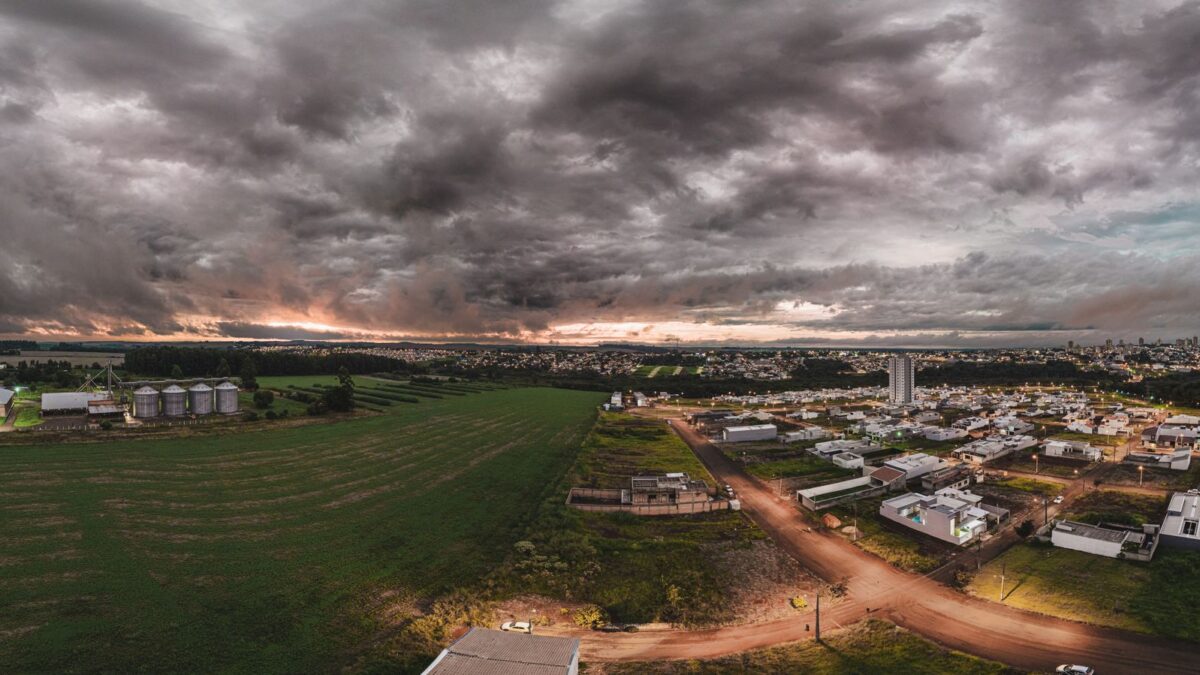
Imagine standing on the Esplanade of Ministries at 5 PM in early November. The air is thick, hazy with the dust of a dry season that has just ended, and the horizon glows orange before the sky cracks open. This is Brasília in late autumn: a hinge moment where the parched Cerrado suddenly exhales, releasing the scent of wet earth as heavy showers roll in. It is dramatic, humid, and alive. If you are planning a trip to Brazil, knowing when to arrive is not just about comfort—it is about choosing which version of this vast country you want to experience.
The Dry Season (May to September): Sun, Sky, and Silence
For many travelers, the peak window is the Brazilian winter, specifically from May through September. During these months, humidity can drop below 20%, turning the sky into an impossible shade of blue. This is the best time for photography and outdoor exploration because rain is rare. In Brasília, this period transforms the landscape; avenues lined with ipê trees burst into yellow and purple blooms, creating tunnels of color that draw maned wolves and giant anteaters out of the deeper parks.
However, there is a trade-off. The days are long and bright, but the nights can be crisp, especially at night when temperatures dip. While this is high season for tourism in places like Rio de Janeiro and the Amazon, it is often a quieter time in the interior. You will find fewer crowds at major sites like the Catedral Metropolitana, allowing you to sit in the shadow of Niemeyer’s columns and watch the light filter through Marianne Peretti’s stained glass without a tour group blocking your view. Prices for flights may be slightly higher due to the European summer holidays overlapping with our winter, but accommodation remains reasonable outside of the festive periods.
The Rainy Season (October to March): Greenery, Festivals, and Storms
From October to March, the heat rises, and the skies deliver their famous afternoon downpours. This is the season of intense life. The Cerrado turns lush and green almost overnight after a storm. In Brasília, early November is particularly striking; the air feels heavy, and the city smells of ozone and damp soil. This is also festival season. If you enjoy vibrant local culture, arriving during these months immerses you in the social pulse of the country.
Consider the energy of late autumn or spring breaks. For instance, if you visit in November, you might catch events like the Festival BOCADIM at Arena CONIC, an independent music festival celebrating LGBTQIA+ artists, or the BSB Punk Fest running across venues like Infinu Comunidade Criativa. These events offer a raw, authentic look at local youth culture that rarely makes it into guidebooks. The downside? You must plan around the weather. Afternoon storms are frequent and can be intense, though they usually pass quickly, leaving the air refreshed. Pack light, breathable clothing and a good umbrella. Crowds are thinner than in December and January, except during the Carnival period, which sees massive domestic travel and price spikes.
Holidays and Civic Rhythms
Brazilian holidays are numerous and deeply respected. Avoiding them can save you money and hassle, unless you want to participate. Dia das Crianças (Children’s Day) in October is family-focused, while Tiradentes in April and Tiradentes in April are civic holidays. Late autumn brings All Souls’ Day (November 2nd), a quiet day of remembrance, followed by Republic Proclamation Day (November 15th). If you arrive mid-November, expect a mix of solemn reflection and civic pride. Note that government offices and banks close on these dates, so plan your errands accordingly.
Shoulder Seasons: The Sweet Spot for Balance
For the ideal balance of weather, price, and crowd levels, aim for the shoulder months: April/May or September/October. In April, the rains have mostly stopped, but the summer heat has not yet peaked. The landscapes are green, the skies are clearing, and hotels often offer better rates than in the peak dry season. Similarly, September offers warm days and cool nights, with the ipê flowers just beginning to fade.
During these times, you can comfortably explore districts like Asa Sul, with its leafy superquadras and polished restaurants, or head north to Asa Norte to experience the student energy around the Universidade de Brasília (UnB). The cost of living remains stable, and you won’t face the logistical headaches of peak holiday travel. Public transport is reliable, and the city feels less rushed.
Practical Costs and Daily Life
Understanding costs helps you budget effectively. Brasília is known for having some of the highest rents in Brazil, with a modest one-bedroom flat in the Plano Piloto costing around R$ 5,000 per month. However, daily expenses for visitors are manageable. A simple lunch (prato feito) at a local self-service diner runs about R$ 45–55. A coffee (cafezinho) is roughly R$ 4, while a mid-range dinner for two is around R$ 200.
Transportation is efficient and affordable thanks to subsidies. The Cartão Mobilidade allows unlimited transfers between buses and the metro for a capped fare of R$ 5.50 within three hours. Cash is no longer accepted on buses, so ensure you have the card or a digital ticket. Taxis start at a flagfall of R$ 5.50. For a taste of local street food, grab a pastel at a weekend fair for R$ 8–12. These small costs add up to a very accessible daily experience.
Essential Logistics and Safety
Before you go, note that since April 2025, US, Canadian, and Australian passport holders require an e-Visa via VFS Global, costing approximately US$ 80.90. EU and UK citizens remain visa-free for 90 days. Upon arrival, secure your CPF (tax ID) immediately, as it is needed for SIM cards, banking, and even renting a car. Digital payments via PIX are ubiquitous; carry minimal cash.
Safety in Brasília is generally good during the day, but the monumental areas like the Esplanada become deserted and poorly lit at night. Walk in groups or use ride-sharing apps like Uber or 99. The security presence around the Praça dos Três Poderes is heavy, especially on political event days, so check local news for any closures. Embrace the city’s unique layout—designed by Lúcio Costa and Oscar Niemeyer—and let the rhythm of the seasons guide your journey.
Frequently asked questions
What is the best month to visit Brazil for good weather?
The best months for clear, dry weather are May through September. This is the dry season, offering low humidity and sunny skies, ideal for exploring cities like Brasília and natural attractions.
How much does a typical meal cost in Brazil?
A simple local lunch (prato feito) costs around R$ 45–55 ($9). A mid-range dinner for two is approximately R$ 200 ($35), while street snacks like pastels are very affordable at R$ 8–12.
Do I need a visa to visit Brazil in 2026?
Yes, for US, Canadian, and Australian passport holders, an e-Visa is required since April 2025, costing about US$ 80.90. Citizens of the EU and UK do not need a visa for stays up to 90 days.
Is public transportation expensive in Brasília?
No, public transport is subsidized. Using the Cartão Mobilidade, you can take multiple bus and metro trips for a capped fare of R$ 5.50 within three hours. Cash is not accepted on buses.
When are the major festivals in Brazil?
Major festivals include Carnival (Feb/Mar) and various local cultural events. In Brasília, November often features music festivals like Festival BOCADIM and BSB Punk Fest, coinciding with the start of the rainy season.
Things to do in Brazil
 Private Transfer from Guarulhos to São Paulo
 Special offer
Private Boat Trip - Closed Group Whelk Frame by Drumond I
 Taxi from Guarulhos Airport to São Paulo.
 Quadricycle Tour to the Hills with Off Road 15km - 2 people
 Paragliding Rio de Janeiro
 Half Day Hiking Tour Morro Dois Irmaos and Favela Vidigal