The best time to visit Bulgaria
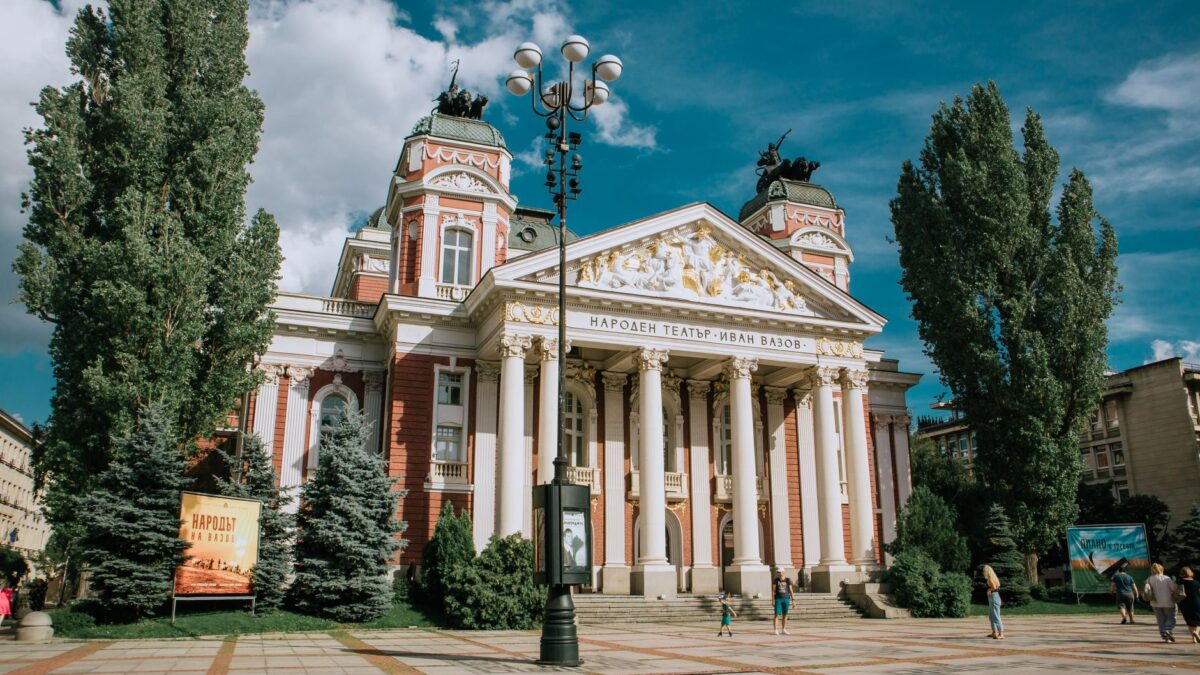
August in Sofia hits different. The afternoon sun bakes the cobblestones on Tsar Osvoboditel Boulevard, but the city doesn’t shut down—it spills out. By 6 PM, the street is closed to cars for the ‘Summer on the Cobblestones’ pedestrian stretch, and families drift past the National Ethnographic Museum, where entry is free on weekends for its 120th anniversary. The air smells of lime trees and grilled meat, and somewhere in the distance, a soprano’s voice rises from the open-air stage in front of Alexander Nevsky Cathedral—the Sofia Opera’s final week of ‘Opera at the Square.’ If you come in August, you’ll find a city that’s simultaneously relaxed and electric. But is it the best time for you? Let’s walk through the year, season by season.
Spring (March–May): The awakening
Spring is Sofia’s quiet rebel. March is still chilly, with temperatures hovering around 8–15°C, and the tail end of ski season at Vitosha’s Aleko area can stretch into April if you’re lucky. But by May, the city turns lush—the parks fill with pink and white blossoms, and the outdoor cafés on Vitosha Boulevard (locals just call it Vitoshka) become the living room of the city. You’ll see students from the nearby university nursing 5.5 BGN cappuccinos at Martines Specialty Coffee Shop & Roastery Sofia while the last of the winter coats are shed.
Crowds: Minimal. You’ll have the Rotunda of St. George almost to yourself—that 4th-century Roman relic tucked in the Presidential Palace courtyard. Prices: Mid-range hotels, like Bed&Breakfast K21 or 5 Vintage, run about 120 BGN per night—a bargain compared to summer. Festivals: The Sofia International Film Festival usually wraps in March at the National Palace of Culture (NDK), and Easter brings candlelight processions to the Alexander Nevsky Cathedral. If you’re a hiker, spring is when the Seven Rila Lakes near Rila Monastery start to thaw—the trails are muddy but gloriously empty.
Summer (June–August): The high season, but not where you think
Here’s the secret: high summer in Sofia is when locals leave. They flee to the Black Sea coast or the mountains, so the centre feels paradoxically quieter—though the festival calendar explodes. Temperatures hit 20–31°C, with fierce afternoons that melt into long, golden evenings. The 7th Sofia Summer Fest runs nightly at Yuzhen Park II through mid-September, with concerts and theatre. On any August weekend, you can walk the car-free boulevard and catch free performances—like the TRAP fest at the summer stage in Borisova Gradina on August 8. The city’s green lungs—South Park, Borisova Gradina, and the slopes of Vitosha—become your refuge from the heat.
Crowds: Moderate in the centre, but you won’t queue for long at the Boyana Church (UNESCO-listed, with 1259 frescoes) if you go early. Prices: Hotels nudge up but stay reasonable—about 120 BGN for a mid-range room. Lunch at a local place like Ploshtadcheto will cost 12–15 BGN, and a draft Kamenitza is around 6 BGN. Festivals: Beyond the Opera’s open-air extravaganza (this year’s closing Turandot on Aug 9 is a must), there’s the Roma Holocaust Memorial commemoration on Aug 2, and the free pedestrian street runs every weekend. Just beware: Metro Line 3 has a section shut for extension works, with replacement buses—plan a few extra minutes for any commute.
Autumn (September–November): The golden hour
If I had to pick a secret favourite, it’s September. The heat breaks, the crowds vanish, and Sofia turns amber and gold. The Sofia Summer Fest continues through mid-September, so you still catch outdoor shows, but now you can sit on the terrace at Lavelé Kitchen&Bar without sweating. October brings the grape harvest—head to a local mehana like Hadjidraganov’s Houses Restaurant for rustic dishes and a glass of Bulgarian red. The National Archaeological Museum (housed in the former Büyük Mosque) is a quiet gem, with Thracian gold including the Rogozen Treasure.
Crowds: Sparse. Prices: Drop to spring levels. A cappuccino stays around 5.5 BGN, and a lunch menu at an inexpensive spot is 12–15 BGN. Festivals: The Sofia Jazz Festival and various film screenings pop up at NDK and the Central Mineral Baths (now the Sofia History Museum). November is grey, but it’s the best time to warm up with a banitsa from a bakery for 2–3 BGN—the filo-cheese pastry that fuels the city.
Winter (December–February): Cozy, cheap, and Christmas-lit
Winter is for the brave and the budget-conscious. Temperatures hover around -3°C to 5°C, but Sofia’s charm is in its contrasts: cold outside, warm inside. The Christmas market in the National Palace of Culture Park is a whirl of mulled wine and grilled kebapcheta (about 5 BGN with lepinja). The city is decked in lights, and the Alexander Nevsky Cathedral looks even more majestic against a snow-dusted sky. January brings the Orthodox New Year, and February is when the ski season at Vitosha peaks—you can be on the slopes 30 minutes from the centre.
Crowds: Thin, except around the holidays. Prices: The cheapest of the year. Hotels drop well below 120 BGN. Festivals: The Sofia International Film Festival kicks off in March, but February has the Surva International Festival of Masquerade Games in the nearby town of Pernik (a short trip). Just remember: January 1, 2026, Bulgaria switched to the euro. The BGN figures I’ve been quoting are the pre-switch prices—so now a metro ticket is €0.80, a daily pass €2, and a monthly transit pass €25.50.
So, when’s the best time?
It depends on your rhythm. If you love festivals and don’t mind heat, August is unmatched—you’ll get the full ‘Summer on the Cobblestones’ experience, the Opera’s open-air finale, and the feeling that the whole city is a stage. If you want pleasant weather and zero crowds, September is your month—the best of summer without the intensity. If you’re a skier or a budget traveler, February gives you Vitosha at your doorstep and prices that make Sofia one of the cheapest EU capitals. And if you’re here for the culture, May and June have long days, blooming parks, and the start of outdoor events.
One practical note: Sofia is safe and walkable, but avoid the areas near Zhenski Pazar and Lion’s Bridge after dark, and use licensed taxis (look for the OK taxi livery or use Bolt) to avoid airport meter scams. For transit, grab the Sofia City Card from metro desks or just tap your contactless card—it caps at €2 per day. And if you’re staying over 90 days, you’ll need a long-stay visa and to register with the Migration Directorate—you’ll get an LNCh number (the foreigner’s EGN) that you’ll need for everything from bank accounts to SIMs.
Whichever month you choose, Bulgaria will meet you halfway. Just bring an appetite—for the food, the music, and the mountain air.
Frequently asked questions
What is the best month to visit Sofia for good weather without crowds?
September is ideal—temperatures are pleasant (not too hot), summer crowds have gone, and the Sofia Summer Fest still runs through mid-September.
Is Bulgaria expensive to visit?
Sofia is one of the cheapest EU capitals. A lunch menu costs about 12–15 BGN, a mid-range hotel around 120 BGN per night, and a metro ticket is €0.80 after the euro switch.
What are the must-see attractions in Sofia?
Don't miss the Alexander Nevsky Cathedral, the 4th-century Rotunda of St George, the Boyana Church (UNESCO), and the Serdica ruins at the metro interchange.
Do I need a visa to visit Bulgaria?
Since Bulgaria is a full Schengen member, US, UK, Canadian, and Australian citizens get 90 days visa-free per 180-day period. EU/EEA citizens only need an ID card.
Is Sofia safe to walk around at night?
Yes, generally. But locals avoid areas near Zhenski Pazar and Lion's Bridge after dark. Use licensed taxis or Bolt to avoid scams.
Things to do in Bulgaria
 Borovets: Private Ski or Snowboard Tuition
 Half Day Tour around Sofia and the mountains with Thermal Spa
 Sofia Discount Card – Balloon Flights, ATV, Spa, 70+ Experiences
 Food Walk: Bulgarian Food and Culture Tour in Plovdiv
 Private Wine Tasting in the UNESCO town of Nessebar
 ATV Off Road Tour Near Sofia Guided Quad Bike Experience