

The best time to visit China
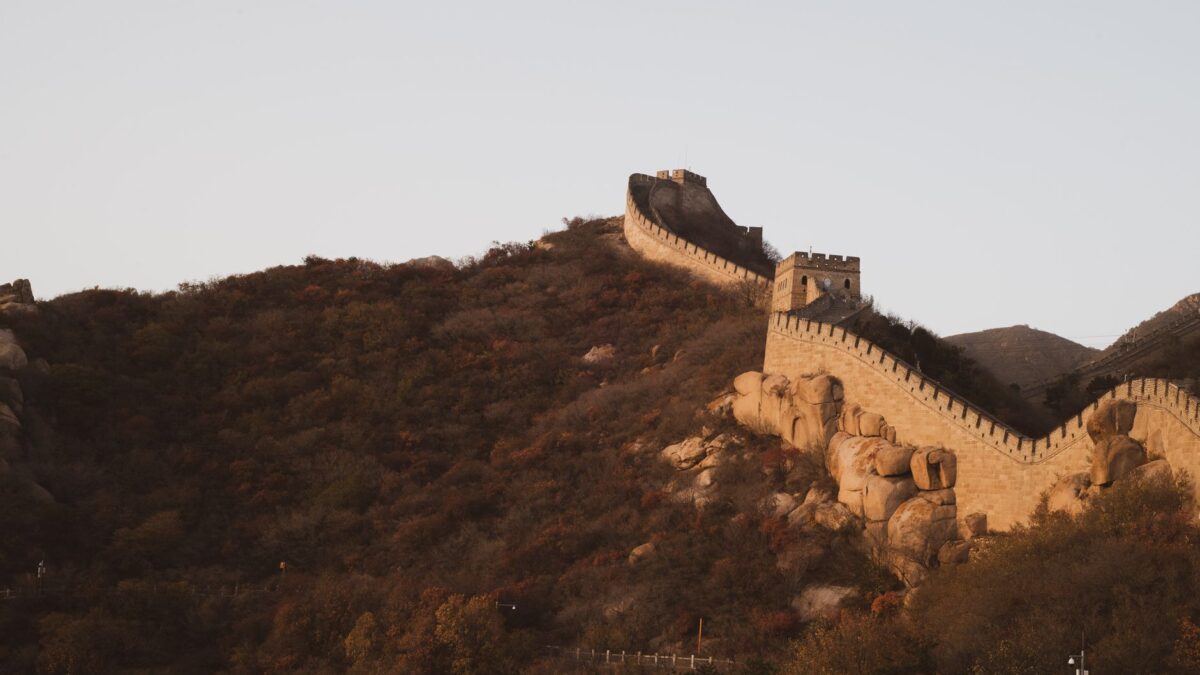
It is late September in Beijing, and the air has that distinct, crisp dryness that signals autumn has finally arrived. The heat of July and August has vanished, replaced by bright blue skies and mornings cool enough to require a light jacket. I am sitting in a courtyard in Dongcheng, watching the leaves turn gold on the ancient trees, and this is precisely why you should be here now. China is vast, but Beijing’s seasons are its heartbeat. To visit at the wrong time is to fight the weather; to visit at the right time is to feel the pulse of the city. Let me walk you through the year, so you can pick the month that fits your travel style.
The Golden Window: Autumn (September–October)
If I had to choose only one season for a first-time visitor, it would be autumn. Specifically, late September through October offers the most comfortable weather—typically around 22–32°C during the day, though evenings drop sharply. This is when the city transforms. The smog of summer clears, leaving views of the Forbidden City and the Great Wall with stunning clarity.
However, timing is everything. You must navigate the holiday calendar carefully. In late September, you will encounter the Mid-Autumn Festival, where families gather under the full moon. If you stay in a local neighborhood, expect festive markets and lantern displays. Immediately following this is National Day, or “Golden Week,” starting October 1st. This is the busiest period in China. Domestic tourism explodes, trains sell out months in advance, and popular sites like the Badaling section of the Great Wall become packed with people. For many travelers, I recommend visiting in mid-to-late September to enjoy the perfect weather without the peak crowds of early October.
During this season, the cultural calendar is rich. You might catch the Chrysanthemum Culture Event in Taoranting Park, where thousands of blooms are displayed alongside folk performances like diabolo and flying-fork dancing. Or, if you appreciate literature, the Beijing Book Fair fills Ditan Park with over 400 publishers. It is a vibrant, intellectual autumn atmosphere that defines the capital.
The Spring Awakening: March–May
Spring in Beijing is fleeting but beautiful. From March to May, the temperature rises from chilly to warm, and the cherry blossoms and peach trees bloom across the city. It is a lovely time for photography, especially around the Temple of Heaven park, where locals practice tai chi and dance at dawn.
The downside? Sandstorms. Late spring can bring dust from the Gobi Desert, which may obscure views and irritate sensitive lungs. Additionally, prices for flights and hotels rise slightly as schools break for holidays. But if you go in April, you avoid the worst of the dust and catch the city in full bloom. It is also a good time to explore the hutongs in Xicheng, as the weather is pleasant for walking the narrow alleys near Shichahai Lake without the biting cold of winter.
The Deep Freeze: November–February
Winter in Beijing is harsh, with temperatures often dropping below freezing. However, it is not devoid of charm. The snow on the red walls of the Forbidden City creates a scene straight out of a classical painting. If you are brave enough for the cold, this is the cheapest time to visit. Hotels offer significant discounts, and major attractions are far less crowded than in autumn.
Food becomes your primary comfort. Winter is the best season for hot pot and hearty noodle soups. A bowl of zhajiangmian (noodles with fried soybean paste) costs about 25 RMB ($3.5), while luzhu huoshao (stewed pork offal and bread) runs around 35 RMB ($5). These dishes are warming and deeply satisfying after a day of sightseeing. If you visit during Chinese New Year, the city shuts down for several days, with many restaurants closed and shops empty. While culturally fascinating, it can be logistically challenging for foreigners unfamiliar with the rhythm of the holiday.
The Humid Heat: June–August
Summer is the least recommended time for general tourism, primarily due to the heat and humidity. Temperatures frequently exceed 30°C, and the air can feel heavy. Rainfall is concentrated in these months, leading to sudden downpours. Crowds are manageable compared to autumn, and prices for accommodation are lower, but the discomfort of the weather can detract from your experience.
That said, summer nights have their own energy. After the sun sets, the city comes alive. Street food stalls reopen, and you can find affordable meals on Nanluoguxiang or Wangfujing snack streets for about 30–60 RMB ($4–8) per person. Try a jianbing (savoury egg crepe) for roughly 7–10 RMB ($1.2). If you do visit in summer, focus on indoor activities or evening excursions. The 798 Art Zone in Chaoyang District offers plenty of galleries and cafes to escape the heat, and night markets provide a lively atmosphere without the midday sun.
Practical Tips for Any Season
Regardless of when you visit, Beijing remains affordable for daily expenses. Public transit is efficient and cheap—a single metro ride starts at just 3 RMB ($0.4), and an unlimited day pass is about 20 RMB ($2.8). Avoid rush hours between 7:30–9:00 AM and 5:30–7:00 PM on the subway to avoid the crush. For dining, inexpensive local noodle shops serve meals for 20–40 RMB ($3–5), while a mid-range restaurant meal costs around 80–150 RMB ($11–21).
Visa requirements vary by nationality. Many countries currently enjoy unilateral visa-free entry for up to 30 days, valid until December 2026. Alternatively, the 240-hour visa-free transit policy applies if you have an onward ticket to a third country. Always check the latest regulations before booking.
Accommodation registration is mandatory. If you stay in a hotel, they handle this automatically. If you rent an apartment or stay with friends, you must register at the local police station within 24 hours with your passport and lease. Failure to do so can result in fines and future visa issues. Also, ensure you have a way to access Western apps; a VPN is commonly used to reach Google, WhatsApp, and Instagram, which are blocked in mainland China.
Beijing is safe, but guard your pockets on crowded lines like Line 1. Expect bag scans at every subway station. With proper planning, any season offers a unique window into this ancient, modernizing capital. Choose your month wisely, and you will find a city that rewards your curiosity.
Frequently asked questions
What is the best month to visit Beijing?
Late September to October is widely considered the best time due to mild weather (around 22-32°C) and clear skies. However, avoid early October if you dislike massive crowds caused by National Day Golden Week.
How much does food cost in Beijing?
Street snacks like jianbing cost about 7-10 RMB ($1.2). A typical bowl of noodles is around 25 RMB ($3.5), and a meal at a mid-range restaurant averages 80-150 RMB ($11-21).
Do I need a visa to visit China in 2026?
Many nationalities, including those from France, Germany, Italy, and Spain, currently get visa-free entry for up to 30 days, extended to Dec 31, 2026. Check specific eligibility or use the 240-hour transit visa option.
Is Beijing expensive for tourists?
Beijing is generally affordable. Metro rides start at 3 RMB ($0.4), and inexpensive meals are under 40 RMB ($5.5). Accommodation varies, but budget options are plentiful outside the city center.
What should I wear in Beijing in autumn?
Bring layers. Days are warm and sunny (up to 32°C), but mornings and evenings can be cool. A light jacket is essential for walking the hutongs or visiting outdoor sites like the Temple of Heaven.
Things to do in China
 Beijing: Mutianyu Great Wall Private Tour
 Beijing to Xi'an See Terracotta Warriors with Bullet Train Round Trip Transfer
 Beijing Capital Airport Layover Mutianyu Great Wall Private Tour
 Shanghai Breakfast Walking Tour of Former French Concession
 All-inclusive Private Day Tour to Mutianyu Great Wall
 Beijing :Mutianyu Great Wall and Summer Palace Private Tour