

The best time to visit Costa Rica
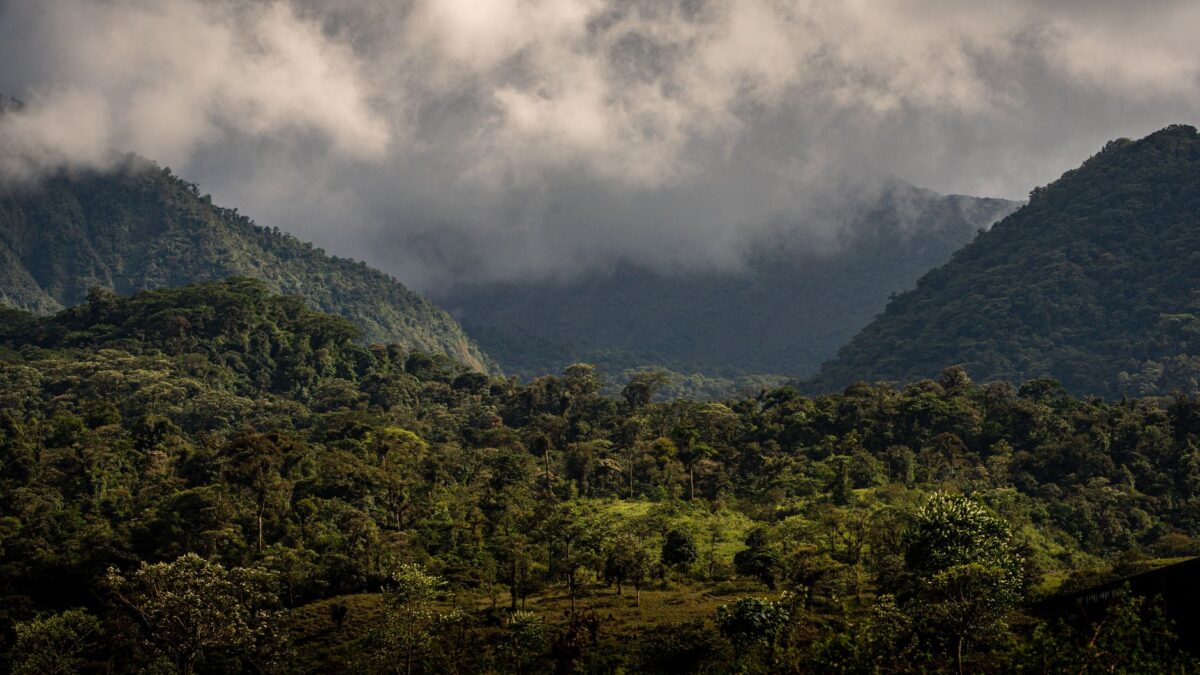
There is a specific kind of magic in San José when the afternoon sky turns that bruised purple-grey, and the first heavy drops of rain begin to drum against the corrugated zinc roofs. It is late September, deep in the rainy season, and I am sitting in a soda near the Mercado Central, watching commuters dodge puddles while sipping coffee. The air feels warm—around 27°C even if the thermometer reads a cooler 18–23°C—and there is a buzz in the streets. This is not just weather; it is the rhythm of life here. Many travelers think Costa Rica is only about dry-season sun, but knowing when to visit means understanding these shifts. Whether you want to chase festivals, save money, or avoid the crowds, your ideal month depends entirely on what you are willing to trade.
The Dry Season: Peak Crowds and Higher Prices
From December through April, the country basks in what locals call verano, despite it being our winter. This is peak season. The skies are relentlessly blue, the roads are clear, and national parks like Manuel Antonio are packed. If you love guaranteed sunshine for hiking or surfing, this is your window. However, you pay for it in two ways: price and patience.
Accommodation rates soar, and rental cars sell out months in advance. You will find yourself competing with other tourists for the best sunset spots. But the trade-off is reliability. You can plan trips to the cloud forests without worrying about landslides closing Route 32 to Limón, which happens frequently during the rains. If you travel in these months, book early. The crowds are real, but so is the vibrant energy of a fully active tourism sector.
The Green Season: Rain, Renewal, and Local Festivals
May through November brings the invierno. In the Central Valley, like San José, expect daily afternoon thunderstorms. They rarely last all day, but they are intense. Yet, this is when Costa Rica feels most alive culturally. The landscapes turn an impossible emerald green, and the prices drop significantly. Hotels often slash rates by 30% or more, and flights become cheaper. This is the best time for budget-conscious travelers who don’t mind carrying a light rain jacket.
September and October are particularly rich for cultural immersion. Right now, for instance, Barrio Escalante is hosting its Chinese Food Festival, where twelve District G restaurants serve special Huaiyang-style dishes. You can even join free culture workshops, like a paper-cutting class at Hoja de Plátano. Throughout the city, the 28th Festival Flores de la Diáspora Africana is running, culminating in a concert at the Teatro Nacional featuring US saxophonist Greg Osby. These events happen year-round, but in the green season, they feel less like tourist attractions and more like community gatherings.
Navigating Infrastructure and Costs
Traveling in the rainy season requires flexibility. Roads like Route 32 often face closures due to landslides, sending traffic onto detours via Turrialba. If you rent a car, allow extra time for journeys. But the savings in accommodation and food make up for it. A modest one-bedroom flat in San José rents for around 264,000 CRC (about $510) monthly, making long stays affordable. Daily costs remain low: a classic casado lunch at a downtown soda runs between 2,000 and 3,500 CRC (roughly $5), including rice, beans, protein, and plantain. Even a bowl of mondongo at Soda Manantial in the Mercado Borbón costs just 1,500 CRC (about $2.90).
The Shoulder Months: Balancing Weather and Value
April/May and November/December offer a sweet spot. The rains have either just started or are winding down, meaning fewer crowds than peak season but better road conditions than mid-wet season. Prices are moderate, and the weather is generally pleasant. This is ideal for visiting volcanoes like Poás or Irazú, where clouds might obscure views in full rainy season but heat haze dominates in summer.
Pragmatic Tips for Your Visit
Regardless of when you come, practical knowledge helps. Public buses cost only about 385 CRC (approx. $0.7) per ride within San José, paid in cash to the conductor. Uber is widely used and safer than walking alone in downtown areas after dark. For dining, explore Barrio Escalante’s Paseo Gastronómico La Luz strip along Calle 33 for craft beer and specialty coffee, or stick to the historic Centro for pre-Columbian jade at the Museo del Jade. Remember, many nationalities enter visa-free for up to 90 days, but ensure you have proof of onward travel. Embrace the rain—it’s part of the charm.
Frequently asked questions
What is the cheapest time to visit Costa Rica?
The green season from May to November offers the lowest prices for accommodations and flights. Late September and October see significant discounts, though you must be prepared for daily afternoon rains.
Is it safe to drive in Costa Rica during the rainy season?
Driving is possible but requires caution. Landslides frequently close highways like Route 32 to Limón. Allow extra travel time and check local road reports before long journeys.
How much does a typical meal cost in San José?
A casual casado at a local soda costs between 2,000 and 3,500 CRC (about $5). Mid-range restaurants run around 10,000 CRC (approx. $19) per person.
Do I need a visa to visit Costa Rica as a tourist?
Most tourists from the US, Canada, UK, and EU do not need a visa for stays up to 90 days. You must have a valid passport, proof of onward travel, and evidence of sufficient funds.


