The best time to visit Croatia
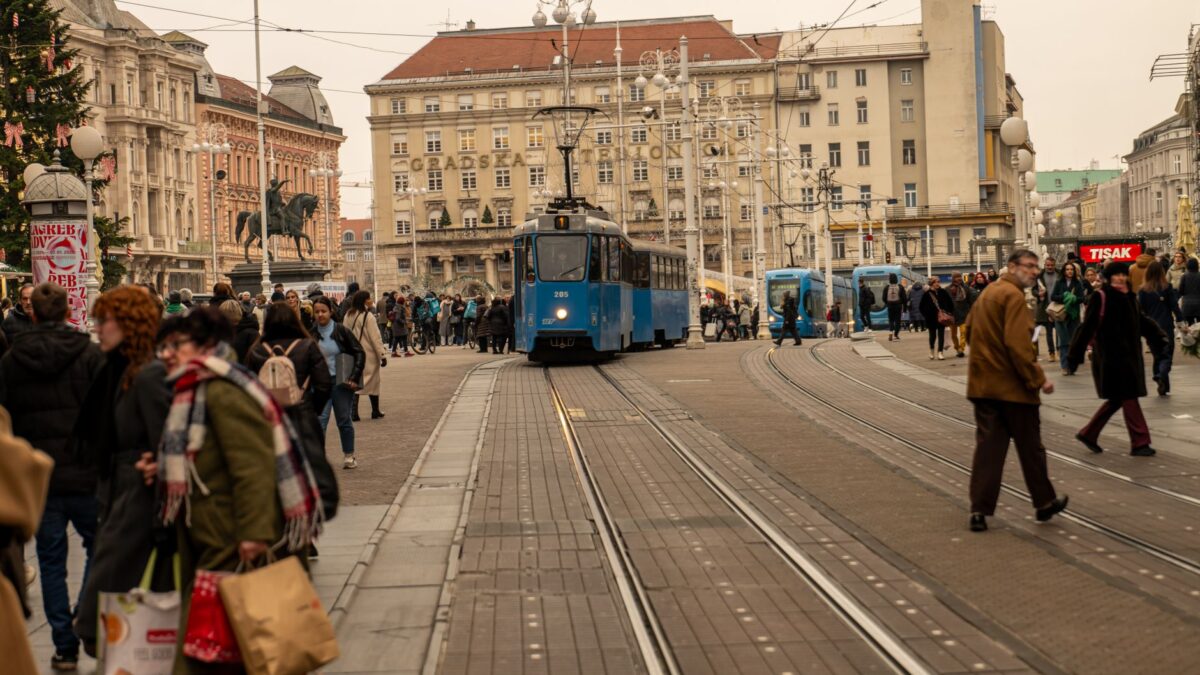
There’s a particular moment in late August when Zagreb exhales. The holiday lull that grips the city in July – when half of your friends are on the Adriatic and the tram to the airport is fuller than the one to the centre – finally breaks. The markets at Dolac fill with fresh figs, table grapes, and boiled corn. The last summer weekends are packed with street festivals, outdoor concerts, and evening warmth that lingers until the streetlights on Ilica flicker on. If you time it right, you can feel the city waking up.
But that’s just one month. Croatia is a country of seasons, and Zagreb – its inland heart – has a rhythm that’s different from the coast. Whether you want the buzz of open-air dance parties or the quiet of a snow-covered Mirogoj, here’s how to choose your moment.
Spring (March–May): Mild walks and café terraces
Spring in Zagreb is a slow unfurling. The winter grey gives way to pale sunshine, and the café terraces around Ban Jelačić Square and Zrinjevac fill with people doing the most important Zagreb activity: drinking coffee. The cappuccino at a central café runs about €2.30 – cheap enough to sit for an hour and watch the city go by.
March can still be chilly, with mornings that bite, but April and May are sweet spots. Crowds are thin – you’ll have the Upper Town’s cobbled streets almost to yourself. Prices for accommodation are lower than summer: a mid-range hotel near the centre goes for about €100–€180 a night, often less if you book ahead. The weather is unpredictable, so pack layers.
Festivals are quieter, but the Museum of Broken Relationships (€7 entry) is always open, and the Stone Gate – a 13th-century chapel tucked into the old city walls – offers a moment of serenity. By May, the Green Horseshoe parks are in full bloom, and the Zagreb 360 observation deck gives you a panorama that stretches to the Medvednica massif, still snow-dusted at the Sljeme summit.
Summer (June–August): Festivals, lake life, and late nights
Summer is Zagreb’s most vibrant season. The city leans into its outdoor life. Jarun Lake becomes the city’s beach – you can swim, sail, or just lie on the grass with a picnic from Dolac Market. The INmusic Festival on Jarun draws international headliners in late June, but even if you miss that, the open-air Dance Party at Zrinjevac Park runs every Friday and Saturday from late July to the end of August at the 1891 Music Pavilion. The 28 August edition pairs an English-waltz workshop with a Šleper Šlager concert – gloriously eccentric.
Late August is the peak of the festival season. The Okolo public-art festival (20–30 August) scatters contemporary installations across central Zagreb, from the Zelena potkova squares to the entrance of Tunel Grič. The Amadeo Summer Stage returns to the Croatian Natural History Museum in the Upper Town with chamber and jazz evenings. And the Summer at the Zagreb Fair opens 28 August with tribute concerts – Metallica, Nirvana, Guns N’ Roses, Beyoncé – but for the first time after three free editions, it introduces tickets.
If you have time, take a day trip to Vrbovec, about 30 kilometres east, for the 45th ‘What Our Ancestors Ate’ festival (28–30 August) – a celebration of continental Croatian food that will fill you with štrukli and cabbage rolls.
Summer is also the most expensive season. Rents for a modest one-bedroom flat average around €770 in the centre, so even a short-term rental will strain the budget. Expect crowds at the big sights – but if you stay in Trešnjevka, away from the tourist core, you’ll find the real Zagreb: second-hand shops, record stores, and a huge food market where a local beer costs €1.30 in the supermarket.
Autumn (September–November): Golden light and savoury comfort
September is my secret recommendation. The crowds thin, the heat moderates, and the light turns that honeyed colour that makes photographers weep. The Amadeo Summer Stage continues into mid-September, but the vibe shifts to a more local, slower pace. This is when Zagreb’s café culture deepens – you’ll see friends meeting at Quahwa or Cogito Coffee Shop for a long catch-up over a Cappuccino that costs about €2.30.
October is for food. The markets are heavy with apples, walnuts, and pumpkins. A meal at an inexpensive local place (the gablec or marendi lunch) runs between €9 and €13 – you’ll eat like a king on a budget. For a slightly fancier dinner, a mid-range restaurant per person costs about €18–€28, and the portions are generous.
Autumn is also the best time for hiking in Medvednica Nature Park. The cable car to Sljeme (1,035 m) operates year-round, but the trail is especially beautiful when the leaves turn. Down in the city, the Maksimir Park – one of Europe’s oldest public parks – becomes a quilt of orange and red. The Zagreb Zoo within it is quieter, and the animals are more active in the cooler weather.
Prices drop in October. Mid-range hotels can fall below €100, and you’ll often have the museums to yourself – the Video Game History Museum or the quirky HaHaHouse – Museum of Laughter are great rainy-day options.
Winter (December–February): Christmas magic and snowy mornings
Winter is Zagreb’s grand finale. The Advent in Zagreb has won multiple awards as the best Christmas market in Europe – and for good reason. From late November to early January, the city turns into a wonderland of lights, wooden huts selling mulled wine and grilled sausages, and open-air concerts. The main stages are on Ban Jelačić Square and the Green Horseshoe, but the most atmospheric is the one in Upper Town, where the medieval streets glow with candles.
Prices peak again around Christmas – hotels in the centre can run €150–€200 – and you’ll need to book months ahead. But the magic is worth it. The funicular (one of the world’s shortest) is packed with families going up to Lotrščak Tower to hear the noonday cannon.
January and February are the cheapest months, with hotel rates dropping to about €80–€120. The city is quiet, sometimes snow-blanketed. Mirogoj Cemetery, with its arcaded colonnades, is breathtaking in fresh snow – one of Europe’s most beautiful necropolises, and free to walk. The cathedral, still under restoration since the 2020 earthquake, is a stoic reminder of the city’s resilience.
Inside warmth: the Museum of Contemporary Art (MSU) in Novi Zagreb is a castle of culture, and the Museum of Broken Relationships is even more poignant in winter. Coffee culture reaches its peak – you’ll see people bundled in coats, hands wrapped around cappuccinos at Très Chic café or CHI Specialty Coffee, happy to sit for two hours.
Practicalities that matter year-round
Zagreb is an accessible city, but there are a few things to know. Croatia is in the Schengen Area since January 2023 – US, UK, and other visa-exempt visitors get 90 days in any 180-day period. For longer stays, you’ll need a visa or residence permit. Also, all visitors staying over 30 days must register their address.
Getting around: ZET trams and buses are efficient. A single fare costs €0.53 for 30 minutes, €0.93 for 60, and €1.33 for 90. A day pass is €3.98, and a monthly pass is €41 – very reasonable. Use the Moj ZET app or buy a stored-value card (€1.33 for the card) at Tisak kiosks. Don’t ride without a valid ticket – fines run around €66–€106.
For eating, a local lunch will cost €9–€13, and a beer at a bar is about €3.20. A taxi base fare starts at €2.00 plus €0.80 per km – often not worth it when trams run so well.
And a final note: Zagreb is one of the safest capitals in Europe. The main risk is pickpocketing in tram crowds and around Ban Jelačić Square – keep your wallet in a front pocket and you’ll be fine.
So, when is the best time? If you want festivals and life, come in late August or early September. If you want quiet and low prices, come in January. If you want to eat and hike, come in October. But whatever you choose, Zagreb will welcome you like a local – with a coffee in hand and a story to tell.
Frequently asked questions
What is the best month to visit Zagreb for good weather and fewer crowds?
September or late May. The weather is mild (20–25°C), summer crowds have thinned, and accommodation prices drop compared to July–August.
Is Zagreb expensive to visit?
Not compared to other EU capitals. A meal at a local spot costs €9–13, a cappuccino about €2.30, and a hotel room €100–180. Rents are higher, but everyday costs are reasonable.
When is the Zagreb Advent market?
The Advent market runs from late November to early January, with peak crowds and higher prices. It's consistently rated one of Europe's best Christmas markets.
Are there any festivals in late August in Zagreb?
Yes, many. The Okolo public-art festival (20–30 Aug), Amadeo Summer Stage (from 29 Aug), and the Zagreb Fair tribute concerts (28 Aug–6 Sep) are highlights.
How do I get around Zagreb cheaply?
Use ZET trams. A 30-minute ticket costs €0.53, a day pass €3.98, and a monthly pass €41. Buy tickets at Tisak kiosks or use the Moj ZET app to avoid on-board surcharges.
Things to do in Croatia
 Full-Day Private Boat Tour of Elafiti Island from Dubrovnik
 Private Walks & Storytelling - the best small group tour in Split
 Private Boat Tour to the Elafiti Islands with Atlantic Marine
 Dubrovnik Private Full Day Island Hopping Tour Elaphiti Islands
 GROUP/ PRIVATE Walking History Tour of SPLIT with Daniela
 Adrenaline Quad Safari Tour