

The best time to visit Cuba
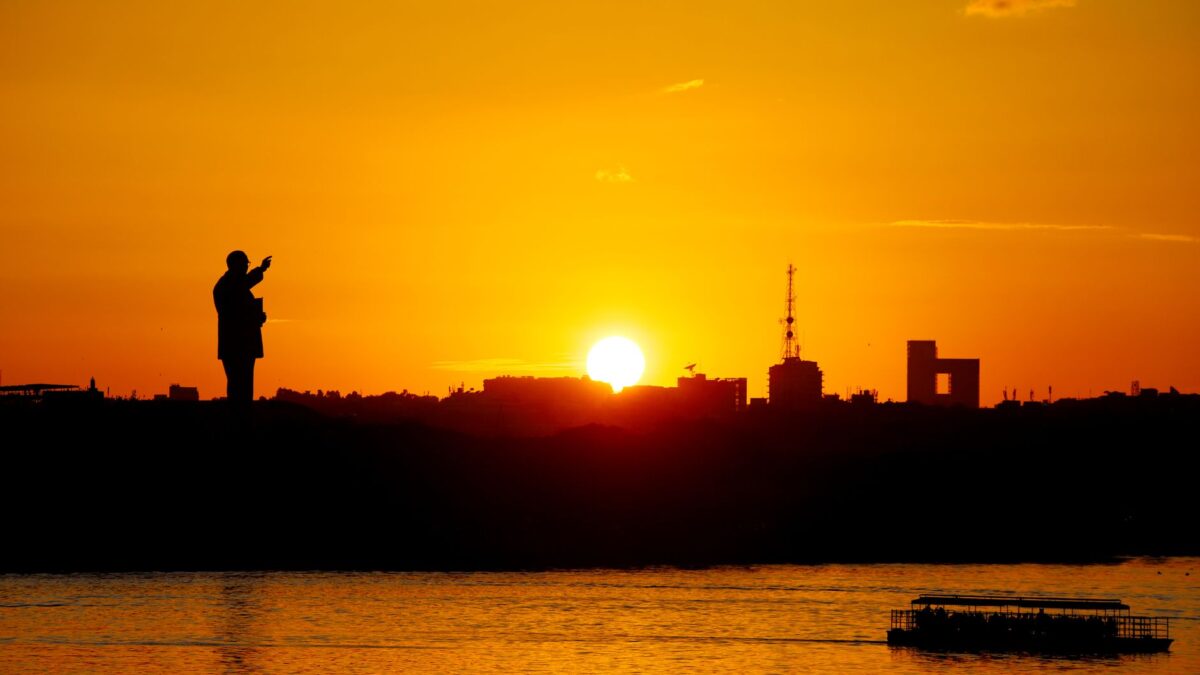
The Malecón is breathing again. In late October, the air loses that heavy, wet blanket of August and September, though you still need to keep an umbrella in your bag. The humidity hovers between 25 and 29°C, but with the feel of 33°C, it sticks to your skin like a second layer. Today, there is a light drizzle—just 1mm over ten hours—but by evening, the wind shifts. You can see tourists and locals alike returning to the seawall, eager for sunset views before the dark comes early. This is the pivot point: the tail end of hurricane season meeting the promise of cooler nights. But to visit now, or any time, you must understand that Cuba is not just a destination; it is a living, breathing entity navigating scarcity, resilience, and vibrant culture simultaneously.
Weather: The Tail End of the Storms
October is a month of transition. You are visiting during the final stretch of the Atlantic hurricane season. While direct hits are rare, the skies remain dramatic, and rain showers can be sudden. However, this is also when the infamous “Nortes” (northerly fronts) begin to make their presence known, bringing slightly fresher air and clearer skies. If you hate heat, wait until December or January. If you love lush, green landscapes and don’t mind occasional downpours, October offers a moody, atmospheric beauty that feels authentically Havana.
Be prepared for long days. The sun rises at 07:32 and sets at 18:53. This means you have ample daylight for exploring the colonial streets, but evenings get dark quickly. With ongoing rolling blackouts affecting water pumping and internet access, plan your digital life accordingly. Charge your power banks daily. The lack of electricity isn’t just an inconvenience; it changes the rhythm of the city. Restaurants close earlier, and the nightlife shifts toward candlelit paladares or venues with generators.
Crowds, Culture, and Calendar Events
Post-summer crowds thin out, leaving you with a more intimate experience of the city. October is not peak tourist season, which means fewer lines at major sites, but it is packed with cultural intensity. For instance, the 15th International Chamber Music Festival brings together 34 ensembles, filling venues like the Teatro Nacional and Casa del Alba with world-class sound. If you are in town around late October, catching Aldo López-Gavilán at Sala Covarrubias is a highlight.
The arts scene is alive. The Ballet Nacional de Cuba celebrates its 78th anniversary with galas at the Teatro Nacional, showcasing the legacy of Alicia Alonso. Meanwhile, in Barrio Chino, you might stumble upon the Escuela Cubana de Wushu y Qigong’s anniversary fair, featuring lion dances and traditional performances. These events ground your visit in reality, showing you a Havana that is deeply proud of its artistic heritage even while grappling with modern challenges. The crowds are manageable, allowing you to sit at Café El Dandy or Tribe Café and watch the city go by without being jostled by tour groups.
Navigating Costs and Currency Realities
You must understand the economic landscape before you book. Cuba unified its currencies in 2021, so the old CUC is gone. You will deal in Cuban Pesos (CUP), where roughly 24 CUP equals one US dollar, though inflation runs high at around 76%. Prices fluctuate rapidly, so treat all figures as estimates rather than fixed rules. A street snack like croquetas might cost about 350 CUP (approx. $15), while a substantial pan con lechón sandwich ranges from 700 to 1,800 CUP depending on size. A plate of ropa vieja at a local eatery could run you 1,700–4,200 CUP.
Dining at a mid-range paladar for two might cost around 8,000 CUP (approx. $330). Transportation varies wildly: a short private taxi ride might be 450–600 CUP, but a cross-town trip via shared colectivo or private car can hit 2,500–5,000 CUP. State-run Cubataxi meters start at about 50 CUP per km, and local buses (gacelas) are incredibly cheap at 5 CUP per segment. Museum entries are modest, around 84–196 CUP. However, remember that for a local family, basics require roughly 96,000 CUP monthly against a minimum wage of 3,210 CUP. Your spending power is significant, but it contributes directly to a strained economy. Carry cash; foreign cards often fail, and ATMs are scarce.
Practicalities: Logistics and Safety
Traveling to Havana requires preparation. Since January 1, 2026, the paper tourist card is obsolete. You must obtain a Cuba e-Visa online via the official portal or third-party providers for about US$50, valid for 90 days. You must also file the free D’Viajeros health form within seven days of arrival. Upon landing at José Martí International Airport, note that fuel shortages have led to NOTAMs restricting refueling, meaning some flights may arrive with technical stops elsewhere or carry extra fuel, potentially stretching schedules.
Safety-wise, Havana is relatively safe from violent crime, but vigilance is key. Watch for jineteros (touts) and ensure you agree on taxi fares before getting in. Bag theft can occur in crowded areas like Parque Central. Regarding movement, there is no metro system. Use the HabanaBusTour for easy navigation, or navigate the complex web of vintage colectivos and cocotaxis. For connectivity, buy a Cubacel Tur SIM at the airport; public Wi-Fi is limited to ETECSA hotspots where you buy NAUTA cards. Set up a VPN before you leave home, as some international sites are blocked.
Finally, acknowledge the political and social context. The city is gripped by current geopolitical tensions and domestic struggles with fuel and power. Yet, the spirit remains unbroken. From the mosaic art of Fusterlandia to the historic strength of Castillo del Morro, Havana invites you to witness its resilience. Come with respect, come with flexibility, and you will find a city that rewards the curious traveler with unforgettable moments of music, history, and human connection.
Frequently asked questions
Do I need a visa to visit Havana in 2026?
Yes. Since January 1, 2026, the paper tourist card is no longer accepted for air travelers. You must obtain a Cuba e-Visa online and file the D'Viajeros health form before arrival.
What is the currency situation in Cuba right now?
The dual currency system ended in 2021. You should use Cuban Pesos (CUP). Cash is king because foreign credit cards rarely work and ATMs are often empty or out of stock.
Is it safe to drive a rental car in Havana?
It is generally discouraged. Legal paperwork is strict, and accidents involving injuries can lead to prolonged detention for drivers. Most visitors rely on taxis, colectivos, or tours instead.
How reliable is internet access in Havana?
Connectivity is limited. You can buy a Cubacel SIM card at the airport, but public Wi-Fi is restricted to specific ETECSA hotspots where you pay hourly. A VPN is recommended before arrival.