

The best time to visit Cyprus
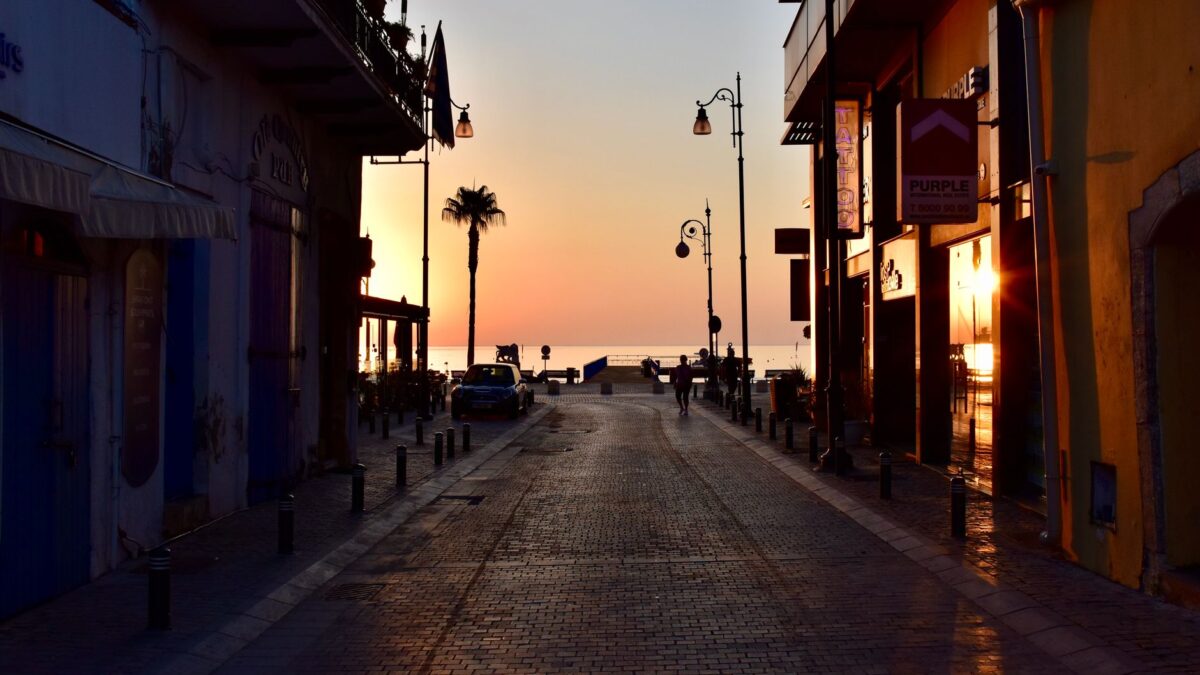
November in Nicosia feels like a held breath released. The relentless July and August heat, which turns the asphalt into a soft trap for bare feet, has finally broken. Rain arrives not as a deluge but as a gentle, necessary rhythm, washing the dust from the Venetian walls and turning the olive groves on the outskirts a deep, glossy green. This is the city’s easy season. The long summer crowds have vanished, leaving behind a pace that allows you to actually hear yourself think while navigating the labyrinth of Laiki Geitonia. If you are planning a trip to Cyprus, late autumn offers a rare gift: the chance to experience the island’s cultural heartbeat without the stifling tourist pressure. You can sit at a café terrace at midday in just a light jacket, then wrap up warm as the clocks go back and the evenings cool. It is the perfect time to learn who this place really is.
Spring: The Awakening (March – May)
Spring is when Cyprus reveals its soul. By March, the rain subsides, and the Troodos mountains still hold patches of snow, contrasting sharply with the wildflowers carpeting the countryside. This is peak festival season. In April, Easter is not just a holiday; it is a national event. You will see processions, smell roasting lamb, and feel the communal joy that defines Cypriot hospitality. The weather is ideal for hiking in the Akamas Peninsula or exploring the Byzantine churches of the Painted Churches region, where temperatures hover around a pleasant 15–20°C. Crowds begin to build in May, especially around Mother’s Day celebrations and the lead-up to summer, so book accommodations early. Prices remain moderate compared to the peak summer months, making it an excellent value period for travelers seeking both nature and culture.
Summer: The High Season (June – September)
Summer in Cyprus is intense. Nicosia, the hottest city on the island, can exceed 40°C, turning the streets into ovens. However, this is the best time for beach lovers. Larnaca’s salt lake, usually dry, may attract flamingos if winter rains were sufficient, though more reliably, the coast comes alive. Limassol and Ayia Napa buzz with energy, offering vibrant nightlife and pristine waters. Be aware that urban bus fares jumped in August 2026, so using a Motion card is significantly cheaper than paying cash. While the heat can be oppressive, the long days allow for late dinners and evening swims. If you visit during this period, embrace the siesta culture; shops close between 13:00 and 17:00, and locals retreat indoors. It is a time of high prices and high energy, best suited for those prepared for the heat and eager for a lively social scene.
Autumn: The Golden Harvest (October – November)
As noted, October and November are my personal favorites. The sea remains warm enough for swimming well into October, while the air cools to a comfortable 20°C. This is harvest time. You will find mandarins, pomegranates, and olives everywhere. Local markets overflow with fresh produce, and tavernas serve dishes made from these seasonal ingredients. In Nicosia, the cultural calendar kicks into gear. The Cyprus Composers’ Centre hosts its New Music Festival, bringing contemporary sounds to ARTos House, while Windcraft Loud celebrates jazz collaborations at Ella Music House. These events highlight the city’s artistic side, often overlooked by tourists focused solely on beaches. Prices drop noticeably after September. A meal at an inexpensive local restaurant costs about €15, and a cappuccino is roughly €3.26. It is a time for slow travel, museum visits, and enjoying the warmth of local communities without the summer rush.
Winter: The Quiet Reflection (December – February)
Winter is quiet, particularly in Nicosia. Temperatures range from 10–15°C, with occasional rain. However, this is the best time for skiing in the Troodos mountains, where Mount Olympus offers reliable snow conditions just an hour away. Coastal towns like Paphos and Limassol remain mild and welcoming, with fewer tourists and lower accommodation rates. Museums and galleries, such as the Cyprus Museum and NiMAC, offer a cozy refuge from the chill. Note that some rural businesses may close for extended periods, so plan your dining and activities accordingly. Despite the cooler weather, the spirit of hospitality remains strong. You might join locals for hearty stews and wine in traditional tavernas, experiencing the authentic rhythm of island life. Winter is ideal for introspection, cultural immersion, and those who prefer a serene atmosphere over bustling beaches.
Practical Tips for Every Season
- Transport: Use the Motion Bus Card for significant savings. Single tickets are €2.00 with the card versus €2.70 cash. Night single fares are €3.50 on the card. Download the Pame app for real-time updates.
- Visas: Cyprus is in the EU but not Schengen. Visa-required nationals must apply for a Cyprus visa, but holders of valid double- or multiple-entry Schengen visas can enter. Larnaca International Airport is the main gateway.
- Safety: Street crime is low. Exercise caution near the Green Line buffer zone. Crossing to north Nicosia via Ledra Street requires your passport at both checkpoints.
- Dining: Budget around €15 for a meal at a local taverna. A mid-range dinner for two with three courses costs approximately €60. Try Piatsa Gourounaki or Fisa & Masa Tavern for authentic flavors.
- Accommodation: Nicosia rents are rising, with a central one-bedroom flat averaging €720 monthly. For short stays, consider boutique hotels like Madama Residence or Almond Business Hotel.
Choosing the right time to visit Cyprus depends on what you seek. Spring for flowers and festivals, summer for sun and sea, autumn for harvest and culture, or winter for mountains and peace. Each season offers a unique lens through which to view this ancient island. Pack accordingly, respect local customs, and let the rhythm of Cyprus guide your journey.
Frequently asked questions
What is the cheapest month to visit Cyprus?
Winter months, particularly January and February, offer the lowest prices for accommodation and flights, except in ski resorts. Summer is the most expensive due to high demand.
Is it safe to travel to Cyprus during the winter?
Yes, Cyprus is very safe year-round. Winter brings cooler temperatures and rain, but coastal areas remain mild. Skiing in the Troodos mountains is a popular winter activity.
Do I need a visa to visit Cyprus if I have a Schengen visa?
If you hold a valid double- or multiple-entry Schengen visa, you can enter Cyprus. However, Cyprus is not part of the Schengen area, so check specific visa requirements based on your nationality.
What are the best festivals to attend in Cyprus?
Key events include Easter celebrations in April, the Wine Festival in Paphos (September), and the Caravans Festival in Limassol (August). Cultural festivals like the New Music Festival occur in Nicosia in autumn.
How much does a meal cost in Cyprus?
An inexpensive local restaurant meal costs around €15. A mid-range dinner for two with three courses is approximately €60. Coffee and beer are also reasonably priced, with a cappuccino around €3.26.
Things to do in Cyprus
 Local Guided Dives (for certified/licensed divers)
 Zenobia wreck dives - CERTIFIED DIVERS ONLY!
 Likely to sell out
Cyprus: Mt. Olympus, Troodos Mountains, Monasteries from Paphos
 Scuba Diving Experience (10+ Years) AND Free Edited Video
 Discover Scuba Diving
 Private Jeep Safari Bath of Aphrodite including Adonis Waterfalls