

The best time to visit Ethiopia
The air in Addis Ababa right now has that specific late-November bite to it. It is the bega season—dry, sunny, and hazy with dust kicked up by the endless construction tearing up the city’s arteries. The morning chill lingers until about 10 a.m., when the highland sun hits hard, warming the eucalyptus ridges of Entoto and baking the streets of Bole. If you are planning your trip, this is not just a matter of picking a month; it is about choosing which rhythm of life you want to step into. Ethiopia moves at its own pace, dictated by rain, harvest, and the pulse of its calendar. Here is how to time your visit so you catch the magic, not the mud.
The Dry Season: Highs, Crowds, and the Coffee Harvest (October to March)
This is the peak window for most travelers, and for good reason. The rains have stopped, leaving the landscape painted in vibrant greens and the sky a piercing blue. For you, this means clear visibility for hiking the Simien Mountains or driving down to the Danakil Depression without roads turning to soup. In Addis, the weather is pleasant—typically hovering between 10°C and 23°C during the day—but the evenings can drop sharply. Pack layers.
However, ‘peak’ comes with a price. This is when the international conference circuit hits its stride. With Addis as the diplomatic capital of Africa, housing near the African Union headquarters and the UN Economic Commission for Africa fills up fast. You will see delegates flooding into the Sheraton, Hyatt, and Radisson Blu complexes. If you travel in February, brace yourself for the AU Summit, which can double accommodation prices and make taxi availability a nightmare. Even outside major summits, hotels in the Bole district often require bookings weeks in advance.
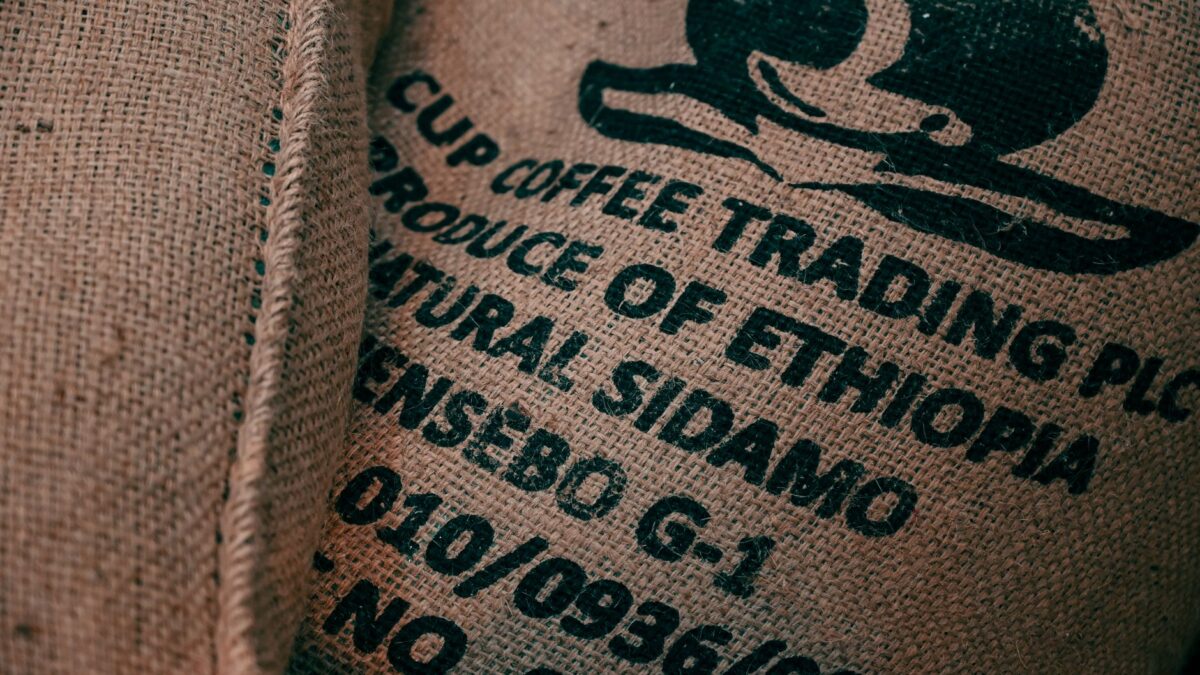
Financially, you need to be prepared for inflation. Prices in the local currency, the birr (ETB), are climbing. A meal at an inexpensive local restaurant might cost around 600 ETB (about $11), while a mid-range dinner runs closer to 1,500 ETB ($27). Rent for even modest flats has jumped roughly 15% year-on-year, with some landlords now quoting directly in USD. While you are here, embrace the coffee culture. The new harvest is hitting the market now, meaning fresh buna is everywhere. A cup at a café like Tomoca in Piassa or YeGesha Specialty Cafe costs around 145 ETB ($2.70)—a small price for the best brew in the world.
The Rainy Season: Green Landscapes and Local Life (June to September)
In Ethiopia, we call this Kiremt. To many Western tourists, this is the ‘off-season,’ but if you are willing to navigate afternoon showers, you unlock a different Ethiopia. The highlands turn lush emerald, the light is soft and diffuse, and the crowds vanish. Hotels in Addis and regional towns become significantly cheaper, and you can secure last-minute bookings with ease.
The trade-off is logistics. Roads to remote sites like Lalibela or Axum can be treacherous, and hiking trails in the Simiens may be slippery and muddy. However, the cultural immersion is deeper. You will see locals drying crops on rooftops and enjoying the break from the dry heat. Food prices remain stable, though transport costs can spike due to fuel shortages or road repairs. A short taxi ride across town might still run 80–250 ETB ($3), but wait times increase. Public transport via the Anbessa buses or minibuses remains incredibly cheap—a single ride on the Addis Light Rail costs only 10–20 ETB ($0.30)—but expect it to be crowded and wet.
If you visit during this time, stay in the leafy Old Airport/Sarbet district or the residential hubs of Gerji and Megenagna. These areas are less prone to the severe flooding that sometimes hits lower-lying parts of the city center. It is also a great time to explore the National Museum to see Lucy, where entry for foreign visitors is a mere 190 ETB ($3). The museums are quiet, allowing you to truly absorb the archaeological weight of the place without jostling for space.
Festivals: When the City Stops for Celebration
Timing your visit around Ethiopian festivals offers an unforgettable experience, but it requires flexibility. The biggest event on the calendar is Meskel (September 27th), celebrating the finding of the True Cross. The city erupts in color. The centerpiece is the Demera, a massive bonfire lit days earlier. On the day itself, millions gather in Meskel Square. Traffic in the Kirkos district grinds to a halt, and the energy is electric. Accommodation in central Addis sells out months in advance, and prices surge. If you want to attend, book early and expect to walk rather than drive.
Another major moment is Timkat (Epiphany), usually in January or February. This is a vibrant, multi-day celebration of baptism held in open fields, most notably at Meskel Square in Addis or in Gondar. The priests carry the Tabot (replicas of the Ark of the Covenant) in procession, dressed in white, surrounded by chanting choirs and waving flags. The weather is cool and crisp, perfect for outdoor viewing, but the crowds are immense. Hotels in Addis fill quickly, and you must arrive early to secure a good viewing spot. It is a spiritual highlight, but logistically challenging.
For something more modern, look out for The Great Ethiopian Run. Taking over the streets around Meskel Square, this 10km race attracts roughly 60,000 runners. It closes the city center from early morning, transforming the urban landscape into a parade of community spirit. It is a fantastic way to see the city awake and active, though you should avoid driving through the area on race day unless you are participating.
Practical Timing Tips for the Smart Traveler
Beyond seasons, there are daily rhythms and bureaucratic realities to consider. Addis is a city of checkpoints and construction. The current urban corridor project is reshaping key axes like Bole Medhanialem and Golagul, meaning tearing up and rebuilding busy routes. Expect dust and delays, especially during the dry season when work progresses rapidly. Plan your sightseeing for the mornings; afternoons are best spent indoors in cafes or museums.
Visa processing takes about three working days for the e-Visa, which costs USD 62 for 30 days. Do not leave this to the last minute. If you are staying longer, remember that all foreign nationals must register with the Immigration and Citizenship Service within 30 days. Failure to do so results in daily fines that escalate quickly. Keep your passport and registration papers handy, as police checks are common.
Transport-wise, rely on ride-hailing apps like Ride or Feres for safety and convenience, especially after dark. The Light Rail is efficient for north-south travel along the main axis, but it does not cover the whole city. Minibuses are cheap but confusing for newcomers. A monthly public transport pass costs around 2,200 ETB ($40), but buying individual tickets is easier for short stays.
Finally, manage your money wisely. Cash is king. International cards often fail due to connectivity issues. Withdraw birr from ATMs at major banks like Commercial Bank of Ethiopia or Dashen Bank. Carry small denominations for markets and tips. If you are looking for a bargain, street snacks like sambusa cost only 20–30 ETB ($0.50) each, and a plate of beyaynetu (vegetarian platter) is about 250–400 ETB ($6). Eat where the locals eat—it is safer, fresher, and far cheaper.
Frequently asked questions
What is the best month to visit Ethiopia for weather?
October to March is generally considered the best time, offering dry, sunny days with comfortable temperatures between 10°C and 23°C in Addis Ababa. June to September brings heavy rains, making travel harder but landscapes greener.
How much does a meal cost in Ethiopia in 2026?
Expect to pay around 600 ETB ($11) for an inexpensive local meal and 1,500 ETB ($27) for mid-range dining. Street food like sambusa is very cheap, around 20–30 ETB ($0.50).
When are the major festivals in Ethiopia?
The two biggest are Meskel in late September and Timkat (Epiphany) in January or February. Both involve massive celebrations in Addis Ababa and other cities, filling hotels and closing streets.
Do I need a visa for Ethiopia?
Most tourists need an e-Visa applied for online at evisa.gov.et. It costs USD 62 for 30 days and is processed in about 3 working days. Visa on arrival is available at Bole Airport for eligible nationalities.
Is it safe to travel in Addis Ababa right now?
Addis Ababa is generally calm and heavily secured, but there is visible construction and political tension in surrounding regions. Stick to known districts like Bole, Piassa, and Kazanchis, and use ride-hailing apps for night travel.
Things to do in Ethiopia
 Omo Valley Tours from Jinka
 Addis Ababa- Guided city tour with museum and market
 Addis Ababa City Tours Full Day With Hotel Pickup And Drop Off.
 Addis Ababa: Customizable Food, Markets, Coffee & Culture Tour
 Discover Addis Ababa:Museums,Churche,Markets,Landmarks & Coffee
 3-Day Arba Minch & Konso: Culture, Wildlife & Local Tour