
The best time to visit Germany
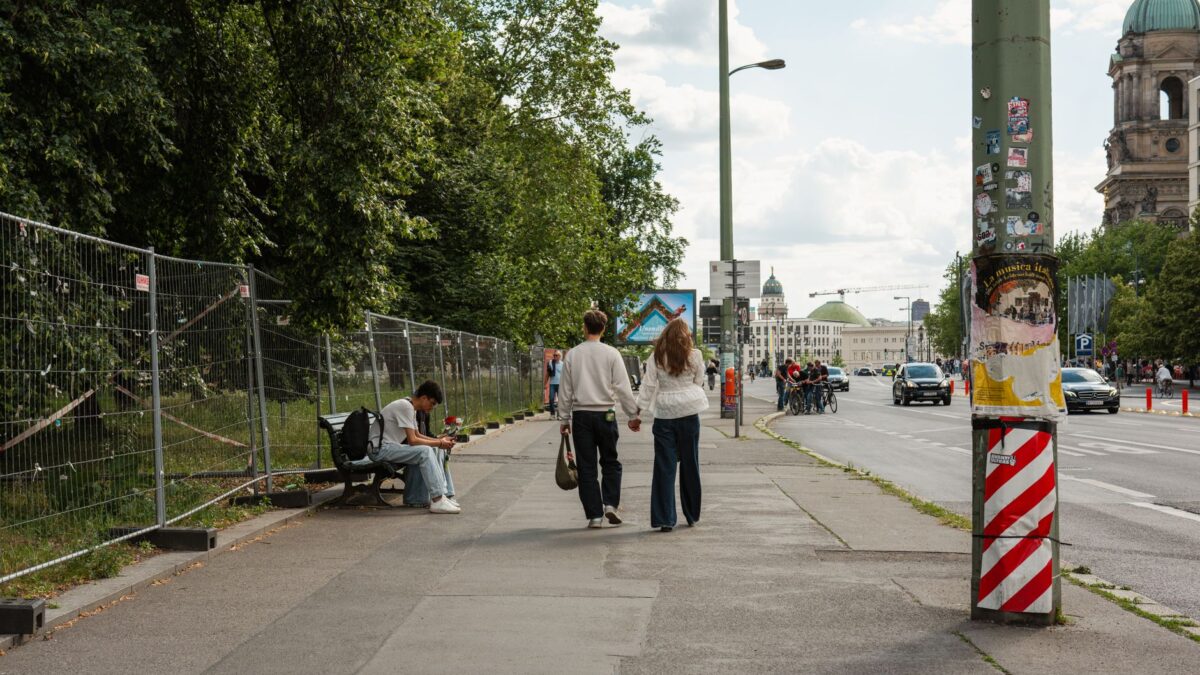
October in Berlin feels like the city is holding its breath. The air turns crisp, the light slants low over the spires of Museum Island, and suddenly, the grey dampness of winter isn’t just a forecast—it’s a texture you can feel on your skin. I’m writing this from a café in Mitte, watching the leaves fall in the Tiergarten, with a cup of coffee that costs around €3.80. It’s the perfect time to be here, but only if you know how to navigate the shift from summer tourism to autumn introspection. Whether you are chasing the golden hour at the Brandenburg Gate or hunting for the best Currywurst in Kreuzberg, picking the right month changes everything.
The Autumn Turn: September and October
If you want to experience Berlin as it truly is—without the sweltering heat or the peak-season crowds—early autumn is your sweet spot. We are currently living through this exact moment. The weather hovers between 12–17°C, often with light rain that makes the cobblestones glisten under the streetlamps. But don’t let the grey fool you; this is one of the most vibrant times of year culturally.
In early October, the city transforms into an open-air gallery. Right now, Kunstwoche der Kommunalen Galerien is happening, where 36 municipal galleries across the city offer 44 free exhibitions by over 150 artists. You can start with the opening party at ACUD in Mitte and then hop on the free guided bus, U-Bahn, and tram tours to hit the rest. If contemporary music is your thing, ENSEMBLEFEST Berlin is launching its 10th ‘Monat der zeitgenössischen Musik,’ featuring 15 ensembles playing concerts at the disused CANK department store in Neukölln before spreading out citywide.
Foodies should note that Berlin Food Week brings around 40 producers to Bikini Berlin (the market runs 9–10 October), while the Erntefest at Domäne Dahlem offers pumpkin picking and historic machinery displays. Locals are already swapping summer salads for chestnut dishes and seeking out Federweißer—the partly fermented new wine that signals the season has officially turned. Prices for accommodation drop slightly after August, so you might find a mid-range hotel or guesthouse for around €120 per night, including breakfast.
Winter Coziness: November to February
Germany is famous for its Christmas markets, but waiting until December means braving temperatures that can dip well below freezing. However, if you visit in January or February, you escape the tourist rush entirely. This is when Berliners retreat into their Gemütlichkeit—a word that roughly translates to cozy comfort. You’ll spend more time in museums and cafés than on the streets.
This is a great time to explore the indoor marvels of Museum Island, a UNESCO site housing the Pergamonmuseum and the Neues Museum, where you can see the bust of Nefertiti. For a break from the art, grab a Döner kebab—associated heavily with Kreuzberg’s immigrant history—for about €7, or try a Currywurst for roughly €4.50. These street snacks are cheap, filling, and essential cultural experiences regardless of the weather.
Housing costs remain high year-round, with modest one-bedroom flats in the city centre renting for around €1,340 a month, but as a visitor, you’re insulated from this burden. Transit is efficient; a single ticket for the Berlin AB zone is about €4.00, though many travelers opt for the Deutschlandticket at €63 per month if they are staying longer, which covers all local and regional transport nationwide.
Spring Awakening: March to May
Spring in Germany is unpredictable. March can still feel like winter, but by April and May, the parks explode with color. This is the best time for walking tours. The Tiergarten becomes a lush green lung in the center of the city, and the Tempelhofer Feld—the vast former airport runway—is perfect for cycling or flying kites.
Festivals begin to pop up, and the energy returns to the streets. If you time it right, you can catch the early blooms at Viktoriapark in Kreuzberg, which sits on a hill with a waterfall and great views of the city. Accommodation prices start to creep up as European tourists arrive, so booking in advance is wise. A 24-hour transit ticket costs around €11.20, making it easy to hop between districts like Prenzlauer Berg’s leafy cafes and Friedrichshain’s gritty industrial charm without breaking the bank.
Summer Energy: June to August
Summer is Berlin at its loudest and brightest. The city comes alive with outdoor bars, beach clubs on the Spree, and massive festivals. However, it is also the most expensive and crowded time to visit. Hotels can spike in price, and popular spots like the East Side Gallery will be packed.
If you come in summer, embrace the nightlife. Berlin’s techno scene is legendary, recognized by UNESCO as intangible cultural heritage. Clubs like Berghain and Watergate are institutions, but the real magic is often in the smaller venues in Neukölln or Friedrichshain. Be prepared for heatwaves; the concrete city retains warmth long into the night. For a quieter escape, head west to Wannsee in the Grunewald forest, where locals swim and sunbathe. Remember, public transport runs late on weekends, so use your monthly pass or single tickets wisely.
Practical Tips for Every Season
Regardless of when you visit, Berlin requires some logistical savvy. First, visa rules: Germany is in the Schengen area. US, UK, Canadian, and Australian nationals get 90 days visa-free, but always check the status of the EU’s ETIAS pre-travel authorization before booking. If you plan to stay longer or move, the Anmeldung (address registration) is critical—you must register within 14 days of moving in at a Bürgeramt, bringing your passport and a landlord confirmation form.
For banking, digital-first options like N26 (Berlin-based) or Revolut are popular among newcomers, requiring less bureaucracy than traditional banks like Deutsche Bank or Berliner Sparkasse. For getting around, the VBB network is extensive. If you are only visiting for a few days, stick to single or 24-hour tickets. If you are there for a month, the Deutschlandticket at €63 is unbeatable value. And finally, don’t miss the food: try the Königsberger Klopse or a Berliner Weisse served ‘mit Schuss’ (with raspberry or woodruff syrup) at a local brewery. Berlin rewards those who look beyond the guidebooks.
Frequently asked questions
What is the best month to visit Berlin for festivals?
Early autumn, specifically October, is ideal for cultural festivals like Kunstwoche der Kommunalen Galerien and Berlin Food Week, offering free exhibitions and markets with fewer tourists than summer.
How much does public transport cost in Berlin?
A single ticket in the Berlin AB zone is around €4.00, while a 24-hour ticket is approximately €11.20. The nationwide Deutschlandticket costs €63 per month for unlimited local and regional travel.
Is Berlin expensive compared to other European cities?
Berlin is mid-range for Western Europe. While rent is high (around €1,340/month centrally), daily costs for visitors are manageable, with meals like Currywurst costing ~€4.50 and hotels averaging ~€120/night outside peak seasons.
Do I need a visa to visit Germany for tourism?
Nationals from the US, UK, Canada, Japan, and Australia can visit visa-free for up to 90 days within any 180-day period under Schengen rules, but you should check ETIAS requirements before traveling.
What are the top neighborhoods to explore in Berlin?
Key areas include Mitte for historic landmarks like the Brandenburg Gate, Kreuzberg for counter-culture and street food, Prenzlauer Berg for family-friendly cafes, and Friedrichshain for nightlife and the East Side Gallery.
Things to do in Germany
 Special offer
Neuschwanstein & Linderhof Castle Luxury Private Tour from Munich
Special offer
Neuschwanstein & Linderhof Castle Luxury Private Tour from Munich
 5hours: Guide, Chauffeur & Photographer in Berlin private Tour
 Bodyflying & Indoor Skydiving at FlyStation Munich
 Likely to sell out
Alsace wine tour and medieval villages. Small group guided tour
Likely to sell out
Alsace wine tour and medieval villages. Small group guided tour
 2 hours Segway Elbe Mini Tour
 Special offer
Third Reich Walking Tour Munich - Nazi Origins - Max.16 per group
Special offer
Third Reich Walking Tour Munich - Nazi Origins - Max.16 per group