

The best time to visit Hungary
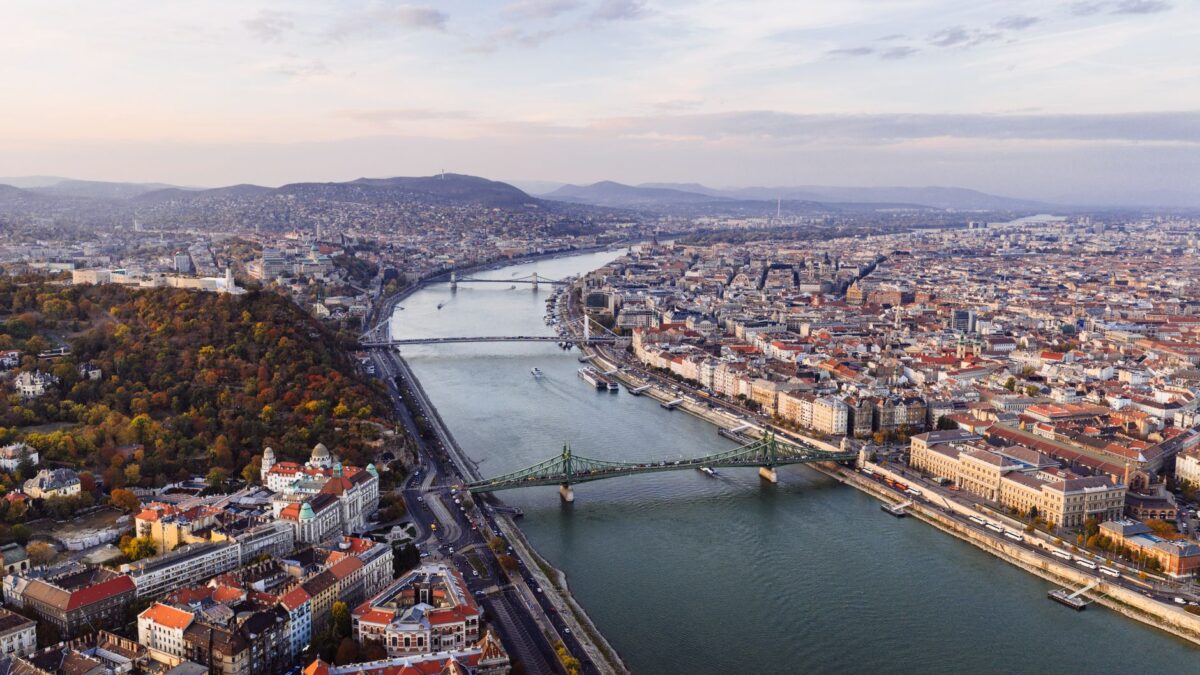
There is a specific quality to the air in Budapest in early October—a crisp, golden stillness that settles over the Danube just as the summer crowds retreat. I remember standing on the Pest side of the chain bridge last month, watching the fog lift off the water while the Parliament Building glowed in the morning light. It was one of those moments that reminded me why this city has held my heart for decades. But Hungary is more than just its capital; it is a country of stark seasonal shifts, from the snow-dusted peaks of the Mátra mountains to the sun-baked vineyards of Tokaj. Choosing when to visit depends entirely on what kind of rhythm you want your trip to have.
The Golden Window: Spring and Autumn
If you are looking for the sweet spot between manageable weather and reasonable prices, aim for May or September through October. In spring, the city wakes up. The tulips bloom in Városliget (City Park), and the temperature climbs comfortably into the teens and low twenties Celsius. By autumn, the heat breaks, leaving clear skies and crisp evenings perfect for walking along the riverbanks without breaking a sweat. This is also when the local life returns to the streets after the August lull.
During these shoulder seasons, accommodation prices drop slightly compared to the July-August peak, though they remain higher than in winter. You might find a modest one-bedroom flat rent in outer districts like Zugló hovering around 180,000 HUF per month if you were staying long-term, but for tourists, hotel rates reflect the high demand. The best value? A weekday ‘napi menü’ at a local canteen. For about 2,500–3,500 HUF (roughly $8 USD), you get a hearty two-course lunch that fuels you for the day’s sightseeing. It is here, in District VII – Erzsébetváros, that you can explore the Jewish Quarter’s ruin bars, like the legendary Szimpla Kert, which feels intimate rather than overwhelming in the cooler months.
The Summer Peak: Heat, Festivals, and Crowds
July and August bring intense heat, often pushing temperatures above 30°C. This is festival season. The Sziget Festival on Óbudai-sziget transforms the island into a massive music and cultural hub, drawing hundreds of thousands of visitors. While the energy is electric, the crowds are dense, and prices for flights and hotels surge. If you visit then, embrace the thermal baths. The Széchenyi Thermal Bath, with its neo-Baroque pools, is a lifesaver. Entry costs around 5,000–6,000 HUF ($15 USD), offering a chance to cool down in the outdoor pools while watching locals play chess under the open sky.
Dining out in summer is vibrant but expensive. A mid-range restaurant meal for two, three courses without drinks, can run 15,000–22,000 HUF ($50 USD). Stick to street food to save money and experience authentic flavors. Grab a lángos from a stall near the Great Market Hall for 800–1,500 HUF ($3 USD), or try a kürtőskalács (chimney cake) for about 1,000–2,500 HUF. Remember, a single transit ticket is now 500 HUF, so consider the monthly pass at 8,950 HUF if you plan extensive travel, even for short stays, as it covers unlimited rides on the metro, trams, and buses within the city limits.
The Quiet Winter: Lights, Markets, and Cold Truths
December brings a different magic. The Christmas markets, particularly the one at Vörösmarty tér and the larger one at the Basilica square, are enchanting. The air smells of mulled wine and roasted chestnuts. However, be prepared for cold. Temperatures can drop below freezing, and the days are short, with daylight lasting only from roughly 06:42 to 18:23 in winter. This is the low season for tourism, meaning fewer queues at major sites like the Hungarian Parliament Building, where timed guided tours are mandatory.
Winter is also the cheapest time to book accommodation, though not always the cheapest to eat out due to holiday surcharges. A cappuccino at a café like New York Café will cost about 1,000 HUF ($2.7 USD), a small price for the opulent surroundings. If you venture out to the Buda Hills in District II, you might find trails closed by snow, but the view from János Hill is starkly beautiful. Be mindful of safety: pickpocketing is more common in crowded tourist areas during the holidays, and unlicensed taxis can be predatory. Always use licensed services like Főtaxi or the Bolt app.
Practicalities: Currency, Costs, and Getting Around
Hungary uses the forint (HUF), not the Euro. While some tourist spots may quote in Euros, the change will likely be in forints at a poor rate. As of recent data, the exchange rate hovers around 365.69 HUF per US dollar. Inflation is around 4.4%, and prices have been climbing; rents rose 15–20% since 2023, and single transit tickets increased to 500 HUF in June 2025. Despite this, Budapest remains far cheaper than Western Europe.
For transportation, the operator is BKK. The BudapestGO app is essential for buying and validating tickets via QR code. Fines for riding without a valid ticket are steep, ranging from 10,000–25,000 HUF. Tram 4–6 runs 24/7 along the Grand Boulevard, a handy feature for late-night returns from District VII. If you are staying longer, note that new residents must register their address within 3 working days at a kormányablak, obtaining a lakcímkártya which unlocks banking and SIM cards. Banks like OTP or Erste offer English service, and SIM cards from Yettel or Vodafone are easily available for non-EU citizens.
Festivals and Cultural Rhythms
Beyond the seasons, Hungary’s calendar is punctuated by events that define the local mood. March marks the anniversary of the 1848 revolution, with commemorations at the National Museum. May sees the birth of modern Budapest’s spirit in various cultural festivals. Autumn brings wine harvest celebrations in regions like Villány and Eger. In the capital, the arts scene thrives year-round. From the classical sounds of the Liszt Academy to the contemporary exhibits at the House of Music Hungary in City Park, there is always something intellectually stimulating happening. Even the political climate, dominated by Viktor Orbán’s Fidesz since 2010, adds a layer of complexity to the social fabric, making conversations with locals rich and varied.
Ultimately, the best time to visit Hungary is when your personal rhythm aligns with the country’s. Do you crave the bustling energy of summer festivals and thermal baths? Come in July. Do you prefer the romantic, quiet charm of cobblestone streets and museum visits? Choose November. Whatever the season, the hospitality of the people, the depth of the history, and the warmth of the cuisine—from goulash to Tokaji wine—will ensure your stay is memorable.
Frequently asked questions
What is the best month to visit Budapest for good weather and fewer crowds?
May and September are ideal. The weather is mild (15-24°C), and the summer tourist rush has either not arrived or has departed, making it easier to enjoy attractions like the Parliament Building.
How much does a meal cost in Budapest?
A weekday 'napi menü' (lunch set) at an inexpensive local place costs about 2,500–3,500 HUF ($8 USD). A mid-range dinner for two is roughly 15,000–22,000 HUF ($50 USD).
Do I need a visa to visit Hungary?
US, UK, Canadian, and Australian citizens can enter visa-free for up to 90 days within any 180-day period as Hungary is part of the Schengen Area.
What is the public transport system like and how much does it cost?
The BKK system covers metro, trams, and buses. A single ticket is 500 HUF. A monthly pass is 8,950 HUF. Use the BudapestGO app to buy and validate tickets to avoid fines.
Is it safe to walk around Budapest at night?
Budapest is generally safe, but guard against pickpocketing in crowded areas like District VII and on the metro. Avoid unlicensed taxis; use apps like Bolt or licensed firms like Főtaxi.
Things to do in Hungary
 3 Hours Budapest Segway Grand City Tour Buda, Margaret and Pest
 1 Hour Budapest Segway Tour - Parliament Hightails
 Private Sightseeing Tour using Electric Tuk Tuk Ride in Budapest
 Shooting Experience HOLLYWOOD Package in Budapest
 Budapest private sightseeing with Nelli & her local guides
 Likely to sell out
Hungarian Strudel Making Class: Stretch & Fill Two Ways
Likely to sell out
Hungarian Strudel Making Class: Stretch & Fill Two Ways