

The best time to visit Indonesia
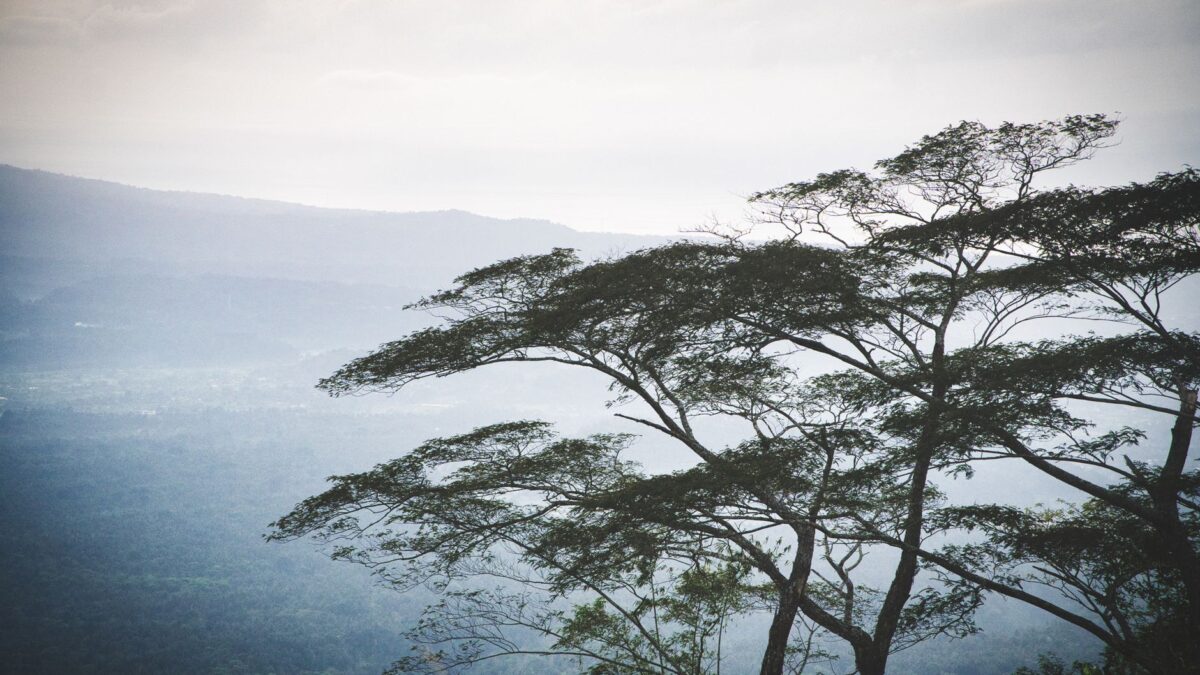
Imagine the sky turning black at 2 p.m. in Jakarta, the air thick with humidity that feels less like weather and more like a physical weight. A sudden, violent downpour hits—so intense it’s the practical result of cloud-seeding flights from Halim Perdanakusuma trying to break a dry spell—and within minutes, low-lying streets are churning with brown water. This is the turn of the year in the capital: the first proper wet-season storms have just arrived, washing away the haze and filling markets with early-season rambutan and manggis. If you are planning your trip to Indonesia, understanding this rhythm is not just about packing an umbrella; it is about choosing when to experience the archipelago’s chaotic energy versus its serene beauty.
The Dry Season: High Summer (May to September)
For most visitors, the window between May and September offers the most reliable conditions for island-hopping and outdoor exploration. During these months, rainfall drops significantly across Java, Bali, and Nusa Tenggara. The skies are clearer, making this the ideal time for diving in Raja Ampat or hiking Mount Bromo without the risk of volcanic ash mixing with heavy rain.
However, ‘dry’ does not mean ‘cool.’ In Jakarta, temperatures still hover between 25–34°C, often feeling closer to 40°C due to humidity. You will find fewer crowds in the museums, but prices for accommodation in popular spots like Bali can spike during July and August, which coincide with school holidays in Europe and Australia. If you prefer city exploration over beach lounging, this is a solid time to wander Kota Tua or visit the Museum Nasional Indonesia, as you won’t be fighting through monsoon floods.
The Wet Season: Monsoon Downpours (November to March)
As I write this in November, Jakarta is experiencing the shift. The dry, hazy spell has broken, replaced by dramatic afternoon thunderstorms. While this might sound daunting, the wet season has distinct advantages. The landscape turns lush and green, and the crowds vanish from major tourist sites. Prices for flights and hotels drop roughly 20–30% compared to the peak dry months.
Be aware that flooding, or banjir, is a real hazard in January and February. Whole roads in central Jakarta can close, stranding travelers for hours. If you stay in districts like Menteng or SCBD, you are generally safer from the worst of it, but transport via Grab or Gojek may take twice as long. For beach lovers, the east coast of Bali (like Amed) remains decent, but the west (Kuta/Seminyak) sees rough seas and limited sunbathing days. If you don’t mind carrying a compact umbrella and checking flood alerts, this season offers a more authentic, slower-paced glimpse into daily Indonesian life.
Festivals and Cultural Peaks
Timing your visit around cultural events can elevate your trip, but it requires strategic planning. The most significant period is around Eid al-Fitr (Lebaran), usually in March or April. Millions of Indonesians travel home, meaning flights sell out months in advance and domestic routes become incredibly expensive. However, if you stay in the city, you’ll see spectacular decorations and community feasts.
For music and arts lovers, look toward late autumn. Events like the International Ethnic Music Festival at Taman Ismail Marzuki fill the venue with traditional performances from across the archipelago and beyond. Similarly, public art initiatives like Public Space Art in Menteng transform parks like Taman Suropati into open-air galleries. These events often run in the late afternoon and evening, perfect for avoiding the midday heat. Note that during national holidays like Heroes’ Day, expect road closures and heavy policing in the city center, so plan your museum visits around these dates rather than trying to navigate downtown traffic.
Budgeting for Your Stay
Indonesia remains one of Asia’s most affordable destinations, but costs vary wildly depending on where you eat and how you move. A meal at a warteg (local canteen)—featuring rice, fried chicken, tempe, and vegetables—costs about Rp 15,000–20,000 (roughly $1.1). Street food like nasi goreng or sate ayam runs between Rp 15,000 and Rp 30,000 ($1.3–$1.6). Even a plate of nasi uduk with sides is around Rp 20,000.
Transport is equally cheap. A single ride on the MRT Jakarta costs between Rp 4,000 and Rp 14,000 ($0.6), while the TransJakarta bus flat fare is Rp 3,500 ($0.2). There is no true monthly transit pass, but the Jak Lingko integrated system caps fares at about Rp 10,000 per trip if you switch between modes within three hours. For longer stays, modest one-bedroom apartments outside the city center rent for around Rp 3,900,000–6,500,000 ($330) per month. Keep in mind that staple food inflation is pushing warteg prices up slightly, so budget accordingly.
Practical Tips for Every Season
Regardless of when you visit, preparation is key. Most Western and ASEAN-plus passport holders can use the e-VOA (evisa.imigrasi.go.id) for IDR 500,000, valid for 30 days and extendable once. Ensure your passport has six months’ validity. Upon arrival at Soekarno-Hatta (CGK), use the biometric autogates if eligible, but remember to file the ‘All Indonesia’ arrival card and customs declaration separately.
Safety-wise, violent crime against foreigners is rare. The real risks are traffic accidents and petty theft in crowded areas like Blok M or Kota Tua after dark. Always look right before crossing; motorbikes do not respect traffic lights. If you plan to use your own phone for more than 90 days, register the IMEI at customs upon arrival, or you will face hefty fees later. Finally, download the MyMRTJ app and get a prepaid Telkomsel SIM at an official GraPARI store to stay connected. Whether you come for the dry season beaches or the wet season festivals, Indonesia’s layered history—from Dutch colonial Batavia to modern Jakarta—awaits you with open arms.
Frequently asked questions
When is the best time to visit Indonesia for beach holidays?
The dry season from May to September is ideal for beaches, especially in Bali and Nusa Tenggara, offering sunny days and calm seas.
Is it safe to travel to Jakarta during the rainy season?
Yes, but expect heavy afternoon downpours and potential flooding (banjir) in low-lying areas. Stick to elevated districts like Menteng or SCBD and check traffic apps regularly.
How much does a local meal cost in Indonesia?
Street food and local canteens (warteg) are very affordable, typically costing between Rp 15,000 and Rp 30,000 (approx. $1–$1.6) for a full meal.
Do I need a visa for Indonesia?
Most Western and ASEAN-plus passports can obtain a Visa on Arrival (VOA) for IDR 500,000, valid for 30 days and extendable once for another 30 days.
What is the best way to get around Jakarta?
Use the Jak Lingko integrated system (MRT, TransJakarta, KRL) for cheap fares, supplemented by Grab or Gojek for areas not covered by rail or bus.
Things to do in Indonesia
 PRIVATE Authentic Balinese Cooking Class in Ubud at Putu's Home
 Ubud Highlights: Monkey Forest, Rice Terrace, Tirta Empul Temple
 Anggrek Putih Cooking class & Garden Tour
 Ubud Adventure All Inclusive Private Day Tour
 Likely to sell out
Nusa Penida Two Dives Trip for Certified Divers
 Bali Airport Transfer Service in Private