

The best time to visit Italy
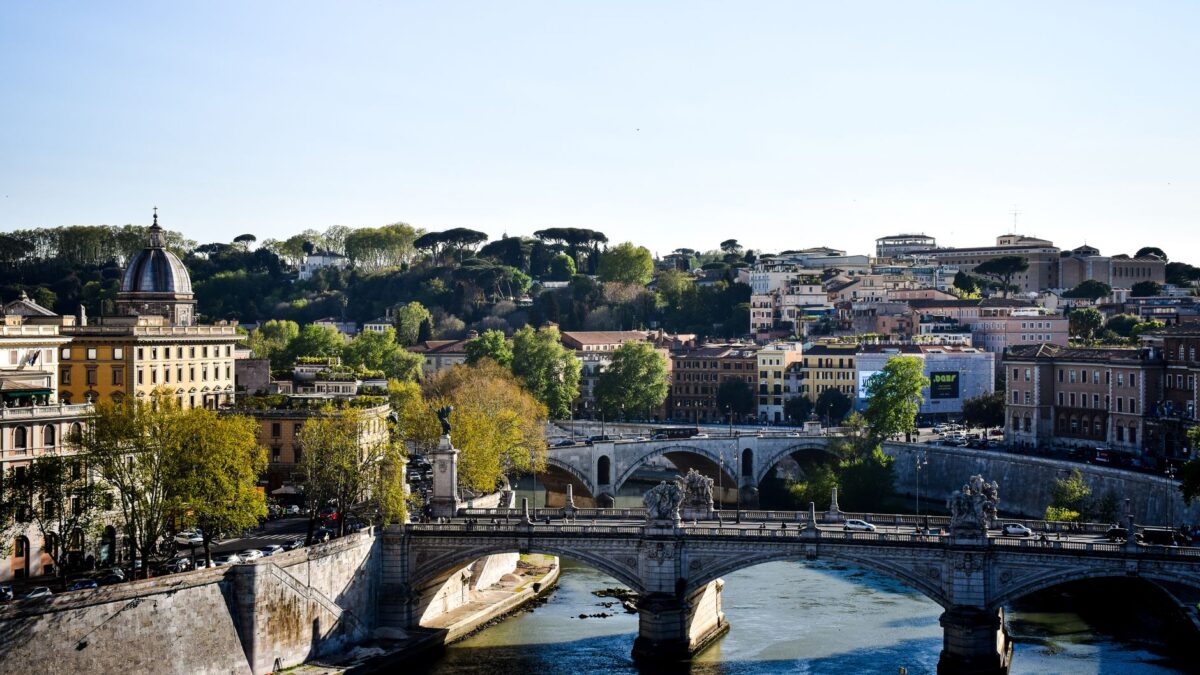
The last Saturday of August in Rome hits different. The air is thick and sultry, the light over the Trastevere cobbles is honeyed, and the streets are half-empty of Romans — they’re still at the beach, or up in the mountains, clinging to the final hours of ferragosto. But by evening, the city shifts. The grande rientro is coming: families are packing up the Fiat Pandas, the telline (tiny clams) are being scooped out of the shallows at Ostia, and the last outdoor concerts of the summer are playing out under the pines of Villa Celimontana. This is the hinge of the Italian year — and honestly, it’s the perfect moment to start thinking about when you should come.
Because here’s the thing: there is no single “best” time to visit Italy. There’s a best time for you — for your budget, your tolerance for crowds, your craving for festival light or alpine silence. I’ve lived here long enough to know the seasons like old friends. Let me walk you through them, month by month, so you can choose your own adventure.
Spring (March–May): The golden middle
If I had to pick a season that pleases almost everyone, it’s spring. March is still quiet — the weather is fickle, with sudden showers and the first brave terrace-sitters. By April, the city bursts into pink and white: wisteria tumbles over walls in Trastevere, and the orange blossoms in the Giardino degli Aranci (just up from Testaccio) smell like heaven. Temperatures hover in the high teens and low twenties Celsius — perfect for walking the Appian Way, which is car-free on Sundays, or renting an e-bike from the visitor center and rolling over original basalt paving past the catacombs of San Callisto and San Sebastiano.
Crowds? Moderate. Prices? Still reasonable — you can find a room in Prati, the elegant Vatican-adjacent district with its Art Nouveau boulevards, without mortgaging your holiday. May is the sweet spot: the days are long, the evenings are mild, and every piazza in Monti fills with freelancers nursing glasses of wine. But book ahead — by the last week of May, the tour groups have arrived, and the Colosseum’s €18 combined ticket (with timed entry, reservation opens 30 days ahead) starts to feel like a prize.
Summer (June–August): Sultry, loud, alive
Summer in Rome is not for the faint-hearted. From late June, the heat cranks up to 26–35°C, and the sun doesn’t set until nearly 8pm. Romans decamp to the coast or the mountains — which means the city is paradoxically both more touristy and more local. In August, the city closes for ferragosto: many trattorias shut, the streets empty, and the only sound is the click of cameras at the Pantheon (now €5 entry, free for EU under-25s and minors, but you must book a time slot).
But if you love festivals, this is your month. This very weekend — 29–30 August — the Roma Summer Fest at the Auditorium Parco della Musica hosts Tony Pitony in the Cavea, with a dawn Cosmo gig on the 30th. The free Gipsy Mini Festival closes out Village Celimontana’s summer with gypsy-jazz under the cypresses of Villa Celimontana. Down in Ostia, the 61st Sagra della Tellina celebrates the tiny clam with a sea procession on 29 August. And Testaccio Estate keeps Piazza Testaccio buzzing with late-night tribute nights — Renato Zero, Lucio Battisti — capped by the historic ‘Borghetta Stile’ party on the 29th.
Practical note: the Colosseum and Pantheon stay open after dark (until 23:30 and 23:00 respectively) on the last summer weekends — magical and marginally cooler. But pack for the heat: light linen, a refillable bottle (use one of the 2,500 free nasoni fountains), and patience for the queues at the Vatican Museums, where you’ll want to book at least three weeks ahead.
Autumn (September–November): The insider’s secret
If I told you my personal favorite time, it’s late September to late October. The grande rientro brings Romans home; the city feels lived-in again. The heat softens to a perfect 22–26°C, the light turns liquid gold, and the grape harvest begins — the Sagra dell’Uva, the grape festival, kicks off in the hills around Rome as the telline season winds down.
September is also when the city’s cultural calendar explodes. The Auditorium, the Teatro dell’Opera, and the tiny jazz clubs in Trastevere all reopen. You can wander the Mercato di Testaccio — closed Sundays, but on a weekday morning you’ll see real Roman chefs buying their supplì and trapizzino alongside your own lunch. Or head to the Porta Portese flea market on a Sunday morning in Trastevere for vintage finds and records — just keep a hand on your wallet, as pickpockets love the crush.
Crowds? Thinner than summer, but still lively. Prices drop, especially in November — though the weather turns rainy and grey. November is the true low season: museums are blissfully empty, and you can get into the Galleria Borghese (timed entry only, book weeks ahead) with ease. Rain is part of the charm — duck into Sant’Eustachio Caffè near the Pantheon for a coffee that’s worth the pilgrimage.
Winter (December–February): Quiet, cozy, and cheap
Winter in Rome is a revelation. Christmas lights twinkle over Via del Corso, and the city is enveloped in a soft, cold mist — but it rarely snows. You’ll need a coat and a scarf, and you’ll be grateful for the nasoni that still run (yes, they’re drinkable even in winter). The big draws — St. Peter’s, the Vatican Museums, the Colosseum — are comparatively empty. You can stand in front of Caravaggio’s originals in San Luigi dei Francesi (free!) with three other people instead of thirty.
January and February are the cheapest months to fly and stay. You’ll find hotel rooms in Prati or Monti at half the summer rate. But be warned: many restaurants close for a week or two in January for holidays. The city is quieter, but the locals are in a good mood — the big Carnevale celebrations come in February (Venice gets the attention, but Rome has its own masked festivities in the neighborhoods). And there’s nothing cozier than an evening aperitivo in a Trastevere trattoria, the windows steamed up, the smell of cacio e pepe wafting out.
Festivals and practical timing
Let’s be honest about the calendar. The absolute peak — and most expensive — is April (Easter, when the Pope leads processions), May, and June. If you want to see the city without swimming through crowds, avoid these months. The sweet spot for value and weather is late September to mid-October. For pure festival energy, come in August — but you’ll need to book everything months ahead and tolerate heat. For budget travelers, November and January are your friends, just pack an umbrella.
One last tip on the ground: if you’re here on a Sunday, the Appian Way is car-free — rent an e-bike and ride past the catacombs. And always check the ATAC website for metro closures; as of this weekend, Metro A’s Lepanto station is shut for refurbishment until the end of August (trains run through without stopping, and you’ll be redirected to Ottaviano). The €1.50 BIT ticket gets you 100 minutes of travel, or splash out on the Roma 72H €22 pass — worth it if you’re hopping between the Vatican, Trastevere, and Testaccio.
So what’s your season? I’ll be here in all of them — a coffee at Tazza d’Oro in the summer heat, a glass of wine in Monti in the autumn light, and a hot chocolate by the Pantheon in December. Come join me when it’s right for you.
Frequently asked questions
What is the cheapest month to visit Italy?
November and January offer the lowest prices for flights and hotels in Rome, with fewer crowds and mild-to-cool weather. Many restaurants close for a week in January, but the city is peaceful and budget-friendly.
When are the biggest festivals in Rome?
August is festival season: Roma Summer Fest at the Auditorium, the free Gipsy Mini Festival at Villa Celimontana, and the Sagra della Tellina in Ostia. Late September starts the grape harvest festivals (Sagra dell'Uva).
Is Rome too hot in August?
Yes, it can be 26–35°C with high humidity, particularly at the end of August. Romans often leave town, but the city stays lively with evening events. Bring light clothes, hydrate from nasoni fountains, and embrace the siesta.
Do I need to book museum tickets in advance?
Absolutely for the Vatican Museums (at least 3 weeks ahead in peak season) and the Galleria Borghese (weeks ahead, timed entry). The Colosseum's €18 combined ticket opens 30 days ahead — book as soon as it does.
What's the best season for sightseeing without crowds?
Late September to mid-October offers pleasant weather, fewer tourists, and lower prices than summer. The light is golden, and the cultural season is in full swing.
Things to do in Italy
 Likely to sell out
Authentic Puglia Cooking Class in a Local Family Home Near Lecce
Likely to sell out
Authentic Puglia Cooking Class in a Local Family Home Near Lecce
 Visit in Pompeii - Pompeii Private Tour with Ada
 Lake Como Private Boat Tour from Bellagio with a Local
 Private Tour explore Vulcano Island by Kayak & Coasteering
 Sassi di Matera guided tour with Giulio
 Special offer
The BEST Private Amalfi Coast Vespa Tour
Special offer
The BEST Private Amalfi Coast Vespa Tour