

The best time to visit Jordan
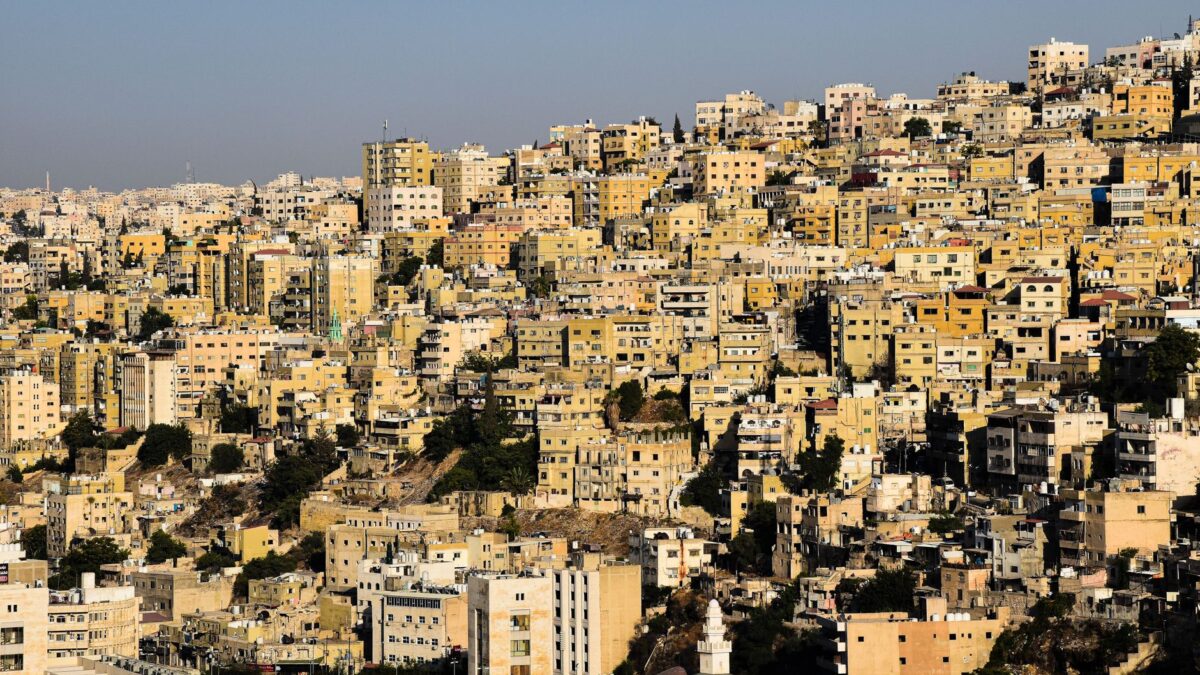
The air in Amman has a specific weight to it this time of year. It is the tail end of the olive harvest, and if you walk through the tree-lined hills of Jabal Al-Weibdeh or down toward Al-Balad, you can smell the pressed oil and the damp earth after the first rains. The hills have turned a deep, saturated green, and the evenings are cool enough that you will reach for a jacket as you head to dinner on Rainbow Street. This is not the scorching heat of July, nor the grey stagnation of mid-winter. It is, in my opinion, one of the most magical windows to experience Jordan.
But “the best time” is entirely dependent on what you are chasing. Are you here to hike Wadi Mujib before the flash floods? Do you want to see Petra without shoulder-to-shoulder crowds? Or do you just want to sip coffee at ALMOND COFFEE HOUSE while watching the city lights flicker on over the seven hills? Let’s break down the seasons so you can pick your month with confidence.
Spring: The Golden Window (March – May)
If I had to choose one period to bring a friend to Jordan, it would be spring. The weather is mild, the wildflowers are blooming across the desert plateaus, and the country feels alive. By late March, the temperature in Amman sits comfortably between 15°C and 26°C, perfect for walking the Roman Theatre steps or exploring the Citadel without breaking a sweat.
This is also peak season for a reason. You will find more tourists here than in November, which means hotels fill up faster, but the energy is infectious. Festivals often kick off during this window, including the Al Balad Music Festival at the Odeon, where local bands play under the stars. Prices for accommodation will be higher—expect to pay around 45–70 JOD for a night in a mid-range guesthouse—but the value is there in the long daylight hours. A falafel sandwich from a street kiosk remains a bargain at about 1.50 JOD, keeping your daily food costs low even if your hotel bill climbs.
Practical tip: If you plan to visit Petra during Easter week or major Jordanian holidays, book your Jordan Pass online before you fly. It waives the visa-on-arrival fee and bundles entry to Petra, Jerash, and the Citadel, saving you time and hassle at the border.
Summer: Heat and High Season (June – August)
Summer in Jordan is hot. Very hot. In Amman, it is manageable, but out in Wadi Rum or near the Dead Sea, temperatures can soar past 40°C. This is the height of tourist season, particularly for families visiting the Dead Sea and the northern archaeological sites. While the crowds are at their largest, the trade-off is convenience; everything is open, and the nightlife in Abdali Boulevard is vibrant.
However, I advise caution if you are sensitive to heat. Hiking trails like the Siq Trail at Wadi Mujib may close due to safety concerns during extreme heatwaves. If you do visit, stay hydrated and start your days early. Costs remain steady, but you might find yourself spending more on transport, relying on taxis or Careem to avoid the midday sun. A short taxi ride across town, say from Downtown to Jabal Amman, will cost you roughly 2–3 JOD, which is worth the comfort when the mercury rises.
Autumn: The Local’s Choice (September – November)
This is where we are now, and it is arguably the sweet spot. The summer heat breaks, the rain returns, and the locals come back outside. September is still warm, but by October and November, the pace slows down. You get clearer skies, cooler nights, and a sense of normalcy returning to the streets.
November, in particular, is rich with culture. The 31st Jordan Theatre Festival opens at the Royal Cultural Centre, bringing nightly plays and workshops to the capital. Around the same time, the 8th Jordan International Dates Festival takes over the InterContinental Hotel, offering a taste of the country’s agricultural heritage. For the traveler, this means lower prices. Hotels drop their rates slightly after the summer rush, and you can enjoy a three-course meal at a mid-range restaurant for about 30 JOD for two people.
The crowds thin out significantly compared to spring. You can wander through the gold souq in Al-Balad or browse the galleries in Jabal Al-Weibdeh without pushing through throngs of people. It is also a great time to explore the Dana Biosphere Reserve; the trails are cool, and you might spot the Nubian ibex against a backdrop of autumnal hues. Just remember to pack layers; the difference between day and night temperature becomes stark.
Winter: Quiet, Cold, and Cultural (December – February)
Winter in Jordan is not snow-heavy in the cities, but it is cold and damp. Amman sees regular rain, and the nights dip below 10°C. However, winter is the best time for budget travelers. Hotel rates are at their lowest, and you have the historic sites almost to yourself. Petra at sunrise, with no other tourists in sight, is a spiritual experience.
Culturally, winter is quiet but cozy. The indoor arts scene thrives. You might catch the Arab House of Poetry Festival readings at the National Library or simply spend an afternoon at the Jordan National Gallery of Fine Arts, where entry is a modest 3 JOD. Food becomes your anchor; a plate of hummus and foul with bread costs about 4.50–5 JOD, and it warms you up better than anything else. Public transit remains reliable and cheap—the BRT flat fare is just 0.55 JOD—but service ends around 22:00, so you will need to budget for a yellow cab home.
Practicalities Across All Seasons
No matter when you visit, a few logistical realities remain constant. First, the currency is the Jordanian Dinar (JOD), pegged to the US dollar. Cash is king in markets, but cards work in malls and larger restaurants. Second, safety is generally high; violent crime against visitors is rare, though traffic in Sweifieh and Um Uthaina can be aggressive. Stick to well-lit areas at night, and use registered taxis or apps like Careem.
Finally, respect the rhythms of daily life. If you arrive for more than two weeks, remember you must register with the police within 14 days if your stay exceeds 30 days. Bring your passport, lease, and landlord’s ID to the local station. For shorter trips, the Jordan Pass is your best friend, handling visas and site entries in one digital stroke. Whether you are here for the festivals of autumn or the solitude of winter, Jordan welcomes you with open arms and strong coffee.
Frequently asked questions
When is the best time to visit Petra to avoid crowds?
Late autumn (October-November) and winter are ideal. Crowds thin out significantly after the summer rush, and you can experience sites like Petra at sunrise with relative solitude.
How much does a meal cost in Amman?
A simple street meal like a falafel sandwich costs about 1.50 JOD. A standard plate of hummus and foul with bread runs 4.50–5 JOD, while a three-course meal for two at a mid-range restaurant is around 30 JOD.
Do I need a visa to enter Jordan?
Most Western nationalities get a visa on arrival, but it is smarter to buy the Jordan Pass online before flying. It waives the visa fee and includes entry to major sites like Petra and the Citadel.
Is public transportation safe and reliable in Amman?
Yes, the Amman Bus and BRT are safe and affordable with a flat fare of 0.55 JOD. Service runs until 22:00, so for late-night travel, use yellow cabs or ride-sharing apps like Careem.
Things to do in Jordan
 Private Flexible Transportation from Amman to Jordan’s Cities .
 Private Two Day Tour To Petra, Wadi Rum and Dead Sea from Amman
 Petra & Dead Sea - One day Private tour
 Private Transportation-Nayl-fdool
 From Amman: Private Dead Sea, Madaba and Mount Nebo Full day tour
 2-Hour Private Scuba Experience in Aqaba