

The best time to visit Kenya
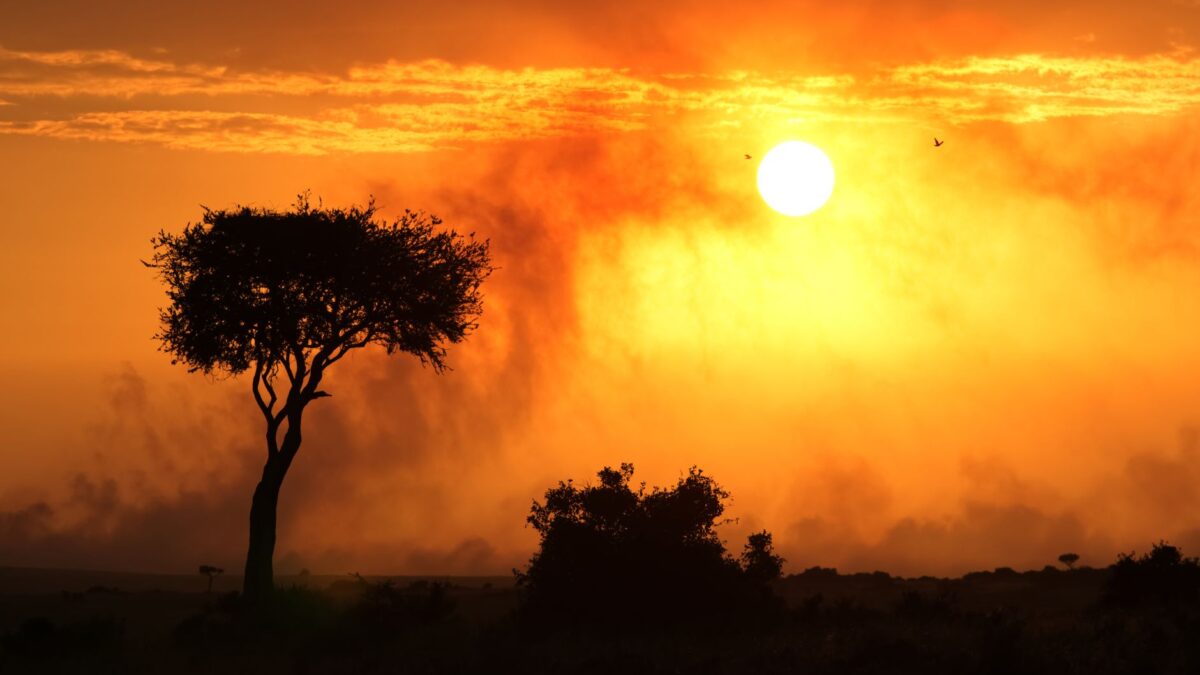
There is a specific magic to Nairobi in the dry season. The air turns crisp, carrying the scent of dust and drying eucalyptus, and the jacarandas are still waiting for their purple burst. Standing on the rooftop of the Kenyatta International Convention Centre (KICC), you watch the skyline shimmer against a backdrop of acacia trees. This is the ‘Green City in the Sun’ at its most photogenic. But Kenya is not just Nairobi; it is a country of highlands, arid plains, and Indian Ocean coasts, each with its own rhythm. Choosing when to visit depends entirely on what kind of story you want your trip to tell.
The Long Dry: June to October
This is the gold standard for wildlife enthusiasts. If your dream is to witness the Great Migration in the Maasai Mara, late July through September is your window. The herds cross the Mara River, a dramatic spectacle of survival that draws crowds from every corner of the globe. The weather is generally cool and sunny, with daytime temperatures hovering between 20°C and 25°C in the central highlands. Nights can drop sharply, so pack layers.
However, this peak season comes with a premium. Accommodation prices surge, and popular parks like Amboseli and Tsavo become busy. If you are staying in Nairobi during this time, expect to pay around KES 10,000–20,000 ($110) per night for a mid-range hotel in areas like Westlands or Kilimani. A simple meal at a local vibanda might cost you KES 300 ($1.7), but dining at established spots like The Carnivore Restaurant will run closer to KES 3,000 ($17) per person. Despite the costs, the clarity of the skies and the concentration of animals make it worth the splurge for first-timers.
The Short Rains: November to December
November brings the short rains, which typically arrive as heavy afternoon showers followed by brilliant sunshine. The landscape explodes into green, and birdlife is prolific. This is often considered the best value period for travel. Hotels lower their rates to attract visitors, and the parks are lush and beautiful, though some remote tracks may be muddy.
Culturally, this is a festive time. Christmas and New Year see a flurry of events, including music festivals and family gatherings. In Nairobi, the energy is high. You might catch the World Health Expo at the Kenyatta International Convention Centre if you are visiting in mid-September, transitioning into the holiday buzz. For food lovers, the markets are vibrant. Grab a plate of nyama choma (roast beef or goat) with ugali and kachumbari at a market grill joint for about KES 500–1,500 ($7). It is hearty, social, and affordable.
The Long Rains: March to May
Known locally as the ‘long rains,’ this period sees the heaviest precipitation. The roads can turn to mud, and some safari camps in remote areas close temporarily. However, do not write off this time entirely. It is quiet, introspective, and ideal for city dwellers or those interested in culture rather than big-game tracking. The grass is tall, and the light is soft, perfect for photography without the harsh midday sun.
If you stay in Nairobi, use the downtime to explore neighborhoods like Karen or Lavington. Visit the Karen Blixen Museum to learn about the author of Out of Africa, or feed giraffes at the nearby Giraffe Centre. Entry to the Nairobi National Museum costs around KES 1,200 ($9). Transportation is easy via Uber or Bolt, with rides across town costing roughly KES 350–700 ($4). Just be aware that humidity rises, and rain gear is essential. This is also when locals engage in deep cleaning and preparation for the new year, offering a glimpse into domestic rhythms rarely seen by tourists.
January to February: Hot and Dry
These months are among the hottest of the year. Coastal areas like Mombasa and Diani Beach become sweltering, but the heat makes them perfect for beach holidays. Inland, temperatures in Nairobi remain pleasant, but the days are long and bright. This is an excellent time for hiking Mount Kenya or exploring the Rift Valley lakes, provided you start early to beat the heat.
Prices are moderate, sitting between the peak winter highs and the rainy season lows. You can find good deals on flights, especially if you book ahead. Socially, January is a month of recovery and relaxation. Many expats and diplomats return to districts like Gigiri or Runda, bringing a cosmopolitan vibe to cafes in Kilimani. Try a cappuccino at Cafe AMKA or Barista & Co., costing around KES 250–350 ($2.2). It is a small luxury that grounds you in the local coffee culture.
Practicalities: Costs and Logistics
Kenya remains an affordable destination for many aspects of daily life, though costs have risen slightly. A monthly rent for a modest one-bedroom flat in middle-class estates like South B or Donholm is around KES 20,000–35,000 ($205). Food is cheap if you eat like a local; a litre of fresh milk is about KES 112 ($0.8), and a loaf of bread is KES 71 ($0.5). However, tourist-facing services carry higher margins.
Visa requirements have changed. Almost all foreign visitors must obtain an Electronic Travel Authorization (eTA) online before travel via etakenya.go.ke. It costs about USD 30–34 and takes roughly 72 hours to process. Apply at least two weeks early. Citizens of EAC partner states and a few others like South Africa or Singapore may enter visa-free for up to 90 days.
For banking and connectivity, get a SIM card from Safaricom upon arrival. Registration requires your passport and proof of address. Mobile money, M-PESA, is ubiquitous; you will use it for almost everything, from matatu fares to buying vegetables. Safety is generally good in hubs like Westlands, Kilimani, and Karen during the day, but avoid walking alone in the CBD or informal areas after dark. Use ride-hailing apps for peace of mind.
Frequently asked questions
What is the best time to see the Great Migration?
The best time is from late July to September, when herds cross the Mara River in the Maasai Mara. This is peak season, so book accommodations well in advance.
Do I need a visa to visit Kenya?
Most travelers must apply for an Electronic Travel Authorization (eTA) online at etakenya.go.ke before departure. It costs around USD 30–34 and should be applied for 1–2 weeks in advance.
Is Kenya expensive for tourists?
Daily costs can be low; local meals cost KES 300–1,500 ($1.7–$7) and matatu fares are KES 30–100 ($0.5). However, mid-range hotels and park fees are higher, averaging KES 10,000–20,000 ($110) per night.
When does the rainy season occur?
Kenya has two rainy periods: the short rains (November–December) and the long rains (March–May). The long rains bring heavier, more consistent rainfall, while the short rains are usually afternoon showers.


