
The best time to visit Malaysia
The air hangs thick and damp, a familiar blanket of 26°C that promises 37°C by noon. I step out of my apartment in Bangsar, and the city is already humming—mynahs squabbling over a dropped roti canai, a Grab car idling at the curb, the distant rumble of an LRT. It’s August, bulan kemerdekaan, and every lamp post along Jalan Telawi is draped in the Jalur Gemilang. The flags aren’t just decoration; they’re a countdown. In exactly 25 days, Dataran Merdeka will erupt with crowds singing Negaraku, just as it has since 1957. But if you’re planning a trip to Malaysia, you don’t need to wait for the national day. The beauty of this country is that there’s always a season, a festival, a reason to come—you just need to find the month that fits you.
August: The Heartbeat of Independence
Right now, KL is at its most patriotic. The malls in Bukit Bintang—Pavilion, Lot 10—are decked in red, white, blue and yellow. LaLaport BBCC hosts its annual Bon Odori festival across two weekends (August 1–2 and 8–9 this year), where you’ll see yukata-clad crowds dancing in the rooftop garden, a bluefin tuna-cutting show, and enough Japanese street food to make you forget you’re in Malaysia. And it’s free. That’s the thing about August: the city throws open its doors.
But beware—August is also hot. I mean, really hot. The forecast says 26–37°C, and the “feels like” reading of 41°C isn’t an exaggeration. You’ll want to plan your sightseeing for early mornings or late evenings. Hit the Petronas Twin Towers’ Skybridge at 9 a.m. (book ahead—you won’t get in otherwise), then retreat to the air-conditioned halls of Suria KLCC for lunch. A hawker meal at Jalan Alor will set you back about RM 10–15 (≈ $3.30), and a bowl of laksa at a local kopitiam costs around RM 8–10 (≈ $2.20).
If you’re here mid-month, keep an eye out for Heineken House at XOX Arena in The Arch Galeries (August 15), headlined by Swedish DJ Axwell. Or catch the Central Music & Entertainment Festival at Zepp KL (August 1), featuring K-pop and anime acts like KANA-BOON and ReoNa. The crowds are young, the energy is electric, and the evenings stretch long under the city lights.
But August has a shadow side, too. Just last month, Dataran Merdeka was left carpeted in rubbish after thousands watched the FIFA World Cup final on the big screen. Federal Territories Minister Hannah Yeoh had to issue a public cleanliness appeal. The lesson? Come for the festivities, but bring your own trash bag. We’re still learning.
December to February: The Cool(er) Season
If you can’t take the heat, head to Malaysia between December and February. The northeast monsoon brings rain, but it also brings a drop in temperature—mornings can feel almost crisp in the city, dipping to a low of 23°C. It’s the tail end of the school holidays, so expect more families, but the prices? They’re still reasonable. A mid-range dinner at a sit-down restaurant runs about RM 23–28 (≈ $6), and your My50 transit pass (unlimited rides on RapidKL buses, MRT, LRT and monorail) costs just RM 50 (≈ $11) for the entire month.
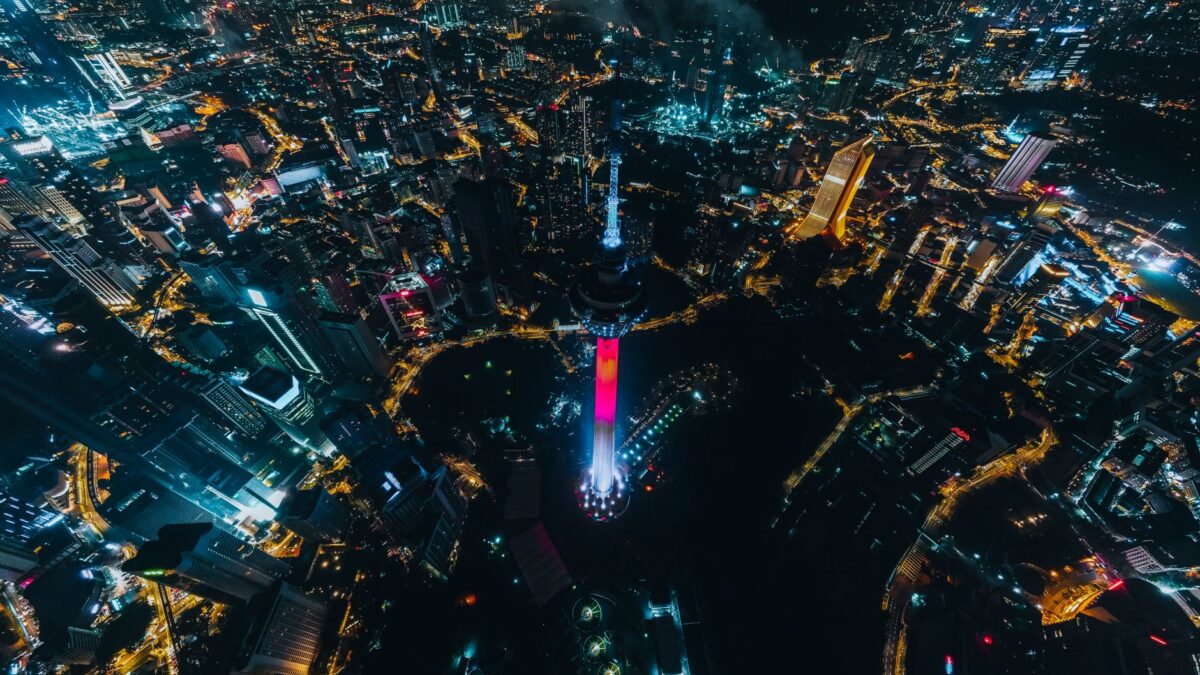
This is the season for cultural immersion. Visit Brickfields, KL’s Little India, and eat a banana-leaf curry with your hands (Vishal Food & Catering near the railway station is a local favourite). The rain is a welcome excuse to duck into the Islamic Arts Museum Malaysia, which despite its sprawling 12 galleries and exquisite Qur’ans, feels wonderfully quiet. And when the clouds break, the skyline from Menara KL’s Sky Deck is postcard-perfect.
For Muslims, December also marks the start of the school holidays and a popular time for domestic travel. If you’re planning a trip to Cameron Highlands or Genting Highlands, book early—the tea plantations and hill resorts fill up fast.
March to May: The Shoulder Season Sweet Spot
Now we’re talking. March, April and May are my favourite months to be in KL. The heat is back (of course it is—it’s Malaysia), but the crowds are thinner, the flights are cheaper, and the city feels like it’s yours. The durian stalls along Chow Kit Road are starting to pile up with Musang King, and you can grab a whole fruit for about RM 32 per 1.3 kg (≈ $4). It’s an acquired taste, but if you’re brave enough, you’ll never forget the first time you crack open that spiky shell and taste the custardy, pungent flesh.
This is also the season of cultural festivals. Thaipusam usually falls in late January or February, but if you’re lucky enough to catch it at Batu Caves (the 272 rainbow steps are a pilgrimage in themselves), you’ll witness a spectacle of devotion—kavadi bearers, smouldering incense, and a sea of devotees. If you miss it, don’t fret. March brings the KL Fashion Week (the 14th edition kicks off at the Esplanade at KLCC Park in August, actually), and May is Wesak Day, when Buddhist temples like the Thean Hou Temple on Robson Hill glow with lanterns and prayer offerings.
Hotels are easier to score, too. You can find a decent room at a place like Seeds Hotel Premier Kampung Baru for around RM 150 a night—or splurge on a serviced apartment near TRX for RM 300. The ringgit is soft right now, trading at about 4.6 per US dollar, so your money goes further than it did a few years ago.
June to July: The Foodie’s Monsoon
The southwest monsoon hits between June and July, bringing consistent afternoon downpours. But here’s the secret: the rain is a rhythm, not a ruiner. It falls, it floods the gutters for an hour, then it stops. And the food gets even better.
This is the season for laksa—the sour, fishy, tangy broth that warms you from the inside. Grab a bowl at any hawker stall (about RM 8–10) and pair it with a glass of teh tarik, the pulled tea that’s our national caffeine fix. Jalan Alor is a chaotic symphony of sizzling woks and neon signs, and you can eat like a king for RM 10–15. For something more refined, head to UpperDeck KL or Bunglow37 in Bangsar, where a meal might cost RM 60–80 per person—still a steal by Western standards.
But watch for the July rush. The school holidays bring domestic tourists, and the Merdeka Day countdown begins in earnest. The city is gearing up for August, which means road closures and construction. It’s also a time when the national debate over cleanliness heats up—the Dataran Merdeka rubbish incident happened on July 20—so don’t be surprised if you see volunteers with trash bags around the city. Join them if you can; it’s a great way to meet locals.
September to November: The Quiet Before the Storm
Here’s my honest take: September, October and November are the most underrated months to visit KL. The summer crowds have gone home, the monsoon is easing slightly, and the city is calm. It’s still hot and humid, but the streets are emptier, and you can actually get a seat at Feeka Coffee Roasters in Jalan Raja Chulan without queuing.
These months are perfect for slow travel. Ride the MRT to TTDI and spend a morning in TTDI Park, where you’ll see families picnicking under the rain trees and monkeys eyeing your nasi lemak. Take the KTM train from KL Sentral to Batu Caves—a 30-minute ride for about RM 2—and climb the steps before the tourists arrive. And if you’re a history buff, walk the colonial district: Dataran Merdeka, the Sultan Abdul Samad Building, and the old railway station, all within a few minutes of each other.
Prices are at their lowest. A modest one-bedroom flat in the city centre rents for around RM 1,800 a month (≈ $390), and if you’re staying longer, that’s affordable. The only risk? The occasional haze—those smoky days when forest fires in Sumatra drift over. It hasn’t been bad lately, but bring a mask just in case.
When Should You Go? A Quick Decision Guide
If you fear the heat, come in December or January—but be ready for rain. If you want to see Malaysia at its most patriotic, August is your month, flags and all. If you’re a foodie, June to July will be a dream—and you’ll avoid the crowds. And if you want the perfect balance of good weather, light crowds and low prices, aim for March to May. That’s where I’d put my ringgit.
No matter when you come, remember the essentials: your passport needs six months’ validity, you must complete the Malaysia Digital Arrival Card (MDAC) within three days before arrival (it’s free), and most of you—Americans, Brits, Australians, Europeans—don’t need a visa for stays up to 90 days. Grab a Touch ’n Go card at the airport for public transport, and download Grab—it’s our Uber. And don’t be shy with the sambal; that’s where the real Malaysia lives.
The city is waiting. Whether you’re here for the durian, the history, or the 4 a.m. roti canai, there’s a month that’s just right for you. Now, finish your teh tarik, and let’s go.
Frequently asked questions
What is the best month to visit Kuala Lumpur?
For a balance of good weather, fewer crowds and lower prices, March to May is ideal. December to February is cooler but rainier, while August is hot yet full of festivals and national pride.
Is Malaysia a cheap travel destination?
Yes, especially outside the city centre. A hawker meal costs around RM 8–12 (≈ $2.50), a bowl of laksa about RM 8–10, and a monthly transit pass is only RM 50 (≈ $11). Rents are rising, but still moderate.
What is the weather like in Malaysia during August?
August is hot and humid, often reaching 37°C with a 'feels like' of 41°C. Expect occasional light drizzle, especially at night. Plan outdoor activities for early morning or evening.
Do I need a visa to visit Malaysia?
Many nationalities, including US, UK, EU, Japan and Australia, enter visa-free for up to 90 days. All visitors must complete the free Malaysia Digital Arrival Card (MDAC) within 3 days before arrival. Check exemptions for your country.
What festivals happen in Kuala Lumpur in August?
August is National Month, leading to Independence Day on August 31. You'll also find the Bon Odori festival at LaLaport BBCC, KL Fashion Week at KLCC Park, and music events like Heineken House with Axwell.
Things to do in Malaysia
 Countryside Cycling Tour. T1.0 by Matahari
 Half-Day Mangrove Kayaking in Langkawi
 Full Day Flexi Private Tour in Penang Island with Pickup
 Market Visit & Private Hands-on Cooking Class at Daun Senja
 Half-Day Geopark Mangrove Kayaking Adventure
 3-Hour Heritage on a Plate Lunch Hop in George Town Penang