

The best time to visit Netherlands
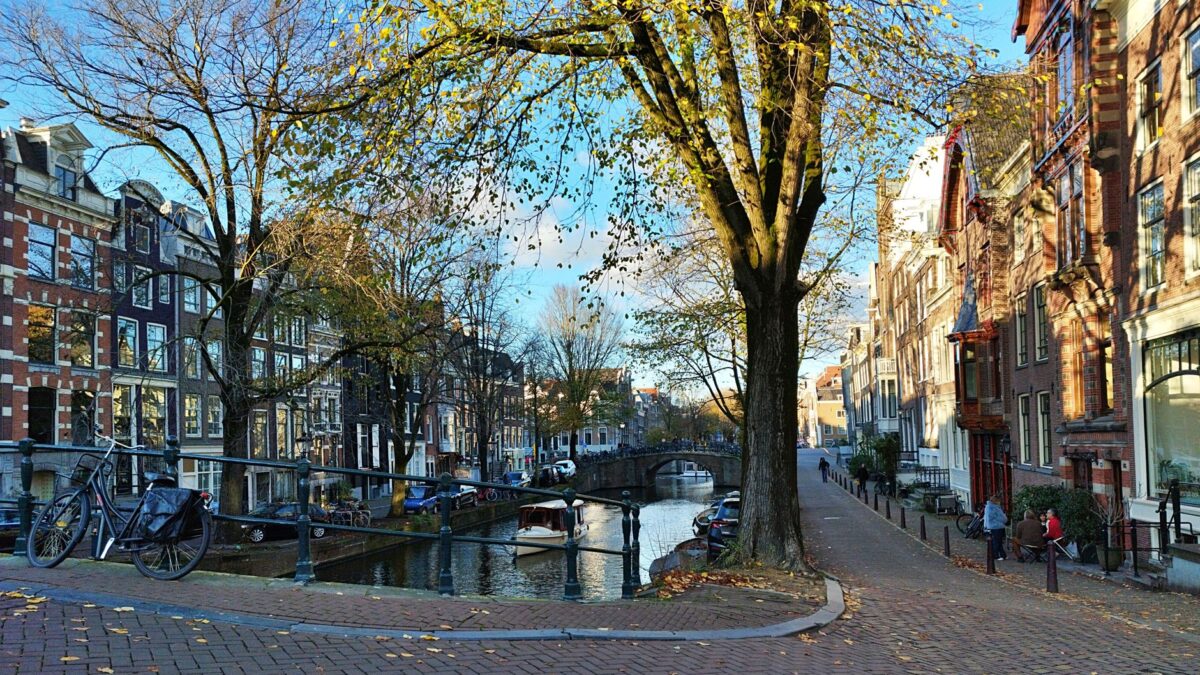
The last week of August is a quiet miracle in Amsterdam. The WorldPride parade floats have been packed away, the Grachtenfestival’s last notes have faded from the canals, and the Dutch school holidays are winding down. You can still sit outside a brown café in the Jordaan at nine in the evening, the sun a lazy smear of gold over the Herengracht, and hear more Dutch than English. The markets are piled with ripe strawberries, and the herring stalls are doing a brisk trade in Hollandse Nieuwe. This is the tail end of summer, and the city exhales. But the best time to visit the Netherlands isn’t a single month — it’s whatever month fits the way you travel. Let me walk you through the seasons so you can pick your own perfect moment.
Spring (March–May): tulips, light, and the first terrace days
Spring is when the Netherlands puts on its most famous show. The bulb fields explode into colour, and the Keukenhof gardens (open roughly late March to mid-May) are the headline act. You’ll want to rent a bike and ride the route between Lisse and Noordwijk — the scent of hyacinths is almost intoxicating. Crowds are significant but not yet at summer madness; prices for flights and hotels start to climb from April but haven’t peaked. The weather is fickle: one day 12°C with a sharp wind, the next 20°C and glorious sunshine. Bring layers and a rainproof jacket. King’s Day (27 April) turns every canal into a floating orange party — expect packed bridges, DJ boats, and a citywide flea market. If you want to see the tulips without the crush, go in the first half of May, when the bulbs are still blooming and the schools haven’t broken up.
Summer (June–August): long days, big festivals, and the “stay away” crowds
Summer is the classic choice, and for good reason: days stretch past 9 pm, the canals are lined with people drinking wine on houseboats, and the city feels like an open-air festival. But be warned — overtourism is a live political issue here (the mayor, Femke Halsema, has run “stay away” campaigns), and June through mid-August can feel like a theme park in the central canals. Hotel prices hit their peak: a mid-range room will set you back around €100–€150 a night, and the popular museums — the Rijksmuseum (adult ticket now €25), the Van Gogh Museum, and the Anne Frank House — require booking weeks ahead. Still, there’s magic here. The Grachtenfestival in August fills the water with classical music, and the Bosfest theatre performances in the Amsterdamse Bos (running 11–22 August in 2026) are a delightfully local way to spend an evening under the trees. If you’re here in late August specifically, you’ll catch the tail of Festival WhyNot #8, a contemporary dance festival centred at Felix Meritis (17–23 August 2026) — it wraps up the day before my favourite post-summer lull begins. One tip: the Diamond Museum Amsterdam has been closed for renovations since June 2026, and the Amsterdam Museum on Kalverstraat is shut until 2028 (only its outposts at Westergas and Huis Willet-Holthuysen are open). Check before you plan your museum crawl.
Late August: the insider’s sweet spot
If you can push your trip to the last ten days of August, you’ll find the sweet spot. The big crowds of WorldPride and Grachtenfestival have just left, the Dutch school holidays are ending (so domestic tourism drops), and the weather is still warm — around 14–22°C, with lovely long evenings. The Amsterdamse Bos is lush, and you can cycle to the Nieuwe Meer for a swim. Markets are full of ripe Dutch fruit, and herring is at its best. The Foam photography museum on the Keizersgracht closes entirely for renovation from 27 August to 17 September 2026, so you’ll only catch its final days if you get here before the 27th. But honestly, the city itself is the exhibit: rent a bike, pedal along the canals, and you’ll see why locals love this quiet window.
Autumn (September–November): culture, coffee, and the canals in amber
Autumn is my personal favourite for a culture-heavy trip. September still delivers warm days and the last of the terrace life, but the crowds thin dramatically — the Museumplein feels like it belongs to you. Prices drop too: a mid-range hotel can fall to around €100 a night, and you might find a bargain on flights. October is beautiful, with the canal-side trees turning amber, but the weather gets moodier: pack a good umbrella and be prepared for grey skies. This is the season for museum-hopping — the Rijksmuseum and Stedelijk are quieter, and you can linger over Vermeer’s light without queueing. The Concertgebouw offers free Wednesday lunchtime concerts — a brilliant, budget-friendly way to experience world-class acoustics. For food, you’ll warm up with a stroopwafel (€2–€3 from a market stall) and a bowl of erwtensoep (pea soup) at a brown café. November is darker — days are short, but the Amsterdam Light Festival in December (and sometimes late November) starts to twinkle, so you can catch early installations if you time it right. This is also the season for the Albert Cuyp Market in De Pijp — go on a weekday morning when the 260 stalls are less chaotic and the herring is fresh.
Winter (December–February): lights, coziness, and the lowest prices
Winter in the Netherlands is a story of gezelligheid — that untranslatable Dutch feeling of warmth and intimacy. Christmas markets pop up (though they’re smaller and less kitschy than Germany’s), and the canals occasionally freeze — a rarity that turns the city into a skating rink if it’s cold enough. December is busy and prices are high around the holidays, but January and February are the cheapest months of the year. You can find a mid-range hotel for around €90–€120, and flights from the US and UK drop significantly. The downside? Daylight is scarce — sunrise is after 8:30 am and it’s dark by 5 pm — but that just makes the warm glow of a brown café more inviting. Stop by Florentin for brunch in the Pijp, or warm up with a cappuccino (about €3.50) at Original Dampkring coffeeshop. The Van Gogh Museum is quieter in winter, and you’ll have the Night Watch nearly to yourself at the Rijksmuseum. Museums are your best friend here — but note that the Van Gogh Museum has been in a funding battle over its proposed €104m renovation, so keep an eye on the news; closures are possible. Winter is also the season for the Light Festival (running from late November to mid-January), where artists turn the canals into glowing art installations — a truly magical evening activity, even if you’ll be bundled up in three layers. And if you’re brave, try a poffer (€5–€7) from a street stall — hot, sweet, and the perfect winter comfort food.
When to avoid (or embrace) the crowds
If you hate crowds, skip the months of May through August and the week between Christmas and New Year. April’s King’s Day is chaos (though joyful), and November’s Sinterklaas parade (5 December) brings families out in force. But if you love energy and don’t mind the crush, summer is unbeatable for festival lovers, and December is pure magic for the lights. One more tip: the Netherlands is genuinely a year-round destination. Even in the greyest January week, you can hop on a train to Zandvoort for a bracing North Sea walk on the beach, or stay in Amsterdam and dive into the Eye Filmmuseum in Noord (take the free ferry — it’s part of the fun). The Dutch have a saying: “Er is geen slecht weer, alleen slechte kleding” — there’s no bad weather, only bad clothing. So pack well, bring a raincoat, and come. Just pick your month based on what you want out of the trip — I promise the Netherlands will deliver.
Plan your budget and practicalities
Amsterdam is one of Europe’s pricier cities — a modest one-bedroom flat rents for around €2,000 a month, and your holiday budget should be generous. A meal at an inexpensive local spot will run you about €15, a mid-range dinner costs around €30, and a local beer in a café is €5–€6. Budget at least €25 per museum (the Rijksmuseum is now €25) and €3.40 for a single transit fare. For transport, ditch the old OV-chipkaart: just tap your contactless bank card on the GVB trams (with a ~€10/day cap), but remember that NS trains need a separate ticket — the train from Schiphol to Centraal is about €6.20. If you’re staying more than four months, you’ll need to register at a Stadsloket or IN Amsterdam for a BSN; for shorter stays, just enjoy your 90-visa-free days. And keep your wits about you in the Red Light District — pickpockets are the only real danger in an otherwise very safe city. Look both ways before stepping into a bike lane — cyclists have right of way and they ride fast.
Frequently asked questions
What is the best month to visit the Netherlands?
Late August is ideal: warm weather, fewer crowds after WorldPride and Grachtenfestival, and the end of school holidays. September also offers great culture with thinner crowds.
When is the cheapest time to visit Amsterdam?
January and February have the lowest hotel prices (around €90–€120 per night) and cheaper flights, though it's cold and dark. The trade-off is coziness and shorter queues at museums.
Do museums in Amsterdam need to be booked in advance?
Yes, the Rijksmuseum, Van Gogh Museum, and Anne Frank House strongly recommend booking weeks ahead, especially in summer. The Rijksmuseum adult ticket is about €25.
What is the weather like in the Netherlands in April?
April is unpredictable: cold winds, occasional rain, and sunny days. Temperatures range from 8–15°C. You'll still see tulips, but bring warm layers and a rain jacket.
Is Amsterdam safe for tourists?
Yes, it's very safe, but beware of pickpockets in the Red Light District and central areas. The main hazard is cycling traffic — always look both ways and stay out of bike lanes.
Things to do in Netherlands
 Amsterdam Free tour World War II and Anne Frank
 Amsterdam Highlights and Hidden Gems Walking Tour with Fun Guide
 Explore Amsterdam in 75 Minutes – Pedicab Rickshaw City tour
 Amsterdam: Private Tour to Keukenhof and Flower-Farm with Ticket
 Small Group Alkmaar Cheese Market and City Tour *English*
 Private All-Inclusive Cruise with Captain