
The best time to visit Norway
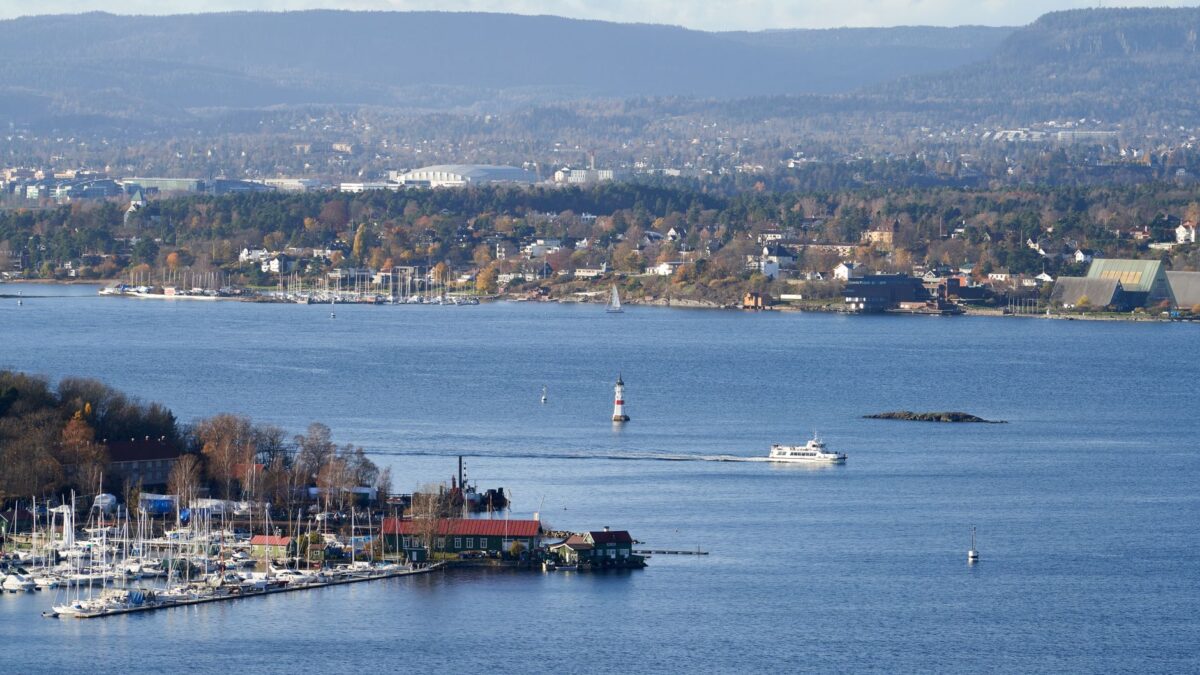
Mid-September in Oslo feels like a hinge. The light is still generous enough for a last lingering evening at an outdoor café by the fjord, but the air has turned crisp, carrying the scent of damp earth and turning leaves. Mushroom-picking season has begun under the trees of Nordmarka, and the city is buzzing with a specific energy that only exists during this brief window between summer’s end and winter’s arrival. If you are planning your trip to Norway, this month offers a rare balance: mild weather, vibrant culture, and slightly fewer tourists than the peak summer months. But as I always tell my friends visiting from abroad, timing is everything. Whether you chase the midnight sun or the northern lights depends entirely on when you book your flight.
Summer (June–August): Midnight Sun and Fjord Swims
For many travelers, summer is the obvious choice, and for good reason. During June and July, Oslo enjoys nearly 19 hours of daylight, allowing you to kayak the Oslofjord from Aker Brygge or swim in the Sørenga Seawater Pool long after sunset. This is the best time for hiking in the surrounding forests and exploring the inner-fjord islands like Hovedøya and Gressholmen via regular Ruter ferries. The weather is pleasant, typically ranging from 15°C to 25°C, making it ideal for walking up the sloping roof of the Oslo Opera House or strolling through the bronze sculptures of Vigeland Park.
However, summer comes with a premium. Accommodation prices soar, and popular spots like Bygdøy’s museums—the Fram, Kon-Tiki, and Norsk Folkemuseum—can feel crowded. You will also pay more for dining; a main course at a mid-range restaurant might cost around 300 NOK ($28), while a draft beer at a local pub could run 110–120 NOK ($11). Despite the higher costs, the atmosphere is electric. In August, Tøyen Park transforms into the site of Øyafestivalen, one of Scandinavia’s largest music festivals, drawing crowds from across Europe. If you visit now, embrace the pace. Grab a cappuccino at Tim Wendelboe in Grünerløkka and watch the city wake up late, fueled by endless daylight.
Autumn (September–October): Culture, Color, and Cost Savings
As we move into autumn, the crowds thin, and the cultural calendar explodes. September is arguably the most dynamic month for a visitor. The city hosts a constellation of events that showcase Oslo’s creative pulse. Ultima Oslo Contemporary Music Festival fills venues like MUNCH and Rockefeller with over 60 concerts and installations, while by:Larm brings up-and-coming Nordic acts to stages across the city. For art lovers, the Oslo Architecture Triennale explores themes like “What if Nature Comes First?” with exhibitions centered around Sofienberg Church.
The weather remains forgiving, often hovering around 10–16°C, though rain is likely. This is the perfect time to explore the distinct districts without battling heat or queues. Wander through Grønland Bazaar for cheap eats and multicultural vibes, or take a walk along the waterfront in Bjørvika to see the new Deichman library and the striking Barcode towers. Prices begin to drop slightly compared to summer, especially for accommodation, though dining out remains pricey. A meal at an inexpensive lunch spot will still set you back about 150–200 NOK ($16). However, there is a silver lining for longer stays: Oslo recently subsidized transit fares, bringing the monthly pass down to roughly 655 NOK ($60), making it easier to get around the city affordably.
By October, the leaves have fallen, and the days shorten significantly. While beautiful for photography, the colder temperatures and darker evenings mean fewer outdoor activities. It is a quieter, more introspective time to visit, ideal for reading in the cozy nooks of the National Museum or enjoying a hot chocolate in one of Grünerløkka’s vintage-shaded cafes.
Winter (November–March): Snow, Skiing, and Northern Lights
If you dream of snow-capped peaks and the aurora borealis, winter is your season. From November onward, Oslo transforms into a snowy landscape. Daylight is scarce, with the sun rising around 9:00 AM and setting before 4:00 PM in December. Yet, this darkness is part of the charm. It invites you indoors to experience *koselig*—the Norwegian concept of coziness. Gather around a fireplace in a hotel like Home Hotel Bastion or enjoy a fondue in a traditional cabin in the hills.
Adventure seekers should head to Holmenkollen for cross-country skiing or to catch the famous ski jump. For those willing to travel further north, Tromsø offers the best chance to see the Northern Lights, but even in Oslo, you can find peace in the quiet of Akershus Fortress grounds at night. Winter is also the season of Christmas markets. In late November and December, the area around the Opera House buzzes with stalls selling handmade crafts, gløgg (mulled wine), and warm sausages. It is magical, but be prepared for the cold; temperatures often drop below freezing.
Costs vary wildly. December holidays see a spike in hotel prices, but January and February can be surprisingly affordable. Food costs remain consistent, with a simple burger or kebab combo at Oslo Street Food costing around 150–190 NOK ($16). Public transport is reliable even in heavy snow, so rely on the Ruter app to navigate efficiently. Just remember that single fares have risen to 46 NOK ($4), so consider a daily or weekly pass if you plan to move around frequently.
Spring (April–May): Awakening and Fresh Starts
April and May are transitional months where nature begins to reclaim the city. Snow melts, crocuses push through the soil in Frognerparken, and the locals emerge from their winter hibernation. The weather is unpredictable—you might experience sunshine one hour and snow the next—but the light is improving rapidly. By May, days are long and bright, perfect for cycling along the Akerselva river or picnicking in Olaf Ryes plass.
This is a great time for budget-conscious travelers. Hotels often offer lower rates before the summer rush, and the city feels fresh and renewed. It is also a practical time to settle in if you are staying longer. For those needing to register their stay, remember that residence-permit holders must report to the police within seven days of arrival. New residents will need to secure a fødselsnummer (national ID number) to access services like healthcare and banking, a process that can take a few weeks. Spring is also a good time to pick up a prepaid SIM card from Telenor or Telia at a local Narvesen store, ensuring you stay connected as you explore the blooming city.
Practical Tips for Any Season
- Transit: Use the Ruter app for all tickets. Zone 1 covers central Oslo. Buy a physical travel card at Jernbanetorget if you prefer, but the app works seamlessly.
- Safety: Oslo is very safe. Keep an eye on your belongings near Oslo Central Station and in Grønland at night, but violent crime is rare.
- Payments: Cash is rarely used. Everyone uses BankID and Vipps for payments. Ensure you have a mobile payment method ready.
- Dining: Lunch specials (*lunsjtilbud*) offer the best value. Many restaurants serve high-quality meals for 150–200 NOK ($16) between 11 AM and 2 PM.
Frequently asked questions
What is the cheapest month to visit Oslo?
January and February are typically the most affordable months for accommodation, excluding holiday spikes. Summer is the most expensive due to high demand.
How much does public transportation cost in Oslo?
A single fare in Zone 1 is approximately 46 NOK ($4). A monthly pass was subsidized to 655 NOK ($60) in 2026, offering significant savings for longer stays.
When is the best time to see the Northern Lights?
The Northern Lights are best viewed from September to March when nights are dark. While visible in northern Norway year-round, Oslo is too far south for reliable viewing.
Do I need a visa to visit Norway?
Norway is part of the Schengen Area. Most non-EU/EEA visitors need a Schengen visa or qualify for 90-day visa-free stays depending on their passport.
What major festivals happen in Oslo in September?
September features Ultima Oslo Contemporary Music Festival, by:Larm, and the Oslo Architecture Triennale, making it a peak cultural month.
Things to do in Norway
 Northern Lights Adventure
 Northern Lights Expedition Tromsø - 6 people - Arctic Photo Guide
 Northern Lights Private tour with your special ones - Greenlander
 Special offer
Oslo's Scenic Fjord Hike & Chef's Norwegian Forest Waffle
Special offer
Oslo's Scenic Fjord Hike & Chef's Norwegian Forest Waffle
 Via Ferrata Åndalsnes West Wall
 Sleigh Ride w/ snacks - Experience Arctic Farm Life