

The best time to visit Oman
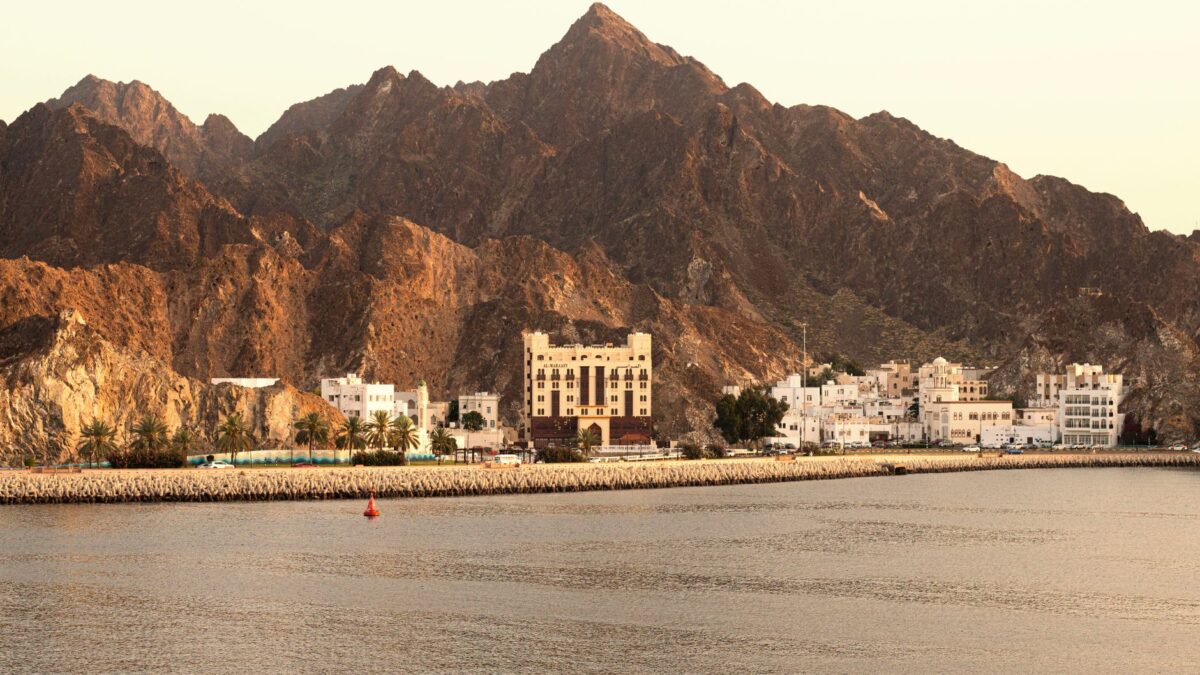
The first time I drove into Muscat in August, the heat hit me like a wall of velvet — 43°C in the shade, the sea a shimmering mirage, and the city’s white buildings glowing like lanterns against the hazy mountains. The air smelled of sand and salt, and even the pigeons seemed to be moving in slow motion. That is deep summer in Oman — and, honestly, it is not for everyone. But if you time it right, you will find a side of this country that the glossy travel brochures never show: empty forts, cool mountain evenings, and a festival circuit that comes alive precisely because everyone else has surrendered to the sun.
So when should you come? The honest answer is: it depends on what you want. Are you here for canyon swims and starry nights? For souq bargaining and royal architecture? For the thrill of a full-on Arabic summer festival? Let me walk you through the seasons, month by month, so you can pick the Oman that fits you.
Winter (December – February): The Golden Season
This is the season that most travellers dream of, and for good reason. From December through February, Muscat’s daytime temperatures hover in the low-to-mid 20s Celsius — utterly perfect for exploring the corniche in Mutrah, wandering the labyrinthine alleys of Mutrah Souq (one of the oldest continuously running markets on the Arabian Peninsula), or climbing the ramparts of Mutrah Fort (dating back to 1587). You will not need a jacket during the day, though evenings can get pleasantly sharp.
The crowds are moderate — you will meet European honeymooners and Gulf families escaping their own winters. Prices in hotels like the Mövenpick Hotel and Apartments Ghala Muscat or the Royal Tulip Muscat are at their peak, but you can still find deals if you book early. The highlight of winter is the Muscat Festival (usually running January–February), when the city turns into a giant fairground with cultural shows, food stalls, and a carnival at Qurum Natural Park. The park’s rose garden and mangrove-fringed lakes are glorious in the mild sun.
If you are into history, this is the time for the National Museum and Bait Al Zubair — both air-conditioned, yes, but you will actually want to walk between them. And the Al Alam Palace, with its blue-and-gold façade guarded by the Portuguese forts Al Jalali and Al Mirani, is best photographed in the soft winter light.
Spring (March – May): Shoulder Season, Blooming Rewards
March and April are a wonderful compromise. Temperatures climb to the 30s, but the air is still dry and the evenings remain pleasant. The Royal Opera House Muscat often has its season finale around this time — a chance to catch a world-class performance in a stunning white Omani building. The Jebel Akhdar mountains, just a couple of hours from Muscat, come alive with pink damask roses and fresh pomegranate blossoms — a perfect weekend escape from the coastal heat.
Crowds thin out after the Western Easter holidays. Prices drop noticeably from the winter peak. You will have Wadi Shab and Wadi Bani Khalid almost to yourself for those famous canyon swims — the water is still cool and the landscapes utterly dramatic. May, though, is the turning point: humidity begins to creep in, and by late May you will feel the first breath of the summer furnace.
Summer (June – September): The Fiery Heart
Now, let us be honest. Summer in Muscat is brutal. The ‘feels-like’ temperature in August regularly exceeds 43°C, with humidity that makes you want to swim through the air. The sun rises before 6 am and doesn’t set until after 6:40 pm. You cannot spend more than ten minutes outdoors without hunting for shade.
And yet, summer is actually one of the most fascinating times to visit if you want a truly local experience. This is when Omanis themselves go on holiday — the schools are closed, and families flock to the Jabal Akhdar Festival (running July 15 – August 29) in the mountain villages above Muscat. There you will find daily stage shows, a roaming carnival, a cinema dome, and a 3D hologram show — all set among fig orchards and pomegranate trees that are just coming into season. The air is cool enough to sit outside at night and watch the stars without a jacket.
Back in the capital, the Sports Flame 2026 festival (July 14 – August 15) fills the air-conditioned halls of the Oman Convention & Exhibition Centre (OCEC) — three halls this year — with 20+ sports, live screenings of the FIFA World Cup 2026 semi-finals and finals in a fan zone, a martial arts championship, and the Muscat Night Run in Madinat Al Irfan. If you are traveling with kids, this is a godsend: you can let them burn energy indoors while you sip a cardamom coffee at one of the OCEC’s many cafés.
For something more traditional, head to the Ajwaa Al Ashkhara Festival on the South Sharqiyah coast, about two hours from Muscat (through August 15). There you will see a traditional horse festival, a camel parade, a car challenge, and markets selling Omani handicrafts. The sea breeze makes the coast slightly more bearable, though do bring a hat and lots of water.
Prices in summer are at their lowest — you can often score a room at the InterContinental or the Crowne Plaza for half the January rate. The catch: you will spend most of your time indoors or undercover. The Mutrah Souq is a great place to while away an afternoon among frankincense and silver khanjars — the covered alleys keep you shaded, and the vendors are more relaxed without the crowds.
One practical warning: the Muscat Expressway is undergoing major expansion works, with overnight diversions from 5 pm to 5 am through July and August. The Qurum Natural Park roundabout and the Saih Al Malih roundabout are being converted to signalized intersections. If you are driving, expect lane shifts on the main artery — allow extra time, especially at dusk.
Autumn (October – November): The Secret Sweet Spot
If you ask me — and I am all too happy to give you my bias — October and November are the best months to visit Oman. The heat relaxes its grip and temperatures drop into the low 30s by day, mid-20s by night. The sea, which has been simmering all summer, cools enough for swimming. The turtles at Ras Al Jinz start nesting in higher numbers, and the Hajar mountains are crisp and clear for hiking.
This is the shoulder season in the best sense: the crowds of winter haven’t arrived, but the conditions are close to perfect. Prices are moderate — between summer lows and winter highs. The Daymaniyat Islands, just a short boat ride from Muscat, are superb for snorkeling, with gin-clear water and thriving coral.
November in particular is heavenly for the Mutrah Corniche at dawn, when the fishermen haul in their catch and the light turns the bay to gold. You can walk the full two kilometres from the fish market to the fort without seeing another tourist. And the Qahwa (Arabic coffee) served at the many cafés — try Qaha Specialty Coffee in Bawshar — tastes even better when the air is crisp.
Festivals & Practicalities to Keep in Mind
Oman’s calendar is dotted with festivals that can make or break your trip. The Renaissance Day on 23 July celebrates Sultan Qaboos’s 1970 accession — expect a national holiday, flag displays, and a general air of festivity. The Jabal Akhdar Festival runs mid-July to late August (check dates). During Ramadan, many restaurants are closed during the day, but the iftar buffets in hotels are spectacular — just be respectful of fasting hours. The Onam Festival for the Malayali expat community takes place in Muscat around late August (this year on August 26 at Bayt al Falaj) — cricket, tug-of-war, and a riot of colour, a testament to Oman’s multicultural mix.
For visas, apply online via the Royal Oman Police portal for a 10- or 30-day eVisa (passport valid 6+ months, accommodation and return ticket proof). Visa-on-arrival is still available for many nationalities, but the eVisa is quicker. For SIM cards, Omantel or Ooredoo sell prepaid SIMs with just a passport; postpaid needs a Resident Card. Public buses run by Mwasalat now require card or electronic payment only (cash phased out from 1 August 2026) — so download the app.
In short: Come in October or November for the perfect balance of sunshine, calm seas, and low crowds. Come in January for the festive buzz and perfect beach weather. Come in July or August only if you are a festival lover who doesn’t mind AC as your best friend. Oman will welcome you regardless — but choose your months like a wise man chooses his dates, and you will leave with memories as rich as the frankincense from the souq.
Frequently asked questions
What is the best time to visit Oman for good weather?
The best weather is from October to March, with daytime temperatures in the 20s to low 30s Celsius. October and November are especially pleasant, with fewer crowds and moderate prices.
Is it too hot to visit Oman in summer?
Summer (June-September) is very hot, with 'feels-like' temperatures often exceeding 43°C in Muscat. However, you can escape to the mountains (Jabal Akhdar) or enjoy indoor festivals like Sports Flame at the OCEC.
What festivals happen in Oman in August?
August hosts the Jabal Akhdar Festival (rose water, figs, and shows), the Ajwaa Al Ashkhara Festival on the coast, and the Sports Flame festival at the OCEC, including the Muscat Night Run.
When is the cheapest time to visit Oman?
Summer (June-August) offers the lowest hotel prices due to the heat. You can find good deals at luxury hotels, but be prepared for extreme heat and indoor activities.
Do I need a visa for Oman?
Most visitors can apply for a 10- or 30-day eVisa online via the Royal Oman Police portal. Visa-on-arrival is also available for many nationalities. Ensure your passport is valid for at least six months.
Things to do in Oman
 Private Tour to Wadi Bani Khalid & Wahiba Sand Desert with Sunset
 Private Full-Day Wadi Shab Adventure and Bimmah Sinkhole Tour
 Private Full-Day Wadi Shab and Bimmah Sinkhole Tour
 Sunset in Wahiba Sands 4x4 Adventure
 Nizwa Fort-Nizwa Souq-Birkat Al Mouz-Jebel Akhdar - Private Full Day Tour
 Private Historical Tour - Nizwa Fort - Nizwa Souq - Bahla Fort - Jabreen Castle