

The best time to visit Panama
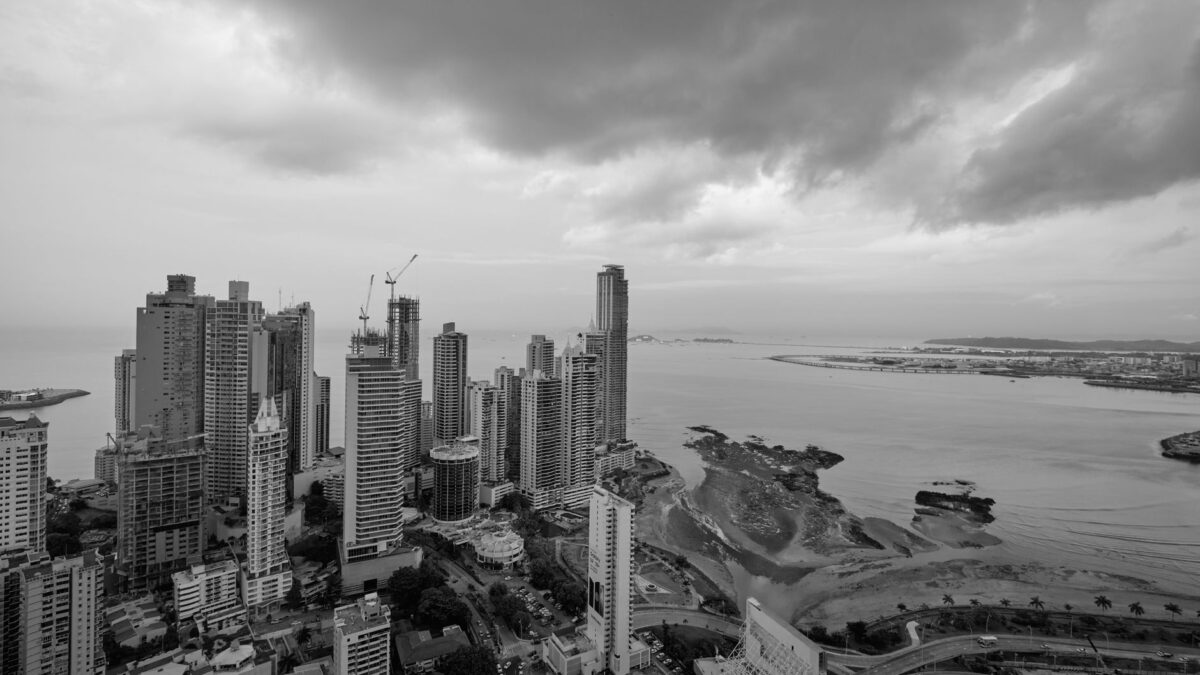
It is mid-November in Panama City, and the air feels like a warm, wet towel pressed against your face. Outside my window in Bella Vista, a light drizzle has been falling for fourteen hours, turning the Cinta Costera into a shimmering ribbon of grey and steel. The thermometer reads 25°C, but the humidity pushes the feel to 33°C. This is the soggy tail end of the rainy season. It is not the time for sunbathing on Playa Blanca, but it is the moment when the hills turn an electric, impossible green, and the city slows down just enough for you to hear yourself think. If you are planning a trip now, or looking ahead to next year, here is how I break down the seasons so you can pick the month that fits your rhythm.
The Soggy Tail: November to January
Right now, we are in what locals call the temporada de lluvias. From late October through December, expect heavy, often afternoon downpours. The skies open up with dramatic thunder, usually between 3 pm and 5 pm, leaving the rest of the day humid and bright. But do not let the rain scare you off. This is actually one of the best times to visit if you want to see the real Panama without the cruise ship crowds.
Crowds are thin. Prices for accommodation drop significantly compared to the dry season peak. You can find incredible value in districts like El Cangrejo or San Francisco, where the expat community keeps the energy high even when the rain falls. For lunch, head to a local fonda. A plate of the day—rice, beans, stewed meat, and a side—will cost you about B/.4–6 (roughly $4–6 USD). It is cheap, hot, and comforting after a walk through Parque Natural Metropolitano, where the howler monkeys are just as loud despite the weather.
Festivals define this period. Early November brings the patriotic holidays. Flag Day (Día de los Símbolos Patrios) and Consolidation of Separation Day are major events. However, due to the ongoing recovery from the recent earthquakes in the Tonosí region, celebrations have been modified. Large parades were rerouted or cancelled in solidarity, shifting the focus to smaller, more intimate gatherings in Casco Antiguo. Later in the month, around November 10th, the Primer Grito de Independencia echoes from Villa de los Santos, with polleras (traditional dresses) dancing through the streets. By late November, Christmas lights begin to flicker on along Vía España, turning the city into a ‘City of Stars’ before the tourist rush truly begins.
The Dry Season: February to April
This is the classic Panama. The rains stop, the sun beats down, and the humidity becomes manageable. This is peak season for tourism, especially for those heading to Bocas del Toro or the San Blas Islands. In the capital, the weather is perfect for walking the cobblestones of Casco Viejo, visiting the UNESCO-listed ruins of Panamá Viejo, or crossing the Amador Causeway to see Frank Gehry’s Biomuseo.
However, be prepared for higher prices. Hotels in Punta Pacífica and boutique stays in San Felipe command premium rates. If you stay in the city, use the Metro. A single ride on Line 1 costs about B/.0.35, making it easy to zip from Casco Viejo to the business hub of Obarrio without sweating. Lunch at a mid-range restaurant will run you B/.8–12, which is still reasonable given the dollarized economy.
Crowds are at their highest. You will need to book tours to Soberanía National Park’s Pipeline Road well in advance if you want to spot humpback whales, which migrate through July to October but leave behind a rich ecosystem for birders year-round. January also hosts the Panama Jazz Festival, featuring legends like Danilo Pérez, filling venues with music and drawing international visitors. If you love vibrant street life and don’t mind paying a bit more for comfort, this is your window.
The Shoulder Months: May and June
May is the great equalizer. The rains return, but often in short, intense bursts rather than the all-day drizzles of November. Temperatures rise, hitting that 28°C mark frequently. This is a sweet spot for budget travelers who want some sunshine but want to avoid the dry-season price hikes.
Housing costs remain moderate. If you are considering a longer stay, monthly rent for a modest one-bedroom flat in the city centre averages around B/.1,305. This is remarkably affordable for a fully dollarized country with first-world infrastructure. You can live well here on a tight budget by eating at street kiosks—a fried empanada or carimañola costs only B/.1–1.50—and drinking local Balboa beer for B/.2–3.
Crowds are manageable. You can wander through Mercado de Mariscos in the morning, order corvina ceviche upstairs for local prices, and watch the fishing boats unload without fighting for space. It is a good time to explore the Costa del Este district, a master-planned area that feels like Panamanian Miami, safe and green, though less bustling than downtown.
Practicalities for Any Season
No matter when you come, there are essentials to know. Panama is fully dollarised; the balboa (PAB) exists only as coins, while US dollars circulate as paper money. Inflation is near zero, and the economy is stable. Visa-free entry is granted to US and Canadian passport holders for up to 180 days per entry. You simply need a passport valid for three months, an onward ticket, and proof of solvency (around US$500).
Safety is generally good in tourist areas, but standard precautions apply. Stay on lit streets in Casco Viejo at night, and avoid wandering toward El Chorrillo or Curundú after dark. Costa del Este, Punta Pacífica, and San Francisco are consistently rated as the safest districts for residents and visitors alike. Always carry your passport or a copy with the entry stamp, as police may request ID.
Transport is efficient. The Metro and MiBus network use a rechargeable Tarjeta Metropolitana. Ride-hailing via Uber or InDrive is reliable and cheap, with cross-town rides costing about B/.3–6. For banking, Banco General is the most expat-friendly, and their Yappy app is essential for person-to-person payments. Get a SIM card at Tocumen Airport; +Móvil and Tigo offer the best coverage outside the capital.
Whether you are here for the Canal’s engineering marvels, the mola textiles of the Guna women, or simply the warmth of the people, Panama welcomes you. Come for the green hills in the rain, or the golden sun of February. Just remember to bring an umbrella, and maybe a spare pair of socks.
Frequently asked questions
Is November a good time to visit Panama City?
Yes, if you prefer fewer crowds and lower prices. It is the tail end of the rainy season, so expect humidity and afternoon showers, but the landscape is lush and green, and cultural festivals like Flag Day are celebrated.
How much does food cost in Panama?
Food is very affordable. A plate of the day at a local fonda costs about B/.4–6 ($4–6), while a mid-range executive lunch is around B/.8–12. Street snacks like empanadas are roughly B/.1–1.50.
Do I need a visa to enter Panama as a US citizen?
No. US passport holders receive up to 180 days visa-free per entry. You need a passport valid for three months, an onward ticket, and proof of approximately US$500 in solvency.
What is the best way to get around Panama City?
The Metro (Lines 1 and 2) and MiBus are efficient and cheap, using a rechargeable Tarjeta Metropolitana. Uber and InDrive are also widely used for cross-town travel, costing about B/.3–6.
When is the dry season in Panama?
The dry season typically runs from February to April. This is peak tourist season with sunny weather and minimal rain, but also higher prices and larger crowds.
Things to do in Panama
 Private Fishing in the Panama Canal, Gatun Lake
 Panama Canal Zone Bike Tour By Paradox Experience
 Day End Tour: Casco Viejo, Amador Causeway & Sabroso Panama
 Hiking Experience in Caldera Transportation Included
 Electric Bike Rental El Valle de Antón (Best Rated Activity)
 River Tubing - Fun and Nature Experience