

The best time to visit Peru
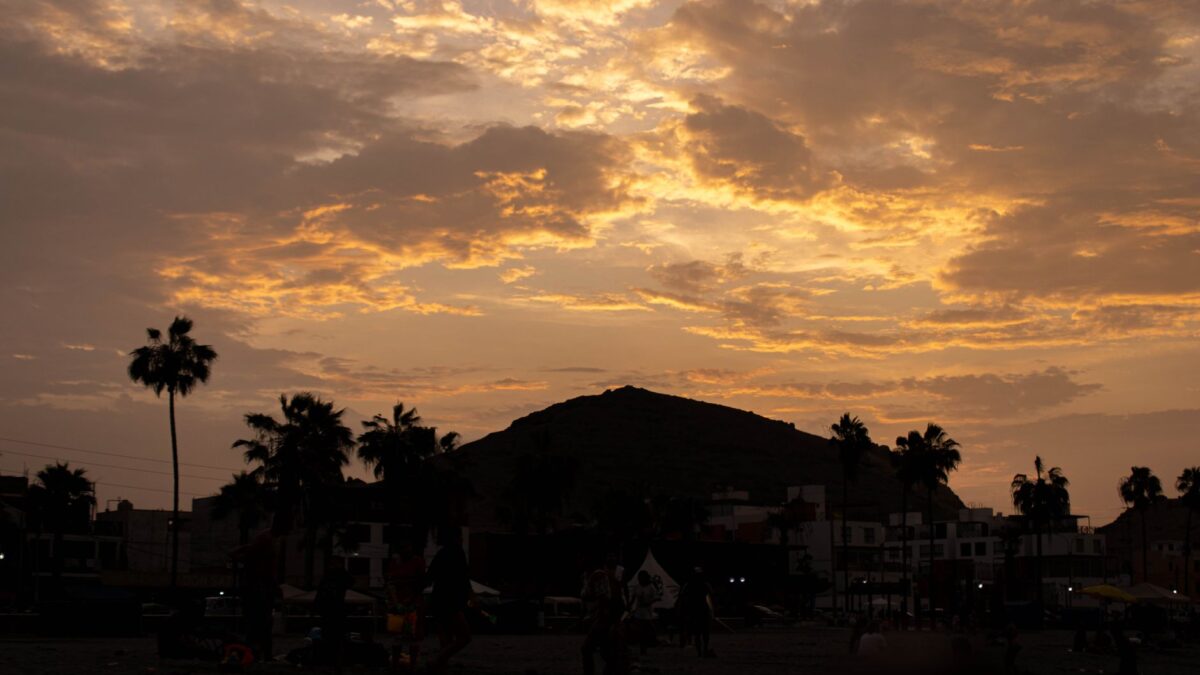
October in Lima is a study in contrasts. You step out of the Jorge Chávez airport and the air is thick, heavy with the scent of salt from the Pacific and the faint, sweet smoke of roasting corn. The sky isn’t the crisp blue you might expect from postcards; it’s a soft, luminous grey, the beginning of the *garúa*—the spring drizzle that will cling to your skin until May. But don’t let the clouds fool you. This is one of the best times to be here. The city is waking up. The streets are alive with purple ribbons tied to lampposts, signaling the start of the *Mes Morado*, and the culinary scene is buzzing with festivals that make dining out cheaper than cooking at home.
The October Sweet Spot: Weather, Crowds, and Costs
For the traveler weighing when to book, October offers a unique balance. The weather in Lima typically hovers between 20–24°C, though it can feel closer to 27°C when the humidity rises. You’ll need a light jacket for those dawn walks along the Miraflores cliffs and perhaps a fan for midday strolls, but it is far more comfortable than the peak summer heat or the damp chill of winter.
Crowds are manageable. We are not yet in the high season of July and August, so hotels and tours are easier to book. While I cannot give you an exact price for every stay, you can expect a mid-range hotel or guesthouse to cost around S/150–250 (approximately $55 USD) per night. If you’re looking to settle in for a longer trip, a modest one-bedroom flat outside the center runs about S/1,200–2,500 monthly, while a plain apartment in an ordinary district might average S/1,500. Rent has been climbing, but everyday costs remain friendly.
This is the key to surviving on a budget in Peru: food. A *menú del día*—soup, salad, main course, and drink—at an inexpensive local spot will set you back only S/15–17 (about $4 USD). Even a plate of fresh ceviche at a neighborhood *cevichería* is roughly S/25–35 ($8 USD). Eating out is not just a treat; it’s a practical financial choice for many locals, making your daily expenses very reasonable compared to North American standards.
Festivals: Purple Month and Culinary Delights
If you visit in early October, you are in for a visual and spiritual treat. The city transforms for the *Señor de los Milagros* processions. Known as the *Mes Morado*, this month sees thousands of devotees dressed in purple habits walking through the streets. The first major outing leaves the Santuario de las Nazarenas at noon on October 3rd, looping through Avenida Tacna and Jr. Chancay. Subsequent processions occur on October 18th, 19th, 28th, and November 1st.
Be aware: these processions cause significant road closures. In the historic Cercado, traffic stops completely from 12:00 to 21:00 on procession days. Public transport routes like Corredor Azul 301, 303, and 305 are rerouted. However, this is part of the experience. Walking alongside the purple-clad faithful is a profound moment of connection to Peruvian culture.
Food lovers should also note the *Festival del Turrón & Dulces* in Pasaje Porta, Miraflores, running from October 7th to 11th. Here, artisanal makers sell *turrón de Doña Pepa*, a traditional Christmas dessert made year-round with molasses, nuts, and spices. It’s sold on almost every corner in October, offering a sweet, spiced taste of tradition for just a few soles.
Navigating the City: Transport and Practicalities
Lima’s transport system is evolving. For getting around, the Metropolitano BRT is efficient and affordable. A single fare on the troncal line is S/3.20, or S/3.50 if integrated with feeder buses. The new Metro Línea 1 is even cheaper at S/1.50. ATU is rolling out a unified *Tarjeta Interoperable de Transporte* (TIT) costing S/7.50, which works across all systems. You can top these up using mobile wallets like Yape or Plin, which are ubiquitous in Peru.
Taxis require caution. Always use apps like Uber or Cabify, especially around the airport in Callao. Avoid unofficial street taxis. A short traditional taxi hop might cost S/7–10, but app rides can run S/14 or more depending on demand. For safety, stick to districts like Miraflores, Barranco, and San Isidro, where tourist police are visible. Keep valuables hidden, and remember the emergency number is 911.
Visitors from the US, Canada, UK, EU, Australia, and most Latin American countries enter visa-free. Your passport must be valid for six months with two blank pages. Entry is recorded digitally via TAM Virtual, so you won’t get a paper stamp. Overstayers face daily fines, so keep track of your 90-day allowance within any 180-day period.
Where to Stay and Eat: Local Favorites
Your choice of district shapes your experience. Miraflores is the tourist hub, offering the clifftop malecón, Parque Kennedy with its famous cat colony, and Larcomar mall. It’s safe, walkable, and close to Huaca Pucllana, an ancient adobe pyramid open for night tours. For bohemian vibes, head to Barranco. Home to the Puente de los Suspiros and the MAC museum, it’s where you’ll find Central restaurant, ranked #1 in Latin America’s 50 Best Restaurants in 2023.
San Isidro is the wealthy financial district, boasting embassies, Parque El Olivar, and top-tier dining like Maido and La Mar. Pueblo Libre is for history buffs, housing the Museo Larco—a stunning 18th-century mansion with 45,000 pre-Columbian artifacts—and the National Museum of Archaeology. The Centro Histórico, or Cercado, is the UNESCO colonial core, centered on the Plaza Mayor, where the Government Palace and Lima Cathedral stand guard.
When it comes to dining, try Casa Tambo Restaurant for authentic flavors, or grab coffee at Colmena Café or Museo del Café Peruano. For lodging, La Luna Inn and Belma Boutique Bed and Breakfast offer charming stays, while Wyndham Grand Costa Del Sol Lima Airport is convenient for early flights. If you want to explore further, take a boat from Callao to the Palomino Islands to see sea lions and Humboldt penguins, or hike the Nor Yauyos-Cochas reserve east of the city for Andean scenery.
October invites you to experience Lima not just as a transit point, but as a destination. With mild weather, vibrant festivals, and affordable eats, it’s a month that rewards the curious traveler. Plan your route, respect the processions, and savor the *turrón*. Welcome to Peru.
Frequently asked questions
What is the best month to visit Lima for good weather?
October is ideal, with temperatures around 20-24°C and the onset of the spring garúa. It avoids the peak summer heat and the heavy winter rains.
How much does a meal cost in Lima?
A menú del día at a local place costs about S/15-17 ($4 USD), while a ceviche plate is roughly S/25-35 ($8 USD). Dining out is very affordable.
Do I need a visa to enter Peru?
Most US, Canadian, UK, EU, and Australian passport holders do not need a visa. Enter visa-free with a passport valid for 6 months, receiving a digital entry record.
What public transport options are available in Lima?
Use the Metropolitano BRT (S/3.20), Metro Línea 1 (S/1.50), or ride-hailing apps like Uber. Avoid unofficial taxis, especially near the airport.
What major festival happens in October in Lima?
The Señor de los Milagros processions begin, known as Mes Morado. Major processions occur on Oct 3, 18, 19, 28, and Nov 1, causing road closures.
Things to do in Peru
 Anthropologist-Led Horseback: Moon Temple & Mysticism (Max 5)
 Food and Culture Full day Tour in the Sacred Valley
 4-Day Inca Jungle Trek to Machu Picchu: Biking, Rafting & Zipline
 The Textile Workshop Experience in Cusco Region
 Half Day Private Tour Machu Picchu Cusco Peru
 4-Day Machu Picchu , Sacred Valley and Cusco-Private Guided Tour