
The best time to visit Rwanda
You step off the plane at Kigali International Airport, and the air hits you like a warm, wet blanket. It is mid-September, and while the long dry season is finally exhaling its last dusty breaths, the first scattered showers of the short rains are beginning to kiss the hillsides green. This specific moment—when the dust settles and the grass wakes up—is where I recommend most visitors land. But Rwanda is not a one-size-fits-all destination. The ‘best’ time depends entirely on whether you are chasing mountain gorillas, conference deals, or simply the perfect weather for walking through Nyamirambo.
June to September: The High Season and Gorilla Trails
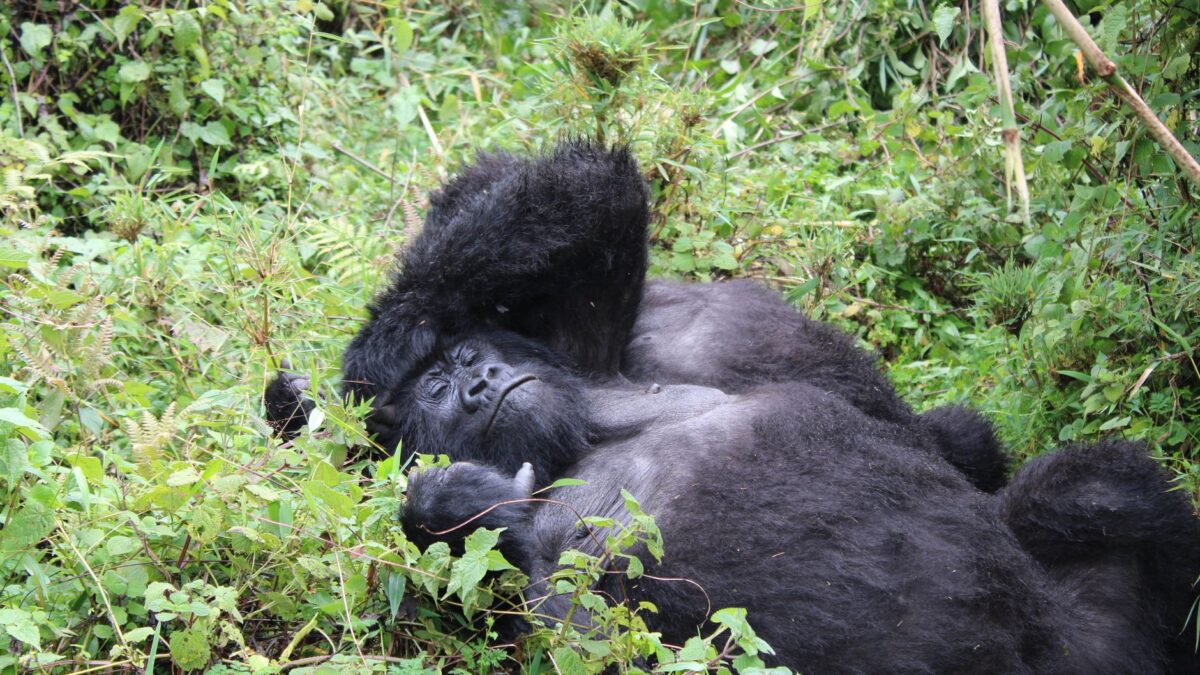
If your heart is set on Volcanoes National Park, this is your window. June through September offers the most reliable trekking conditions for seeing mountain gorillas. The trails are firm, the mud is manageable, and visibility is high. However, this is peak tourist season. You will find higher prices for permits (around US$1,500) and accommodations, and the roads can be busier than usual.
In Kigali, these months mean crisp mornings and sunny afternoons. It is ideal for exploring the Kandt House Museum in Kanombe or hiking the Nyandungu Eco-Park without worrying about sudden downpours. Just remember that rents here are climbing; a modest one-bedroom flat might cost around 350,000–600,000 RWF monthly, so budget accordingly if you plan to stay longer. For a quick bite after your hike, grab a goat brochette from a street vendor for about 800–1,500 RWF—it’s cheap, delicious, and deeply local.
October to January: The Short Rains and Cultural Vibrancy
As October arrives, the short rains begin. Do not let this scare you off; it is often my favorite time to visit. The landscape transforms into a lush, vibrant emerald, and the crowds thin out. Rain usually comes in heavy but brief bursts, leaving the city cool and fresh. This is an excellent time for city lovers who want to explore Kimironko Market early in the morning before the showers hit, bargaining for imigongo paintings with cash in hand.
Culturally, this period is rich. You might catch the Africa Food Systems Forum or other major events at the Kigali Convention Centre, which brings energy—and traffic—to areas like Kimihurura. If you are visiting during these months, expect hotel rates in the city centre to spike slightly due to delegates. However, daily life remains affordable. A cappuccino at ONECUP Coffee House will run you about 3,500 RWF, and a simple lunch buffet of rice, beans, and plantain costs roughly 2,500–5,000 RWF. Use the Yego Moto app to zip across town when the rain stops; it is safer and faster than hailing a random bike.
February to May: The Long Rains and Budget Travel
From February through May, Rwanda experiences its long rainy season. This is the low season for tourism, which means lower prices and fewer tourists. The countryside is incredibly green, and the light is soft, making it beautiful for photography. However, travel outside Kigali can be challenging. Roads to Akagera National Park or the southern provinces may become muddy and difficult to navigate, especially for self-drive vehicles. If you are staying in Kigali, the rain rarely disrupts your day entirely, but you should pack waterproof gear.
This is also a great time to experience the local rhythm without the rush. Visit the Inema Arts Center in Kimihurura for free contemporary art exhibitions and dance performances. Take a KBS bus for just 300–800 RWF to get a feel for the city’s pulse. Note that during Umuganda—the monthly community work day on the last Saturday of every month—Uber and buses pause, so plan your movements accordingly. Many locals spend this morning cleaning their neighborhoods, and joining in (or respectfully observing) is a unique cultural insight.
Festivals and Events: Timing Your Trip
Rwanda’s calendar is dotted with significant events that can make or break your trip depending on your preferences.
- Umuganda: As mentioned, this happens monthly. It is a time of national unity. Businesses close, and streets are quiet. It is a profound experience of community, but not ideal if you need to run errands.
- Arts and Conferences: Kigali has become East Africa’s MICE (Meetings, Incentives, Conferences, and Exhibitions) hub. Events like the Africa Construction Expo or the TELLS international conference draw thousands of visitors. If you love networking and modern urban energy, aim for these dates. If you prefer solitude, avoid them. The Radisson Blu attached to the Kigali Convention Centre often fills up quickly during these peaks.
- SportsBiz Africa Week: Taking over the city in September, this event includes a golf championship at Kigali Golf Resort & Villas and esports cups. It adds a layer of excitement to the city, though you may encounter road diversions near Prince House as construction projects continue.
Practical Tips for Every Season
Regardless of when you come, there are essential logistics to know. Visa-on-arrival is typically available for around US$50 for 30 days, but check the official immigration portal beforehand. Once you arrive, get a SIM card from MTN or Airtel immediately. Registering for MTN Mobile Money (MoMo) via *182# is crucial; it is how you will pay for everything from market goods to moto rides.
Safety is generally high in Kigali, ranked as one of Africa’s safest capitals. However, respect the plastic-bag ban strictly; carry reusable bags. When dining, try La Creola for traditional flavors or Le Petit Chalet for a European twist. For a rooftop view of the city, Inzora Rooftop Café is perfect. Always carry small denominations of Rwandan Francs for markets and small vendors, as change can sometimes be scarce.
The best time to visit Rwanda is when it aligns with your priorities. For gorillas, go in the dry season. For lush landscapes and lower costs, embrace the rains. For urban energy and conferences, target the major event months. No matter when you arrive, the warmth of the people—from the tailors of Nyamirambo to the guides in Volcanoes National Park—will make your trip unforgettable.
Frequently asked questions
What is the best month to see mountain gorillas in Rwanda?
The best months are June to September during the dry season. Trails are firmer, and visibility is higher, making trekking in Volcanoes National Park more comfortable.
How much does a typical meal cost in Kigali?
An inexpensive local lunch buffet costs about 2,500–5,000 RWF ($2.8). A mid-range three-course dinner for two is around 40,000 RWF, or roughly $13 per person.
Is it safe to travel to Rwanda during the rainy season?
Yes, Kigali is very safe year-round. While roads outside the capital can become muddy during the long rains (Feb-May), city activities remain accessible, and the landscape is lush and green.
Do I need a visa to enter Rwanda?
Most visitors receive a tourist visa on arrival for about US$50 for 30 days. E-visas are available in advance, and some nationalities are exempt. Ensure your passport is valid for six months.
What is Umuganda and how does it affect travelers?
Umuganda is a mandatory community service day held on the last Saturday of every month. During this time, Uber and public buses often pause, and businesses close early for neighborhood clean-ups.


