

The best time to visit Singapore
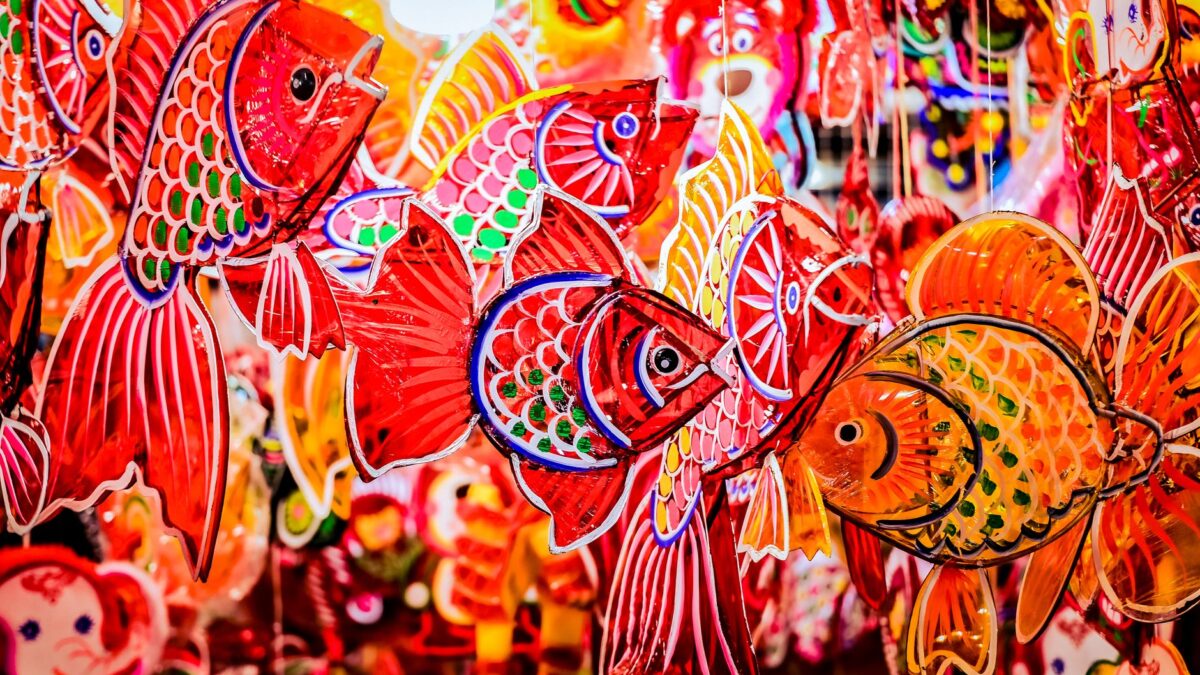
September in Singapore feels like holding your breath. The air is thick, hovering around 27–33°C with a humidity that makes it feel closer to 37°C, and the sky often takes on a greyish tint from transboundary smoke haze drifting over from Sumatran and Kalimantan fires. It is the tail end of the dry season, a time when the city’s famous greenery seems to hold onto every drop of moisture while the streets fill with the scent of roasted chestnuts and mooncakes. If you are planning a trip now, you need to know that this month offers a unique, albeit intense, cultural immersion. You will see the Mid-Autumn festival in full swing, with malls transforming into lantern gardens, but you also need to navigate the haze advisories and the bustling crowds that come with the holiday season.
The Weather: Heat, Haze, and the Tail End of Dry Season
When you step outside in September, expect the heat to be immediate. The weather forecast for mid-September shows light drizzle possible, but mostly it is hot and humid. Because of the ongoing haze issues that have pushed the Pollutant Standards Index (PSI) into the unhealthy range at times, you must check the NEA’s daily advisories before planning outdoor activities. This is not just about comfort; it is about health. If the haze is heavy, indoor attractions become your best friend.
However, this season has its own charm. The “Moonlit Garden” vibes are everywhere. At VivoCity, you can find a Sanrio-themed display at the Sky Park, while Paragon’s atrium hosts 50 bespoke rabbit sculptures. These installations are not just photo ops; they reflect the deep cultural roots of the community. For a more traditional experience, head to Jurong Lake Gardens where Lights by the Lake opens with large-scale lantern displays and cultural performances, staying up until early October. It is a beautiful sight, even if the air quality requires you to wear a mask or limit your exposure during peak hours.
Festivals and Cultural Pulse
Sepember is arguably the most visually striking month for festivals. The Mid-Autumn Festival transforms Chinatown and Little India into hubs of activity. In Chinatown, the dense historic core around the Buddha Tooth Relic Temple and Jamae Mosque is adorned with lanterns. You will see families gathering for mooncake tasting, and the hawker centres are buzzing. If you visit the Maxwell Food Centre, you can grab a plate of Hainanese chicken rice for about S$4.50–7, a staple that remains affordable despite rising food costs.
In Little India, the Tekka Centre is a sensory overload of spices, fabrics, and street food. The Sri Veeramakaliamman Temple draws pilgrims and tourists alike. Meanwhile, in Kampong Gelam, the Sultan Mosque’s golden dome shines against the skyline, and Arab Street is lined with textile and perfume shops. Haji Lane, nearby, offers boutique shopping and street art that contrasts sharply with the traditional quarters. These districts are less crowded than December but still lively due to the festival season. You can enjoy a cup of local kopi at a kopitiam for as little as S$1.40, a small price to pay for the atmosphere.
Crowds, Costs, and Practicalities
Traveling in September means dealing with moderate crowds. While it is not the peak holiday season of December, the Mid-Autumn festivities draw significant local traffic, especially in the evenings. Public transport can get busy, particularly around Sengkang LRT West Inner Loop, which is operating on a single-loop schedule due to renewal works until October 18, 2026. Bukit Panjang LRT also closes for full-day renewal on specific dates in September, so plan your bus transfers accordingly.
Cost-wise, Singapore remains expensive for accommodation but surprisingly affordable for food. A modest one-bedroom flat outside the central district rents for around S$2,800–3,500 monthly, but as a visitor, you will save on food. Hawker centres are the heart of dining here. A meal of char kway teow or laksa will cost you about S$4–9 per dish. For a more mid-range experience, expect to pay S$25–40 per person at a restaurant. Transit is easy with the SimplyGo system; you can tap your contactless bank card or use an EZ-Link card. A single MRT ride for a 14 km trip is about S$2.02, and a monthly adult transit pass is roughly S$122. Remember, no cash is accepted on buses, and fines for littering or eating on the MRT are strictly enforced.
Where to Go When the Haze Hits
If the PSI spikes, do not cancel your trip. Instead, pivot to the world-class indoor attractions. Gardens by the Bay’s Cloud Forest and Flower Dome are cooled conservatories that offer respite from the heat and haze. The Supertree Grove’s nightly light show is free and visible from many vantage points. For art lovers, the National Gallery Singapore, housed in the former City Hall and Supreme Court, holds the region’s largest public collection of modern Southeast Asian art. The National Museum of Singapore, established in 1887, provides a comprehensive look at 700 years of history.
You can also explore the Singapore Botanic Gardens, a UNESCO World Heritage Site that is free to enter. The National Orchid Garden inside is particularly stunning. For a change of pace, take a bumboat ride to Pulau Ubin to experience kampong life, or visit the Mandai Wildlife Reserve, which includes the Night Safari and Singapore Zoo. These spots are largely outdoors but offer ample shade and are less affected by surface-level haze than urban centers. If you prefer urban exploration, Tiong Bahru’s Art Deco flats and indie cafés provide a cool, stylish retreat. Katong and Joo Chiat’s pastel shophouses are perfect for a slow afternoon walk, away from the main tourist traps.
Ultimately, September in Singapore is for those who want to see the city’s cultural soul without the extreme crowds of year-end holidays. Just pack light, breathable clothing, bring a good face mask for the haze, and keep your SG Arrival Card ready. The city is vibrant, resilient, and always welcoming, even when the sky turns grey.
Frequently asked questions
Is it safe to visit Singapore in September due to haze?
Yes, it is generally safe, but air quality can fluctuate. Check the NEA’s daily PSI advisories. If the index is unhealthy, limit outdoor activities and use N95 masks indoors or out.
How much does food cost in Singapore hawker centres?
Hawker meals are affordable, typically ranging from S$4 to S$9 per dish. A plate of Hainanese chicken rice or laksa averages around S$5, making it a budget-friendly option.
What major festivals happen in September?
The Mid-Autumn Festival is the key event. Expect lantern displays, mooncake fairs, and cultural performances across malls like VivoCity and parks like Jurong Lake Gardens.
Are there any public transport disruptions in September 2026?
Yes. Sengkang LRT West Inner Loop runs on a single loop until Oct 18, and Bukit Panjang LRT has full closures for renewal in late September. Check Land Transport Guru for updates.
Do I need a visa to enter Singapore?
Many nationalities enter visa-free for 30–90 days. However, everyone must submit an SG Arrival Card within 3 days before arrival. Some nationalities require a pre-applied visa.
Things to do in Singapore
 Singapore Light to Night Bike Tour
 Private Custom Singapore Walking Tour (4–8 Hrs, Flexible Plan)
 Private Tour: Sightseeing Daytrip to Johor Bahru from Singapore
 Private Singapore Food Tour: Culture & Local Neighborhoods
 Private Singapore Walking Tour: City Highlights & Hidden Gems
 Beyond Michelin: Chinatown Hawker Food Tour with 8 Tastings