The best time to visit Slovenia
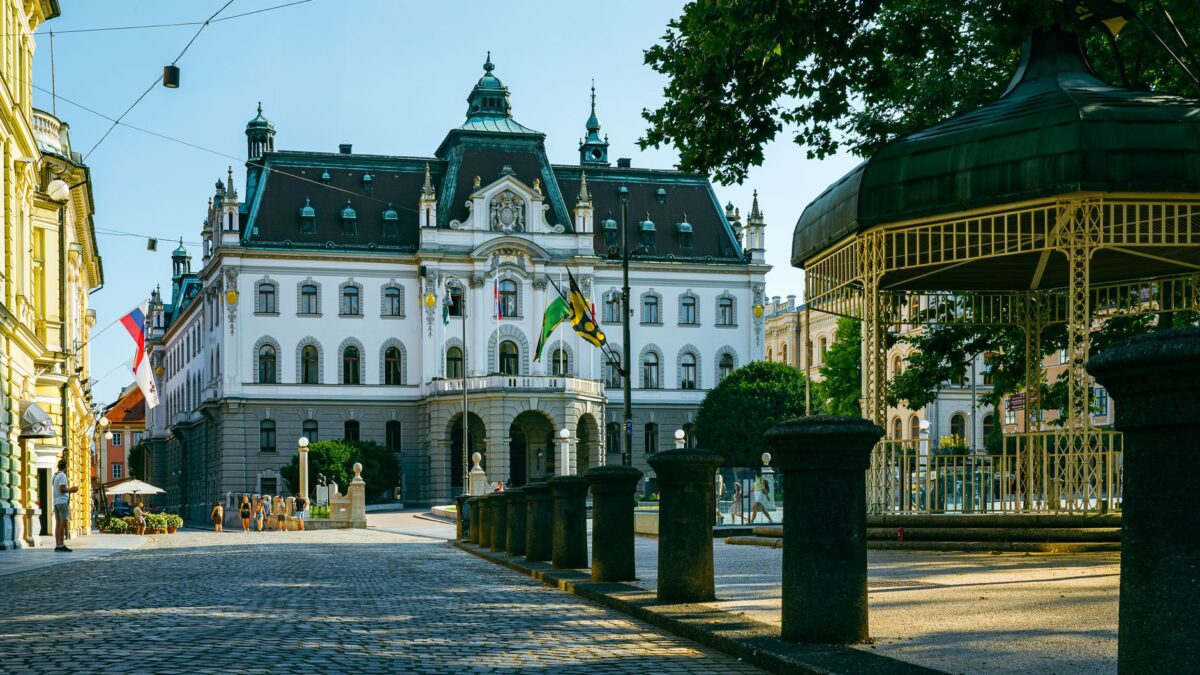
It’s 8pm on a late-August evening in Ljubljana, and the air smells of rain-soaked pavement and grilled sausage from the open-air kitchen at Odprta Kuhna. You’re sitting on the steps of Prešeren Square, watching the Triple Bridge glow under streetlights, while a jazz trio plays under Plečnik’s arcades. The thunderstorm that rolled through at 2pm has cooled everything to a perfect 21°C. You just paid €3.50 for a half-litre of local craft lager and €2.50 for a cappuccino that would cost triple in Vienna.
This is the Slovenia you came for. But the question is: when should you come?
Here’s my honest, season-by-season breakdown—from a local who’s lived through every mood of this city.
Spring (March–May): Blossoms, Empty Streets, and the First Festival
Spring is Ljubljana’s secret season. The city wakes up slowly—cherry trees explode along the river, café terraces spill onto the cobblestones, and you can still get a table at Julija without a wait. Weather is unpredictable: expect 12–18°C in April, with occasional rain. But the light is golden, and the crowds are nonexistent.
Prices are lowest outside of summer. A room at WUD hotel or Urban Ring hotel runs about 20% less than July. The Ljubljana Festival doesn’t start until June, but the city’s own cultural calendar kicks off with the Ljubljana Marathon in May (if you’re into running). The Open Kitchen (Odprta Kuhna) begins in March—every Friday, the riverside market transforms into a street-food heaven. Try the Kranjska klobasa with mustard for €5.
Pro tip: The Ljubljana Marshes (Barje) are magical in April—wetlands full of birds, and the UNESCO-listed pile-dwelling site is nearly empty.
Summer (June–August): Peak Season, Festivals, and the City at Full Throttle
Summer is when Ljubljana becomes a stage. From June through August, the Ljubljana Festival (this year, the 74th) brings world-class performances to Križanke Summer Theatre. On 29 August, Vlado Kreslin plays his traditional open-air concert there—a local institution. The Mladi Levi international theatre festival runs through the last week of August, and FeKK, the biggest short-film festival, takes over the open-air cinema beside Metelkova from 16–23 August.
But summer also brings crowds. Prešeren Square is thick with selfie-sticks, and the Dragon Bridge gets congested by mid-July. Temperatures hit 30°C, and the afternoon thunderstorms—like the one I experienced today—are a daily ritual. Rain is usually short (2mm over 2 hours), but it can interrupt your plans, so pack an umbrella.
Prices peak: a budget dinner at Čevabdžinica Sarajevo ’84 sets you back €15, but a sit-down at Restavracija Most for three courses (two people) runs around €60. Street snacks like burek are still cheap—€2–3. The real cost is accommodation: a 1-bedroom flat outside the centre goes for about €780/month, but short-term rentals double in August.
Don’t miss the Summer Promenade of Flavours on the Cobblers’ Bridge—sparkling wine and fresh summer dishes, around 22 August. And if you’re here in late August, the vibe is winding down: markets overflow with tomatoes and figs, and locals reclaim the riverbanks after the tourist tide.
One warning: construction chaos is real. Two streets—Majorja Lavriča ulica and Kavadarska cesta—are closed through 24 August for the new pedestrian overpasses over the H3 ring road. Use the Urbana card (€1.50 single fare, €37 monthly) to hop on the bus or grab a BicikeLJ bike share—your card works for both.
Autumn (September–November): Golden Leaves, Harvest, and the Post-Summer Calm
September is my favourite month, and I’m not alone. The 15th is Integration of Primorska into the Homeland, a public holiday that often means a long weekend. The weather holds at 20–24°C, but without the August crush. You can walk into the National Gallery of Slovenia without queueing, and the cafe terraces along the Ljubljanica are still full—but with locals, not tourists.
Prices drop again. The Ljubljana Festival winds down by early September, but the Open Kitchen continues through October. Harvest season brings mushroom foraging in the hills above the city—head to Šmarna Gora (664m) for a classic local hike, then reward yourself with a view.
The Ljubljana City Museum (entrance about €15) is perfect for a rainy afternoon. And if you’re a design lover, the city’s UNESCO City of Design status shines in the small galleries around Trnovo.
October is still pleasant, but November turns grey and damp—the time for museums, the House of Illusions, and the Ethnographic Museum in the Tabor district. You’ll have the city to yourself, and hotel rates are at their annual low.
Winter (December–February): Christmas Magic, Ski Trips, and the Cozy Indoors
Ljubljana’s Christmas market is one of Europe’s best kept secrets. From early December, the old town glows with lights, the smell of mulled wine and roasted almonds fills the air, and the Triple Bridge becomes a fairytale. It’s busy—but mostly with day-trippers from nearby countries, not international tourists. Prices are moderate: a cappuccino still €2.50, and a meal at Baščaršija on Trubarjeva—a Bosnian grill—costs under €15.
January is dead quiet. The city is cold (0–5°C), but the National Gallery and Plečnik House offer warmth. Skiers use Ljubljana as a base for the Julian Alps—Bled and Kranjska Gora are under an hour away. The LPP buses run fine even in snow, but I recommend walking to the castle in the crisp winter air—the funicular is for the lazy.
February brings the Slovenian Film Festival (if it aligns with your dates), but honestly, winter is for the locals—cafés like Črno Zrno Specialty Coffee or Tozd become your second home. The Metelkova clubs (Klub Gromka, Channel Zero) are still buzzing, and the alternative scene keeps the city alive.
When to Avoid: The Shoulder Truth
If you hate crowds and high prices, skip July and August entirely—unless you’re here specifically for festivals. Similarly, December is charming but packed on weekends. Your best bet for the ideal mix of weather, low prices, and local vibes: late May, September, or early October.
A note on logistics: register your address within 8 days if you’re staying long-term (you’ll need a tax number from FURS first). For short visits, just use the Urbana card—it works for buses, bike-share, and even the castle funicular. And don’t worry about safety—this is one of Europe’s safest capitals, even at 2am in Metelkova.
So pack for rain in summer, layers in spring and autumn, and a warm coat in winter. Slovenia will meet you exactly where you are—just choose the season that matches your pace.
Frequently asked questions
What is the best month to visit Slovenia for good weather and fewer crowds?
Late May and September are ideal—temperatures hover around 20–24°C, summer crowds have thinned, and prices drop. September also offers the Integration of Primorska holiday and harvest season.
How expensive is Ljubljana in peak summer?
A casual meal runs about €15, a two-person three-course dinner at a mid-range place around €60, and a cappuccino €2.50. Accommodation prices jump in July–August, so book early.
Does it rain a lot in Ljubljana in summer?
Yes, brief afternoon thunderstorms are common—like the one on 29 August 2026 with 2mm over 2 hours. They usually pass quickly, so carry an umbrella but don’t let it ruin your day.
Is Ljubljana a safe city for tourists?
Absolutely. It’s consistently ranked among Europe’s safest capitals with very low crime. Even the alternative Metelkova quarter is safe, though lively at night.
What are the must-do festivals in Ljubljana during summer?
The Ljubljana Festival (with classical concerts at Križanke), FeKK short-film festival, and the Mladi Levi theatre festival. Don’t miss the Open Kitchen outdoor food market on Fridays from March–October.


