The best time to visit Switzerland
I remember standing on the Bundesplatz last September, watching the mist lift off the Aare as decorated cows with heavy bells clattered down from the summer pastures. It was early autumn in Bern, and the air smelled of roasted chestnuts and damp earth. That specific moment—the transition from the golden heat of August to the crisp, clear light of October—is what defines Switzerland’s travel rhythm. It is not just about picking a month; it is about choosing which version of the country you want to see. The weather shifts dramatically, crowds ebb and flow, and the local festivals turn entire towns into open-air celebrations. Here is how to navigate the seasons so your trip aligns with your budget and your heart.
Summer: High Altitude Adventures and Peak Prices
If you dream of hiking beneath endless blue skies, July and August are your months. This is when the high alpine meadows are in full bloom, and the weather in regions like the Canton of Bern is reliably warm, often reaching the low 20s Celsius. However, be warned: this is peak tourist season. The popular trails around Interlaken and the Jungfrau region will be bustling, and accommodation prices hit their highest point. You will find yourself competing for space on mountain railways and booking restaurants weeks in advance.
That said, the energy is infectious. Late August brings the iconic Alpabzug, or cattle descent, where farmers bring their herds back from the high pastures in grand processions. In places like Eggiwil in Emmental, these events are legendary. If you visit then, expect a lively village festival atmosphere, complete with local music and traditional attire. For those who prefer city culture over mountain peaks, summer offers long evenings perfect for wandering through Bern’s UNESCO-listed Old Town arcades, or cooling off in the turquoise currents of the Aare river—a beloved local ritual known as ‘Aarelüger’ (Aare watchers).
Autumn: The Golden Season for Culture and Cost-Savings
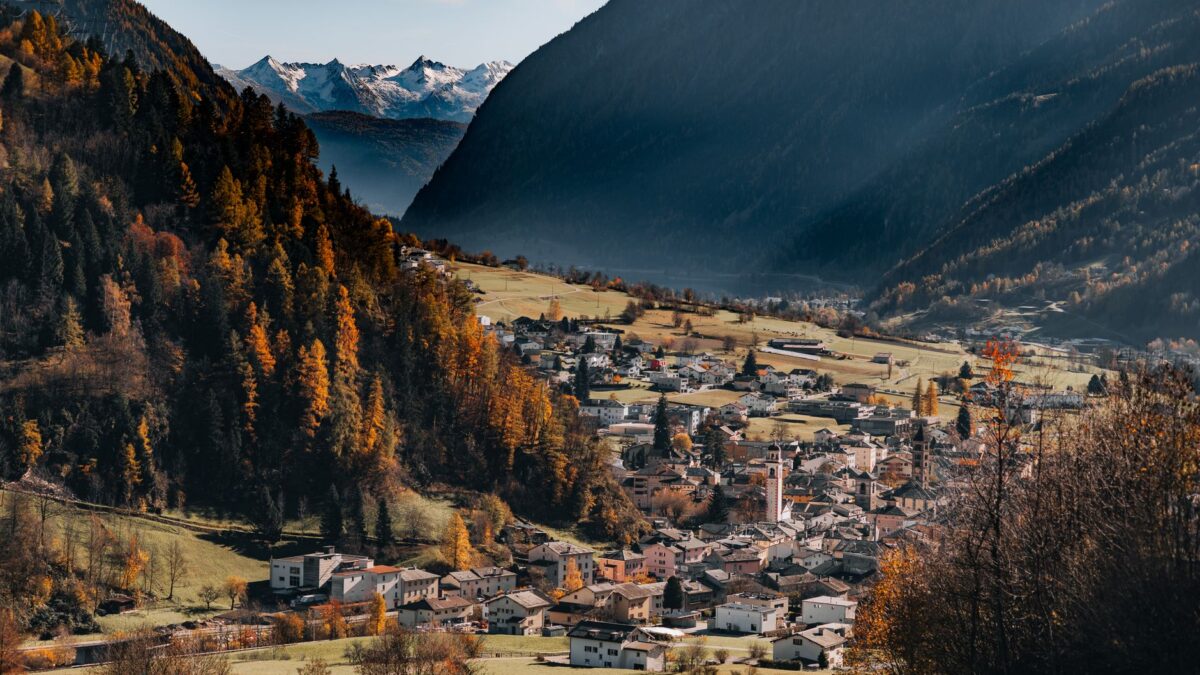
September and October are, in my opinion, the sweetest times to visit Switzerland. The crowds thin out significantly, hotel rates drop by roughly 20-30%, and the landscape transforms into a tapestry of gold, red, and amber. The weather becomes more variable—mornings can be cool and misty, while afternoons are mild—but the clarity of the air makes mountain views exceptionally sharp.
This is the season of harvest. In wine-growing villages around Lake Thun and Lake Biel, you will find open cellars and parades celebrating the grape pick. In Bern, late September often coincides with the Sichlete harvest festival on the Federal Square, where farm animals and produce stalls take over the city centre. If you are in Thun between late September and late October, do not miss the Thuner Wasserzauber. This free outdoor show features lasers, music, and water displays in the Aare basin, running nightly at approximately 19:30 and 21:15 regardless of the weather.
Culture seekers should look toward Adelboden, Frutigen, and Kandersteg in mid-to-late September for the Swiss Chamber Music Festival, where international talents perform in intimate settings. Further up in Wengen, the Chästeilet festival in late September offers a unique glimpse into alpine tradition, where cheese is divided and sold amidst folklore and live music. Autumn is also ideal for visiting museums like the Kunstmuseum Bern or the Zentrum Paul Klee without fighting through summer queues.
Winter: Snow-Capped Peaks and Festive Lights
December through February is when Switzerland turns into a postcard. The mountains are blanketed in snow, making it the prime time for skiing, snowboarding, and cozy après-ski experiences. Resorts like Zermatt, St. Moritz, and Grindelwald offer world-class slopes, but they come with a premium price tag, especially during the Christmas and New Year holidays.
For those who prefer urban charm over ski slopes, cities like Bern and Zurich shine with festive lights. The Christmas markets are magical, filled with mulled wine (Glühwein) and handcrafted goods. While it is cold—often dropping below freezing—you will find fewer tourists outside of the major holiday weeks, meaning easier access to attractions. If you are skiing, remember that gear rentals and lift passes are expensive; booking online in advance can save you money. Winter is also the best time to experience the quiet beauty of frozen lakes and snow-dusted chalets, provided you are prepared for short daylight hours.
Spring: Awakening Landscapes and Mild Breezes
March and April can be unpredictable. Snow may still linger at higher altitudes, while valleys begin to green up. This is a transitional period, often referred to as ‘shoulder season,’ which means lower prices and fewer crowds. However, some high-altitude hiking trails and mountain railways may not be fully operational until May.
By May, the weather becomes more stable, with longer days and blooming flowers. It is an excellent time for cycling along the Aare or exploring the Bremgartenwald forest near Bern. Spring is also great for photography, as the contrast between lingering snow caps and vibrant valley greens creates stunning vistas. Accommodation prices remain reasonable compared to summer, and you can enjoy outdoor cafes without the humidity of August.
Practical Tips for Any Season
No matter when you visit, practical preparation enhances your experience. Switzerland uses the Swiss Franc (CHF), and while inflation has been low, costs remain high. Budget accordingly, keeping in mind that a simple meal in a university quarter like Länggasse might cost around CHF 20-25, while a nicer dinner in the Altstadt could run CHF 60-80. Public transport is efficient; consider buying a Half-Fare card if you plan on traveling extensively. Many hotels provide a guest card that includes free local transit and access to attractions like the Gurtenbahn funicular.
Safety is generally high across the country, but always be mindful of your belongings in busy train stations like Bern HB. The Aare river is beautiful but fast and cold; swimming is safe only in designated areas and during warmer months. Finally, embrace the local pace. Whether you are attending a wine festival in Lake Biel or hiking a trail in the Alps, taking time to soak in the surroundings is the true essence of a Swiss journey.
Frequently asked questions
When is the cheapest time to visit Switzerland?
The most affordable times are typically late autumn (November) and winter (January-February, excluding holiday weeks). Summer sees peak prices, while spring and early autumn offer a balance of moderate costs and good weather.
What major festivals happen in Switzerland in September?
September features the Alpabzug (cattle descent) across various cantons, the Sichlete harvest festival in Bern, and the Chästeilet cheese division in Wengen. Wine harvest festivals are also active around Lake Thun and Lake Biel.
Is it safe to swim in the Aare river in Bern?
Swimming in the Aare is a popular local activity in summer, but it is dangerous due to the strong current and cold temperature. Only swim in designated areas and heed local warnings, particularly near bridges or rapid sections.
How much does a typical meal cost in Switzerland?
Expect to pay around CHF 20-25 for a main course in a casual café or student area, and CHF 60-80 or more for a multi-course dinner in a restaurant. Prices vary by location, with resorts being more expensive than cities.
Do I need a visa to visit Switzerland?
Many nationalities can enter visa-free for up to 90 days within any 180-day period under Schengen rules. Longer stays require a permit from the cantonal migration office, and some nationals must obtain a Schengen visa before travel.
Things to do in Switzerland
 Best of Bernese Oberlands from Luzern
 Luzern / Lucerne Professional Paragliding Tandem Flights
 Vine Stories: Lavaux & Lutry wine walk
 Likely to sell out
Alsace wine tour and medieval villages. Small group guided tour
Likely to sell out
Alsace wine tour and medieval villages. Small group guided tour
 3 Hour Unique Wine Tour - Half Day in Swiss Alps
 Lake Luzern pick and mix Tour - Burgenstock, Rigi Seebodenalp and Luzern