

The best time to visit Tanzania
When the Dust Settles: Dodoma’s Seasonal Rhythm
If you stand on the edge of Msalato just before dawn, watching the granite dome of Lion Rock turn rose-gold while the city below is still holding its breath, you realize that visiting Tanzania isn’t just about checking dates on a calendar—it’s about reading the sky. Dodoma, our capital and the heart of the Gogo highlands, doesn’t follow the same tropical rhythm as Zanzibar or the coast. Here, time is measured in dust, rain, and the parliamentary calendar.
I’m Zawadi Mushi, and I’ve lived through every shade of this weather pattern. Whether you are chasing the Great Migration in the north or planning a quiet retreat to Ruaha, the month you choose dictates your experience. Let’s break down what to expect, season by season, so you can pack light or heavy, bring your wallet or leave it at home.
The Hot Dry Spell: November to February
This is the tail end of the long dry season. If you visit in late November, like right now, you’ll find Dodoma hazy and gritty underfoot. The air feels thick, with temperatures hovering around 20–28°C but feeling closer to 32°C when the sun hits. It’s the time when everyone watches the sky for the short rains, which usually threaten in mid-November but might hold off until December.
Why go: The skies are clear, meaning perfect visibility for flights into Dodoma Airport (DOD) and road trips to nearby attractions like Lake Hombolo. The landscape is golden and serene.
The trade-off: It’s hot. Dust settles on everything, including your camera lens. You’ll want to stay hydrated—local milk costs about TZS 2,300 (≈ $0.9) per litre, and water is your best friend. Crowds are moderate; it’s not peak safari season yet, so hotels in Area D or near Nyerere Square are often available without last-minute panic.
Festivals & Events: Keep an eye out for the EU/ZIFF ‘Goes Mainland’ film festival. In recent years, it has toured mainland cities including Dodoma with free evening screenings. While specific dates shift, late autumn often brings these cultural touchpoints to Chinangali Park or local community centers.
The Short Rains: March to May
Known locally as vuli, these are the short rains. They come unexpectedly, often as heavy thunderstorms that dump hours of rain in minutes, followed by blinding sunshine. This is the greenest time of year. The acacia trees burst into bloom, and the air smells of wet earth and petrichor.
Why go: Prices drop. Hotels and tour operators slash rates to fill rooms. If you’re budget-conscious, this is your window. A meal at an inexpensive local restaurant in Makole Market might cost you around TZS 7,000 (≈ $2.7), and a three-course dinner for two at a mid-range spot like THE BISTRO could be roughly TZS 50,000 (≈ $19).
The trade-off: Roads can become challenging. While major highways like the Dodoma–Arusha route are paved, rural access roads to places like Kondoa Irangi rock-art shelters may turn muddy. Public transport, like the daladala minibuses, runs less frequently if streets flood. However, the crowds vanish. You’ll have Serengeti vistas almost to yourself.
Local Tip: This is a great time to explore Dodoma’s growing arts scene. With fewer tourists, you might catch a performance of ngoma drumming at the University of Dodoma or enjoy a quiet coffee at Bao Café without waiting for a table.
The Long Dry Season: June to October
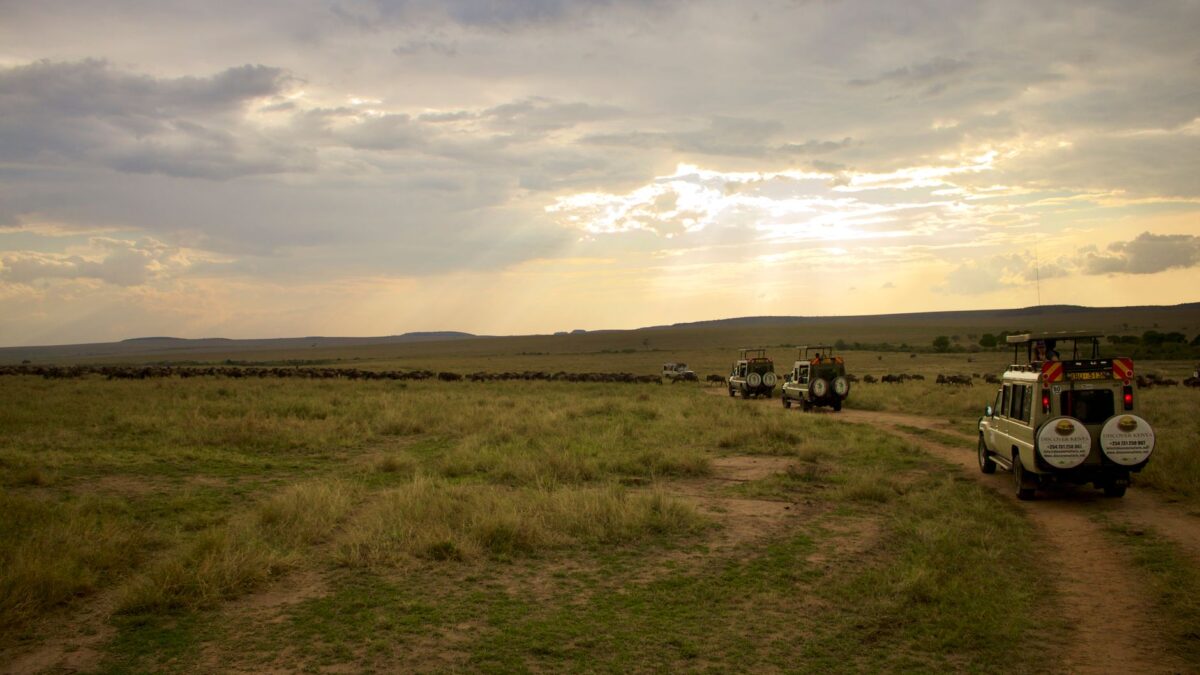
This is peak season. The weather is cool, crisp, and dry. Days are pleasant (15–25°C), and nights can get chilly, especially in the northern parks. This is when the wildlife gathers around remaining waterholes, making game viewing spectacular.
Why go: For the classic Tanzania experience. The landscapes are lush from the previous rains, animals are visible, and photography conditions are ideal. It’s also the busiest time for business travel, given Dodoma’s role as the political center. If you need to meet with ministries or attend conferences, this is when the city is most alive.
The trade-off: Expect higher prices. Hotel rates in areas like Area C (the diplomatic zone) can double. Flights book up months in advance. You’ll need to plan early, especially if you want to secure a room at a place like Spring Hills Hotel Dodoma or Inoga Luxury Hotel.
Crowds: National parks will be full. Book your tented camps well ahead. However, Dodoma itself remains relatively calm compared to Dar es Salaam. You can still enjoy a peaceful walk around Independence Square or visit the Mnara wa Mashujaa (Uhuru Torch monument) without being jostled by crowds.
Practicalities: Budgeting and Logistics Anytime
Regardless of when you visit, knowing the local economy helps. Dodoma is one of East Africa’s cheapest capitals, roughly 40% cheaper than Dar es Salaam. But prices drift, so always carry small notes of Tanzanian Shillings (TZS).
- Food: Street food is affordable and delicious. A plate of chipsi mayai (chips-and-egg omelette) costs about TZS 3,500 (≈ $1.3). A cup of cappuccino at Kahawa Cafe is around TZS 5,000 (≈ $1.9).
- Transport: There is no transit card. Pay cash. A single daladala ride is TZS 500 (≈ $0.2). A taxi base fare for a short hop is about TZS 4,400 (≈ $1.7). Always agree on the price before getting in.
- Accommodation: A mid-range hotel night averages TZS 120,000 (≈ $45). Renting a modest one-bedroom flat outside the centre costs about TZS 250,000 (≈ $95) per month.
Visas & Insurance: Apply on the official portal, visa.immigration.go.tz. US$50 for a single-entry visa (though US passport holders must pay US$100 for multiple-entry). Since October 2026, mainland Tanzania requires inbound travel insurance (about US$44), sold by the National Insurance Corporation. Carry the printed certificate; border agents check for it.
Safety: Dodoma is calm, but petty theft happens. Avoid walking alone after dark in unfamiliar wards like Mailimbili or Chang’ombe. Stick to Areas C, D, E, Kisasa, and Nkuhungu for safer evenings. Use reputable taxis or rideshare apps if available.
Final Thoughts: Choose Your Vibe
Tanzaria rewards patience. If you want heat and silence, go in November. If you want greenery and deals, brave the March rains. If you want wildlife and comfort, aim for July. No matter when you come, the hospitality remains the same. Grab a Kilimanjaro beer (TZS 2,200 ≈ $0.8) at a local bar, watch the sunset over Simba Hill, and let the rhythm of the country guide you.
Frequently asked questions
What is the best time to visit Tanzania for wildlife?
June to October is peak season for wildlife viewing, as animals gather around waterholes during the dry season. Book accommodations well in advance.
How much does a meal cost in Dodoma?
An inexpensive local meal is around TZS 7,000 ($2.7), while a three-course dinner for two at a mid-range restaurant is approximately TZS 50,000 ($19).
Do I need travel insurance for Tanzania?
Yes, since October 2026, mainland Tanzania requires inbound travel insurance (approx. US$44). Purchase via the National Insurance Corporation and carry the printed certificate.
Is Dodoma safe for tourists?
Dodoma is generally calm, but petty theft occurs in markets like Soko Kuu. Avoid walking alone at night in less familiar wards; stick to central areas like Area C or D.
How do I pay for transport in Dodoma?
There is no transit card. Pay cash for daladalas (TZS 500) and taxis (base fare ~TZS 4,400). Mobile money (M-Pesa, Airtel Money) is widely accepted for other purchases.


