

Tunisia in August 2026: what travelers should know now
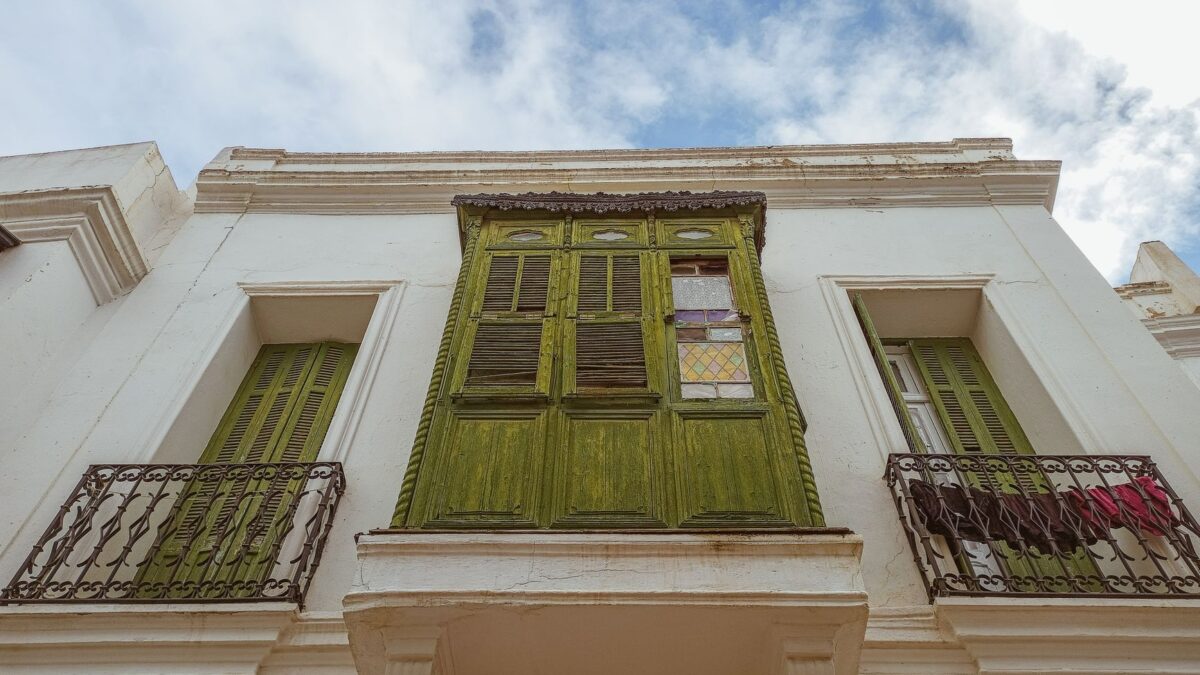
August in Tunis is a shimmering, slow-burning month. The heat sits on the city like a held breath — expect 28–42°C, often overcast but heavy, with the sun up from 05:44 to 18:57. By midday, the medina’s stone alleys radiate warmth, the cafés fill with the clink of mint tea glasses, and the only sensible move is to follow the locals: slow down, drink water, and save your sightseeing for the late afternoon and evening. This is peak summer, and the city knows it — hotels are busier, but prices are still remarkably kind compared to Europe or North America.
What August 2026 Actually Feels Like Right Now
As of today, August 25, Tunis is in the final stretch of its hottest season. The overcast skies keep the glare down but not the humidity; the heat is real, often pushing past 40°C in the city centre. Plan your days around it. Early mornings are perfect for the Bardo National Museum — home to the world’s largest collection of Roman mosaics, open Tuesday to Sunday but closed Mondays — or a stroll along Avenue Habib Bourguiba, the city’s Champs-Élysées, before the sun gets cruel.
Packing is simple: light, loose linen or cotton, a hat, sunglasses, and comfortable sandals. Bring a light scarf or shawl — not just for the mosques, but for the air-conditioned museums and restaurants that blast cold air. And don’t skip sunscreen, even on overcast days. The UV here is not subtle.
Public Holidays and What They Mean for You
August 13 is Women’s Day in Tunisia, a public holiday that resets the rhythm of the week. Banks, some shops, and government offices close, but cafés and restaurants stay open — expect family gatherings and a generally relaxed buzz. The more significant date for travellers is September 1, which marks the anniversary of the 1969 constitutional change and is also a public holiday. In the next few days, you’ll see businesses start to switch into holiday mode, and some smaller souk stalls may close early as families prepare for the long weekend.
If you’re arriving in the last days of August or early September, note that many Tunisians take their own summer holidays in this window. The medina will be lively but not overcrowded, and you’ll find that the October-to-May high season hasn’t kicked in yet — meaning you have space to breathe, but some guide services may be limited.
Where to Go and What to Eat Right Now
Start with the medina — UNESCO-listed, with over 700 classified monuments. The noise is part of the charm; the Grand Souk des Chechias still has craftsmen hand-making the signature red felt caps, though it’s a dying art. Stop at the Zitouna Mosque, its courtyard ringed by columns recycled from Roman Carthage. Then duck into Souk El Attarine, the 13th-century perfume souk, where the scents cut through the heat.
But you’re in Tunis in August, so you must eat like it. The street-food is cheap and gloriously good: a brik (crispy fried pastry with egg or tuna) from a stall costs 1–3 TND; a bowl of lablabi, that garlicky chickpea breakfast broth, runs 3–5 TND; and a fricassé — fried bread stuffed with tuna, harissa, potato, and egg — is 4–6 TND. A full meal at the Marché Central’s street-food area will set you back under 10 TND. Even a sit-down ojja, a tomato-egg stew with merguez or seafood, is only 12–14 TND at a casual local place.
For a treat, head to Sidi Bou Said — that blue-and-white clifftop village — and take a seat at Café des Délices with a mint tea with pine nuts, watching the Gulf of Tunis from the terrace. It’s the most photographed spot in the country for a reason.
Festivals, Nights, and the City’s Pulse
The big news this month is the Carthage International Festival, which runs through August. It’s one of North Africa’s premier arts events, with concerts and performances staged in and around the ancient ruins of Carthage — just a short TGM train ride from the city centre. The festival’s final nights often fall in the last week of August, so if you’re here now, you might catch a closing concert under the stars. Check the local listings when you arrive.
In the evenings, the city cools off and comes alive. Avenue Habib Bourguiba and the streets around Les Berges du Lac fill with families and friends. The lac area — Tunisia’s modern expat downtown — has malls like Tunisia Mall and a string of cafés if you want a more contemporary break from the old town.
Practicalities for This Exact Moment
- Money: The Tunisian dinar (TND) is running around 3.1 per US dollar. Budget travellers can genuinely cover lodging, food, transport, and entry fees on roughly €25–35 a day — though a night in a mid-range hotel like Ibis or Novotel class will cost 295–445 TND (≈ $120), and a palace-level dinner can run 60–120 TND a head.
- Cash is king: Taxis are metered but cash-only. Cards work in hotels and upscale restaurants, but the medina and street stalls are cash territory. Withdraw at ATMs — major banks like BIAT, ATB, and Amen Bank are everywhere.
- Getting around: The TGM light rail connects Tunis to La Goulette, Carthage, Sidi Bou Said, and La Marsa — essential for sightseeing. Buy single tickets at station kiosks with cash. The Métro léger handles the inner city. Louages (shared minibuses) are an adventure but not for the faint-hearted in this heat.
- Visa and registration: If you’re American, Canadian, British, or EU, you enter visa-free for up to 90 days. Your passport must be valid for 6+ months. If you plan to stay longer than 3 months, you’ll need to start the carte de séjour process at the police commissariat — bring your passport, photos, rental contract, and bank attestation.
- Stay safe in the sun and the crowds: The medina is atmospheric but packed — watch for pickpockets. Residential areas like El Menzah and Ennasr are considered the safest, but keep your wits about you in any crowd. And avoid rural border zones, especially after dark.
August is not the quiet month in Tunis — it’s the alive month. The festival is on, the cafés spill into the streets, and the sea breeze at La Marsa or Carthage is a nightly ritual. Come with light clothes, a curious appetite, and the patience to move at the city’s pace. You’ll leave with the taste of mint tea and the image of a thousand blue-and-white doorways.
Frequently asked questions
Is August a good time to visit Tunis?
Yes, if you can handle heat — expect 28–42°C. The Carthage International Festival is on, and the city is lively. Plan sightseeing for early mornings or evenings, and stay hydrated.
What should I pack for Tunisia in late August?
Light linen or cotton clothes, a hat, sunglasses, comfortable walking sandals, and a light scarf for mosques and air-conditioned spaces. Sunscreen is essential even on overcast days.
How much money do I need per day in Tunis?
A budget traveller can manage on about €25–35 per day covering lodging, food, and transport. Street food is very cheap — brik at 1–3 TND, lablabi at 3–5 TND, and a meal at the Marché Central for under 10 TND.
Are there any public holidays in Tunisia in late August or early September?
August 13 is Women's Day, and September 1 is a public holiday marking the 1969 constitutional anniversary. Banks and some shops close, but restaurants and cafés stay open.
Do I need a visa for Tunisia as an American or European?
US, Canadian, UK, and EU citizens enter visa-free for up to 90 days. Your passport must be valid for at least 6 months. No official e-visa exists yet — non-exempt nationals need to apply at a consulate.
Things to do in Tunisia
 VIP transfer between Tunis Carthage Airport and a hotel in Tunis
 07 -Guided day Tour Tunisia Monumental
 2D/1N Private Adventure – Explore Southern Tunisia, Douz & Tozeur
 Horseback riding with private transfer
 Dromedary Expedition with Night in Camp and Sandboard
 Excursion VIP Tunis Medina, Bardo Carthage & Sidi BouSaid