

Turkey etiquette: the dos and don’ts
It is a raw, foggy morning in Ankara right now. The temperature hovers around 1–11°C, and the city is wrapped in that distinct late-autumn grey that strips the leaves from the plane trees along Tunalı Hilmi Caddesi. As I step out of my apartment in Çankaya, grabbing a warm quince from a street vendor near Kızılay, I am reminded that Turkey is not just a postcard of sun-drenched coasts. It is a land of layered histories, sharp winters, and deeply ingrained social codes. Whether you are here for the jazz at Ankara HiltonSA or the ancient stones of the Citadel, understanding how to move through this space respectfully will transform your trip from a tourist visit into a genuine connection.
The Art of Greeting and Personal Space
In Turkey, greetings are not mere formalities; they are rituals of recognition. When you meet someone, whether it is a shopkeeper in Hamamönü or a colleague in a ministry building, do not rush to shake hands immediately. A slight nod and a warm “Günaydın” (Good morning) or “Merhaba” (Hello) sets the tone. If you are in a more traditional setting or meeting an elder, wait for them to extend their hand first. Men should always wait for women to initiate a handshake to respect personal boundaries.
Physical proximity feels closer here than in Northern Europe or North America. Do not step back if someone stands near you while talking; it can be interpreted as coldness or disinterest. Instead, maintain eye contact and smile. In places like the bustling Kızılay district, where the metro interchange meets the noise of student life, crowds are dense. If you accidentally brush against someone, a quick “Affedersiniz” (Excuse me) is essential. It acknowledges the shared space with humility.
Dining: Hospitality, Coffee, and the Check
Turkish dining is about abundance and sharing. If invited to a home, bringing a small gift—perhaps chocolates or flowers—is polite, though not strictly mandatory. At a restaurant, the table will likely arrive with meze (small plates). Try everything; it is part of the experience. When eating with others, never start until the host says “Afiyet olsun” (May it be good for you).
Coffee culture is sacred. You will see people lingering over Turkish coffee or cappuccinos for hours. If you are at a café like Verte Coffee House or Amelie’s Garden, do not rush your order. Wait for the server to approach, even if you have been seated for ten minutes. This is not poor service; it is a rhythm of conversation. When the bill comes, there is often a subtle tug-of-war over who pays. If you are the guest, let your host pay. If you are splitting, ensure you offer to pay your share clearly. In modern spots, card payments are ubiquitous, but carrying some lira cash is wise for smaller establishments or tips.
Speaking of money, tipping is appreciated but not aggressive. For a meal at a place like L’avare Sokak or Bogazici Lokantasi, leaving 5–10% is standard if service was good. For street food—a simit for roughly ₺15 or a lahmacun for ₺130—rounding up or leaving small change is sufficient. Never leave coins on the table after a sit-down meal unless instructed; place them in the payment tray or give them directly to the server.
Dress Code: Context is King
2>
Ankara is conservative, but its conservatism varies by neighborhood. In Kavaklıdere and Gaziosmanpaşa, where the embassies and leafy parks dominate, dress is Western and relaxed. However, when visiting religious sites, modesty is non-negotiable. At Kocatepe Mosque, the largest in the city, women must cover their heads, shoulders, and knees. Men should avoid shorts. Carry a light scarf in your bag; it is useful for both mosques and unexpected chilly evenings.
In public markets and older districts like Ulus, dressing neatly shows respect. Avoid overly revealing clothing in these areas. During the colder months, layering is practical and stylish. The fog in Ankara can turn damp quickly, so a waterproof jacket is more useful than a fashion statement. Remember, looking put-together signals that you value the environment you are in.
Navigating Public Transport and Streets
Getting around Ankara requires a Başkent Kart (often called AnkaraKart). Buy one at staffed booths in Kızılay or AŞTİ. The full fare is about ₺40, with transfers costing less within 75 minutes. Use the EGO CEP’TE app to track buses, which is crucial given the city’s sprawl. On buses and the metro, offer your seat to the elderly, pregnant women, or those with disabilities. It is a universal expectation. If you are holding a heavy bag, try to keep it off adjacent seats. In crowded stations like the Karanfil Sokak exit, hold onto handrails and avoid blocking doors.
Social Customs and Small Courtesies
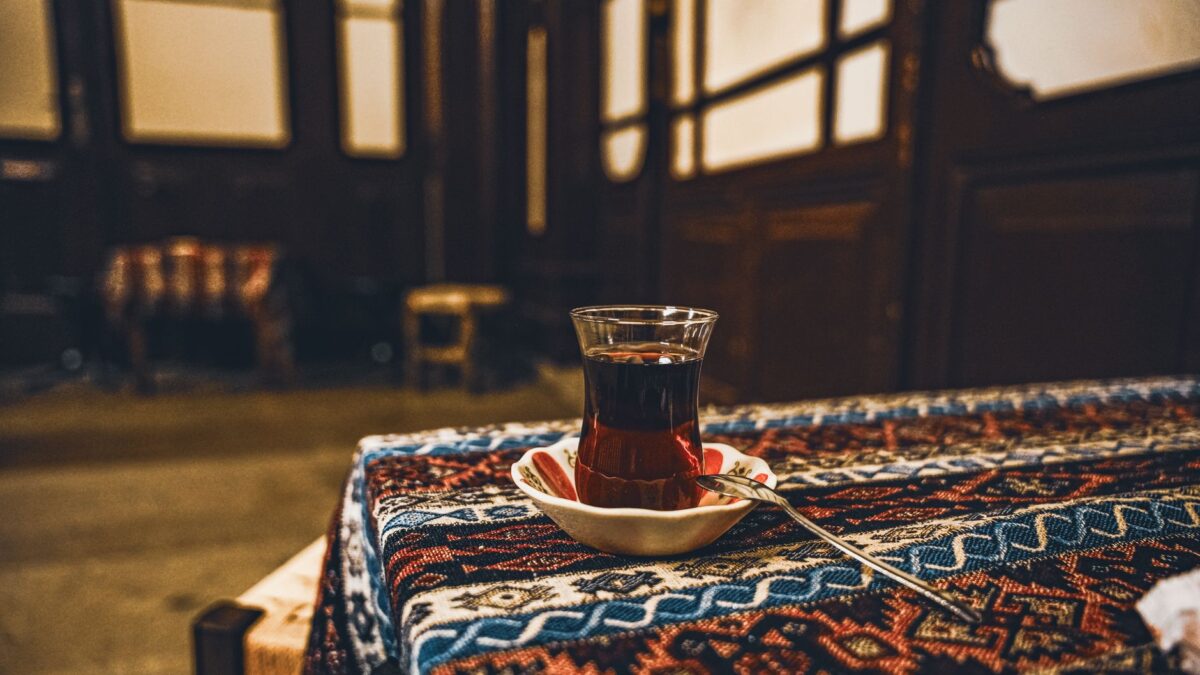
Turks are famously hospitable. If you decline a drink offered by a local, do so gently and firmly once. Second offers are common, and refusing twice may be seen as rude. Accepting a glass of çay (tea) is a sign of goodwill. Similarly, if someone compliments your appearance or your language skills, a simple “Teşekkür ederim” (Thank you) suffices. Do not deflect with false modesty; accept the compliment graciously.
Photography etiquette matters. Always ask permission before taking photos of people, especially in rural areas or traditional neighborhoods. In places like the Museum of Anatolian Civilizations, photography without flash is usually allowed, but check signs. In religious sites, silence is expected. Lower your voice and keep phones on silent.
Handling Disagreements and Noise
Turkish conversations can be loud and animated. This is not anger; it is passion. If you find yourself in a heated discussion, remain calm and polite. Raising your voice in response may escalate things unnecessarily. In public transport or queues, patience is key. Cut-ins happen, but confronting them aggressively is rarely productive. A firm “Lütfen sıra bekleyin” (Please wait your turn) is enough.
Practical Tips for the Considerate Visitor
Keep your trash with you until you find a bin. Ankara’s streets are generally clean, but littering is frowned upon. If you smoke, use designated areas and dispose of cigarette butts properly. In parks like Kuğulu Park, respect the wildlife and nature; feeding animals is often prohibited.
When interacting with service staff, use polite language. “Efendim” (Sir/Madam) is a versatile term of respect. Thanking people sincerely goes a long way. If you make a mistake in Turkish, locals will appreciate the effort and likely switch to English to help you. Be open to this assistance.
Finally, embrace the unpredictability. Plans may change due to weather, strikes, or cultural events like the Ankara Jazz Festival. Flexibility is a virtue here. By observing these small customs, you show that you are not just passing through, but participating in the life of the country. Welcome to Turkey, and enjoy the warmth of its people.
Frequently asked questions
How much should I tip in Turkey?
Tipping is appreciated but not mandatory. For restaurants, leaving 5-10% is standard if service was good. For street food or cafes, rounding up the bill or leaving small change is sufficient.
What should I wear when visiting mosques in Ankara?
Modesty is required. Women must cover their heads, shoulders, and knees. Men should avoid shorts. Carrying a light scarf is recommended for unexpected visits to places like Kocatepe Mosque.
How do I pay for public transport in Ankara?
Use a Başkent Kart (AnkaraKart), available at staffed booths. The fare is approximately ₺40, with cheaper transfers within 75 minutes. Contactless bank cards work but cost more.
Is it okay to take photos of people in Turkey?
Always ask permission first. It is especially important in rural areas, traditional neighborhoods, and religious sites. In museums, check for specific rules regarding flash photography.
What is the custom for accepting drinks in Turkey?
Hospitable hosts often offer multiple times. Accept the first offer politely. If you decline, do so gently and firmly once; refusing twice may be seen as rude.


