

United Arab Emirates in October 2026: what travelers should know now
The humidity has finally broken. If you’ve been watching the thermometer climb into the high thirties for months, October 2026 feels like a exhale. The air in Abu Dhabi is shifting from heavy and wet to crisp and clear, marking the hinge between the long, humid summer and the start of the outdoor social season. Evenings are finally bearable, thick fog rolls across the highways before dawn, and the city’s food, arts, and sporting calendars switch back on at once. As a local host, I can tell you this is one of the most vibrant times to visit, but it requires a bit of navigating around the seasonal rush.
Weather: Pack for the Fog, Not the Heat
Right now, as of mid-October, the verified weather forecast hovers between 29°C and 38°C with overcast skies. It’s warm, but the oppressive stickiness is gone. However, there is a specific atmospheric phenomenon you need to plan for: dense overnight and early-morning fog. This is not just a minor inconvenience; it keeps visibility under a kilometre in places and forces police to drop motorway limits to 80 km/h on key routes like Sweihan Road, Sheikh Tahnoon bin Mohammed Al Nahyan Road, and Nahil Road (10–13 October 2026).
If you are renting a car or driving to the airport during these early morning hours, leave yourself extra time. The light winds (06:18–17:59) are gentle, so pack layers—a light jacket or cardigan for those foggy mornings and cool evenings. The sun is still strong, so sunscreen remains essential, but the threat of heatstroke has largely passed. You can now comfortably walk the Corniche or explore Saadiyat Island without the midday lethargy that defines the summer months.
Events & Cultural Pulse: Food, Coffee, and Symphony
This month is defined by a surge in cultural programming. Abu Dhabi is waking up. The biggest headline is Global Food Week 2026 and the second Global Food Security Summit taking over the ADNEC Centre. Running from 6–8 October, this event has opened its B2C hall to the general public for the first time. This is your chance to buy directly from 150+ Emirati farmers, breeders, and beekeepers. It’s a fantastic way to taste local produce—think date varieties, laban cheese, and fresh honey—straight from the source.
Following that, Tegahwa Alhazm, an international specialty-coffee and luxury-chocolate exhibition, fills ADNEC Centre from 10–17 October. Open to the public into the evening, it’s a great spot for coffee enthusiasts to explore local roasters. For art lovers, the Abu Dhabi Festival 2026 opens its season on 10 October with the UAE National Orchestra performing Suppé, Rachmaninoff, and Dvořák at Etihad Arena on Yas Island. The festival runs until 19 December, so if you miss the opening night, tickets are likely still available.
Also worth noting is Emirates Development Bank’s ‘The Current of Growth’ exhibition at Abu Dhabi Energy Centre (14–15 October). It showcases 100+ UAE-made products, including electric motorcycles, autonomous firefighting drones, and building materials made from fungi and date-palm waste. It’s a glimpse into the economic diversification efforts that define the current political and business mood under President Sheikh Mohamed bin Zayed Al Nahyan.
Transport & Traffic: Navigating Weekend Closures
Public transport in Abu Dhabi is efficient, cheap, and cashless. A single city bus fare is just AED 2 (≈ $0.5) using the Hafilat smart card. If you plan to move around frequently, a 30-day unlimited pass is AED 95 (≈ $26), which is incredibly good value compared to taxi fares. You can buy an anonymous Hafilat card for AED 10 (≈ $2.7) at ticket vending machines, Lulu Hypermarket, or SPAR stores.
However, if you are driving, be aware of significant roadworks. Two right-hand lanes of Shakhbout Bin Sultan Street heading towards Al Ain are closed all weekend (23:45 Friday – 06:00 Monday, 9–12 October 2026). This is snagging airport-bound and Khalifa City traffic right as expat families return from the October half-term. If you are flying out or into Zayed International Airport via Khalifa City during this window, expect delays. Consider using the intercity bus to Dubai (AED 25 ≈ $7) if you are traveling north, but allow for buffer time due to the congestion.
Where to Stay & Cost of Living Snapshot
Abu Dhabi offers distinct districts for different types of travelers. Saadiyat Island is the cultural anchor, home to the Louvre Abu Dhabi and Zayed National Museum, offering premium beachfront living. Yas Island is the entertainment hub, featuring Ferrari World, Warner Bros. World, and the Yas Marina Circuit. Al Reem Island provides modern high-rise urban living popular with young professionals, while Al Maryah Island is the financial district with upscale shopping at The Galleria.
In terms of costs, housing is mid-to-high. A modest one-bedroom flat in the city centre rents for about AED 5,000–5,500 (≈ $1,430) monthly, while outside the centre it’s around AED 3,700–4,100 (≈ $1,060). For short-term stays, a mid-range hotel in the city centre runs about AED 580 (≈ $160) per night, with budget options starting at AED 250–400 (≈ $90). Note that rent is often paid via annual cheques, though this is changing for tourists and short-term visitors.
Practical Tips for Arriving Now
Visitors from many countries, including the UK, EU, and US, receive a visa on arrival. Short-stay tourist visas are common and extendable. If you are staying longer, remember that new residents must register their tenancy contract on Tawtheeq (via the TAMM platform using UAE PASS) before setting up utilities with ADDC or parking permits with Mawaqif. Banking is straightforward; major banks like First Abu Dhabi Bank (FAB), ADCB, and Emirates NBD have numerous branches. Bring your employment contract or salary certificate if you’re applying for a resident account.
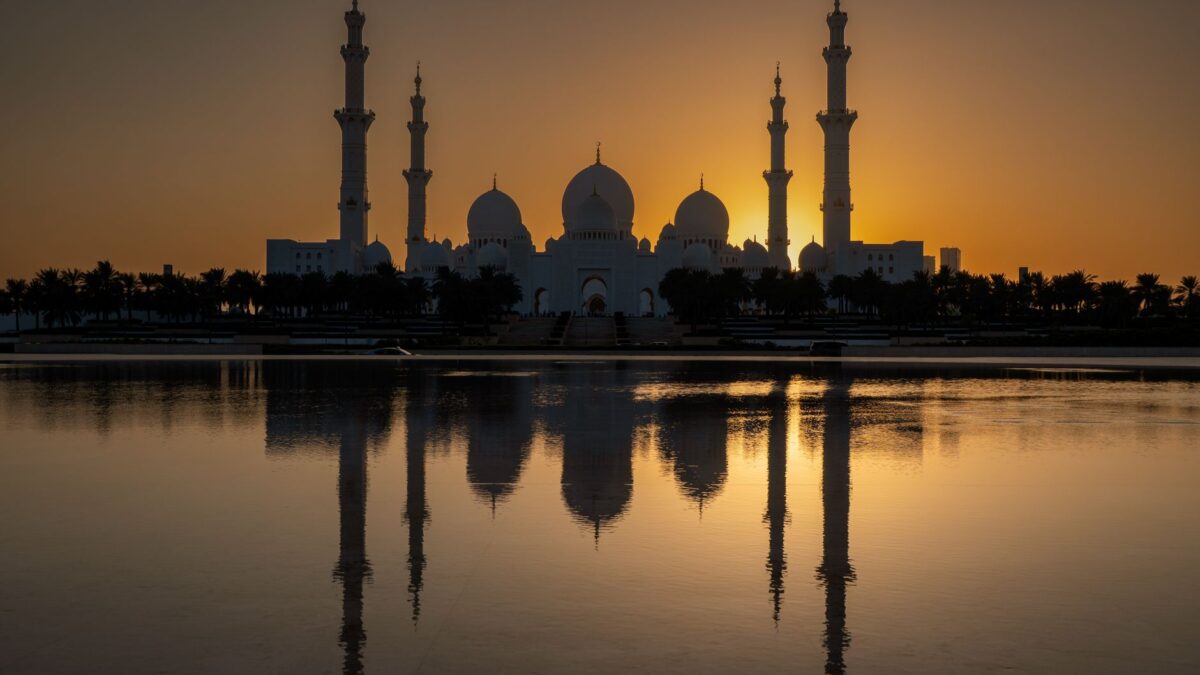
Safety is high; Abu Dhabi is consistently rated very safe with low crime. The city is clean and well-planned. Don’t miss the Sheikh Zayed Grand Mosque—one of the world’s largest, with 82 domes and the world’s largest hand-knotted carpet. Entry is free, and guided tours are available. Also, visit Qasr Al Hosn, the emirate’s oldest surviving building, to understand how Abu Dhabi grew from an 18th-century pearling village to a modern capital.
As the weather cools and the fog lifts, the city opens up. Enjoy the coffee, the culture, and the clear blue skies. Welcome to Abu Dhabi in October.
Frequently asked questions
Is it safe to drive in Abu Dhabi during October fog?
Yes, but expect reduced speeds. Police drop motorway limits to 80 km/h on roads like Sweihan and Nahil when visibility drops below a kilometre. Allow extra travel time for early morning commutes.
What major events are happening in Abu Dhabi in October 2026?
Key events include Global Food Week (6-8 Oct) at ADNEC, Tegahwa Alhazm coffee exhibition (10-17 Oct), and the Abu Dhabi Festival opening at Etihad Arena (10 Oct).
How much does a bus ride cost in Abu Dhabi?
A single city bus fare is AED 2 (approx. $0.5) using the Hafilat smart card. An anonymous card costs AED 10, and a 30-day unlimited pass is AED 95.
Are there road closures affecting airport travel this week?
Yes, two right-hand lanes of Shakhbout Bin Sultan Street towards Al Ain are closed from Friday 23:45 to Monday 06:00 (9-12 Oct), impacting traffic to Khalifa City and the airport.
What is the typical weather in Abu Dhabi in mid-October?
Temperatures range from 29°C to 38°C with overcast skies. Humidity decreases significantly, making evenings pleasant, though morning fog is common.


