
United States etiquette: the dos and don’ts
The air in Washington, D.C., in mid-August is a wet blanket you can almost chew. It’s 34°C and overcast as I walk through the empty, sun-baked streets of Capitol Hill, past the Victorian rowhouses and the scent of ripening peaches from the farmers market. The city is in that late-summer lull — locals have fled to the REACH lawn or a beer garden at dusk, and the tourists are braving the humidity with frozen lemonades.
But here’s the thing: you’re not just visiting a city. You’re visiting the capital of the United States, where the small customs — how you greet, how you tip, how you smile — can make or break your experience. Let me be your local friend. I’ve lived here long enough to know the unspoken rules. Follow these, and you’ll leave with more than just photos of the Lincoln Memorial.
Greetings: The Art of the American Smile
Americans are famously friendly, but D.C. has its own rhythm. When you meet someone, a firm handshake is standard — not too hard, not limp. Eye contact is non-negotiable; glance away and people will think you’re hiding something. Among friends, a quick hug is fine, but for strangers or acquaintances, keep it to a handshake.
A few things to note:
- “How are you?” is a greeting, not a question. The correct response is “Good, you?” — and then keep walking. Do not launch into a detailed account of your flight delay.
- First names come fast. Even your waiter will introduce themselves as “Sarah” and expect you to call them that. Don’t be shocked by the informality.
- Personal space matters. Keep about an arm’s length distance in conversation. Americans are a bit sensitive about this.
- If you’re visiting in 2026, you’ll hear a lot about “America250” — the country’s 250th birthday. If someone mentions it, a smile and “Happy birthday to you, too!” is a perfect icebreaker.
One D.C. quirk: people talk politics. It’s the city’s oxygen. If you don’t want to dive in, just say “I’m still learning about your system” and change the subject to the Smithsonian.
Tipping: More Than a Casual Thank You
Tipping is not optional here. It’s how service workers make a living. In D.C., the standard is:
- Restaurants: 15–20% on the pre-tax total. Even for a quick lunch at a food hall like Union Market, a few dollars in the tip jar is expected.
- Bars: $1–2 per drink, or 15–20% if you run a tab.
- Taxis and ride-shares: 10–15%.
- Hotel staff: $1–2 per bag for the bellhop, $2–5 per night for housekeeping.
- Guides and tours: 10–20% for a good experience.
If you’re enjoying a prix-fixe dinner during Alexandria Restaurant Week (running through August 23, 2026), where meals are roughly $35, $45, or $55, remember the tip is extra. A $35 meal plus 20% is $42 — budget accordingly.
One exception: fast-food counters and coffee shops often have a tip jar, but it’s not mandatory. If you just grab a drip coffee at a local café like Big Bear Cafe, a loose dollar is polite, but you’ll survive without it.
Dining Manners: Fork, Knife, and the Half-Smoke
American table manners are more relaxed than many European countries, but there are rules. First, the fork stays in your right hand when eating, but when you need to cut, you switch the fork to your left hand — the “zigzag” style. That’s how Americans do it, and no one will correct you if you use the European style instead.
Other essentials:
- Wait to be seated. Unless you see a “Please seat yourself” sign, stand at the entrance until a host checks you in.
- Ordering is direct. Don’t call the waiter “garçon” or “waiter” — just say “excuse me” or catch their eye. They’ll come over.
- Bread baskets are free, but don’t stuff your pockets. That’s a bit tacky.
- When you’re done, place your fork and knife diagonally across the plate — fork tines facing up, knife blade inwards. That signals you’re finished.
Now, a D.C. specialty: the half-smoke. This spicy, coarse-ground sausage, often served at Ben’s Chili Bowl on U Street (since 1958), is a local icon. Eat it with a fork and knife — it’s messy. And if you’re at a Nationals game at Navy Yard, a hot dog with onions and mustard is the only acceptable way.
Don’t be surprised if your server asks, “Still working on that?” They’re just checking if you need more time. It’s polite, not pushy.
Dress Code: Humidity Is the Boss
Washington, D.C., is a business-casual town by day, casual by night. The federal vibe means men wear khakis and button-downs, women wear sundresses or slacks, but in August, you’ll see sweaty tourists in shorts everywhere — and that’s fine.
Here’s the practical guidance:
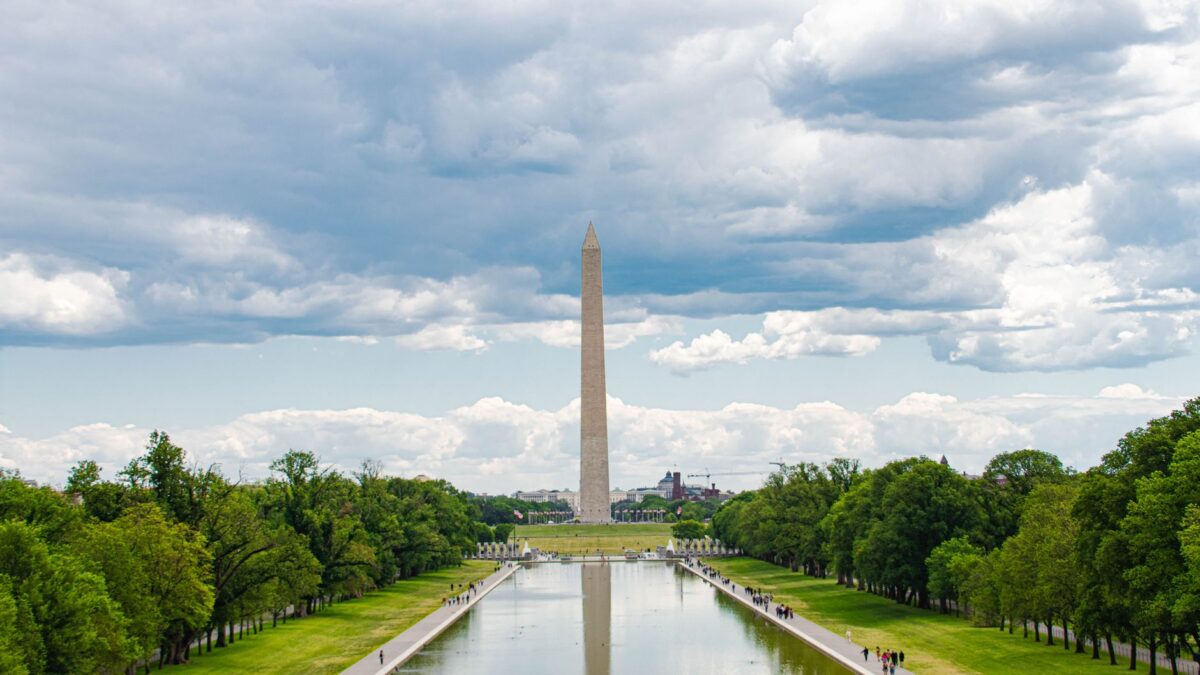
- Wear comfortable shoes. The National Mall is two miles long. You’ll walk more than you think. I’ve seen people in heels limp past the Washington Monument — don’t be them.
- Bring a light jacket. Museums are air-conditioned to Arctic temperatures. The Smithsonian National Air and Space Museum, for example, is freezing.
- If you’re dining somewhere upscale, like a restaurant in Georgetown or near Dupont Circle, resort casual is safe. A collared shirt for men, a nice top for women — no ball caps.
- Athleisure is everywhere. Yoga pants and sneakers are accepted almost anywhere except the finest dining rooms.
And a note on the heat: the weather is around 22–34°C with humidity. It’s not unusual to see locals in linen suits and still be sweating. Just accept it. Carry water; you can refill at any Smithsonian with a bottle.
Small Customs: The Unwritten Rules
There’s a rhythm to D.C. that outsiders miss. Here’s what locals care about:
- Escalators: stand right, walk left. In the Metro stations, the left side of the escalator is for rushing commuters. Stand on the right or you’ll get death stares.
- SmarTrip cards are like gold. Get one at a station kiosk for about $2. It never expires, and it works on the Metrorail, Metrobus, and the $1 DC Circulator. Also, tap your contactless credit card at the faregate in a pinch. Avoid buying cards from random street vendors — there’s a known scam with fake cards.
- Rush-hour towing is real. Never park on major streets past 3:15 pm on weekdays. The signs say no parking, but the towing is instant. Use the ParkMobile app for street parking.
- If you’re in a museum, don’t touch the art. Obvious, but in the National Museum of African American History & Culture, there are emotional moments — people cry, and that’s okay. Just don’t hug the exhibits.
- Go-go music is the sound of D.C. If you hear it at a street festival or in a restaurant, don’t be shy — nod along. It’s the city’s own invention, made famous by Chuck Brown.
One thing to remember: D.C. residents are proud of their city but a little tired of the “federal city” stereotype. Mention that you love the Ethiopian food (it’s the best outside Addis Ababa) or that you caught a free show at the Kennedy Center’s Millennium Stage (every day at 6pm), and you’ll make friends.
Navigating the City’s Mood: A Summer of Celebration and Change
Summer 2026 is not just any summer. It’s America’s 250th birthday. The city is buzzing with America250 events, but there’s also a quiet political undercurrent — the fight for statehood, the “Taxation Without Representation” on license plates, the fact that D.C. residents still have no voting member of Congress. If you’re here, you’ll see protest signs and perhaps a parade or two. That’s part of the experience — it’s democracy in action.
When you visit, be cautious but open. The tourist core — the Mall, Georgetown, Capitol Hill — is safe and heavily patrolled. Elsewhere, safety varies block to block by ward, so stick to well-lit streets at night, especially in Adams Morgan if you’re out late (no direct Metro, so take the Circulator or a ride-share).
Don’t miss the Smithsonian Castle — it’s temporarily reopened after a 2023 renovation, showing the “American Aspirations” exhibition with Amelia Earhart’s flight suit and Jefferson’s desk (only through September 7, 2026). And note that the American Art Museum’s 18th-to-early-20th-century galleries are closed for renovation until fall 2026 — plan around it.
If the weather gets too much, duck into a museum. Most are free. The National Museum of Natural History is a classic, but the National Museum of African American History & Culture requires a timed pass — book ahead. The Air and Space Museum also needs a pass. It’s worth it.
At dusk, join the locals on the REACH lawn at the Kennedy Center or at a beer garden in Navy Yard. Order a cold beer, watch the sun set over the Potomac, and you’ll feel the city exhale.
Last Bits of Advice
Here are a few more things I wish every visitor knew:
- If you’re staying at a hotel like The Poppy Georgetown or ROOST White House, ask the front desk for a map of the neighborhood — they’ll love telling you their favorite local spots.
- Carry a small umbrella. August showers come fast and leave fast.
- Tipping in cash is always appreciated. Not everyone has time to process card tips.
- Don’t say “D.C. is boring.” It’s not. It’s just layered — like a good half-smoke.
One last thing: when you leave, smile at the metro station attendant. Say thank you. It’s the small things that make a city feel human.
Now go explore. The monuments aren’t going to visit themselves.
Frequently asked questions
How much should I tip in Washington, D.C. restaurants?
In sit-down restaurants, tip 15-20% on the pre-tax bill. For bar drinks, $1-2 per drink is fine. During Alexandria Restaurant Week's $35 prix-fixe dinners, add about $7-10 for a 20% tip.
Is it safe to use the Metro in D.C. as a tourist?
Yes, the tourist core (Mall, museums) is safe and well-patrolled. Buy a SmarTrip card only from station kiosks or wmata.com to avoid scams. Escalators: stand right, walk left. Metro runs until midnight (2am Fri-Sat).
What should I wear in D.C. in August?
Light, breathable clothing for the 34°C heat, but bring a light jacket for air-conditioned museums. Comfortable walking shoes are essential for the two-mile National Mall. Resort casual works for nicer dinners.
Do I need to book Smithsonian museums in advance?
Most Smithsonian museums are free and walk-in, but the National Museum of African American History & Culture and the National Air and Space Museum require free timed-entry passes, which you should reserve online in advance.
What's the best way to get around D.C. as a tourist?
Use the Metro (Metrorail $2.25-$6.75) and the $1 DC Circulator. Get a SmarTrip card ($2) that works on both. You can also tap a contactless credit card at faregates. Driving is a hassle — use ParkMobile for parking.
Things to do in United States
 Private Scottsdale Off-Road Jeep Tour
 Nashville VIP Style Private Tour with Local Singer-Songwriter
 Hawaii Volcanoes, Waterfalls, Beaches & Hilo Highlights Day Tour
 Half-Day Private Boating On Black Hurricane - Clearwater Beach
 Private Stand Up Paddle Boarding Tour in Turtle Town, Maui
 Epic Camelback Mountain Guided Hiking Adventure in Phoenix, Arizona