
Uzbekistan etiquette: the dos and don’ts
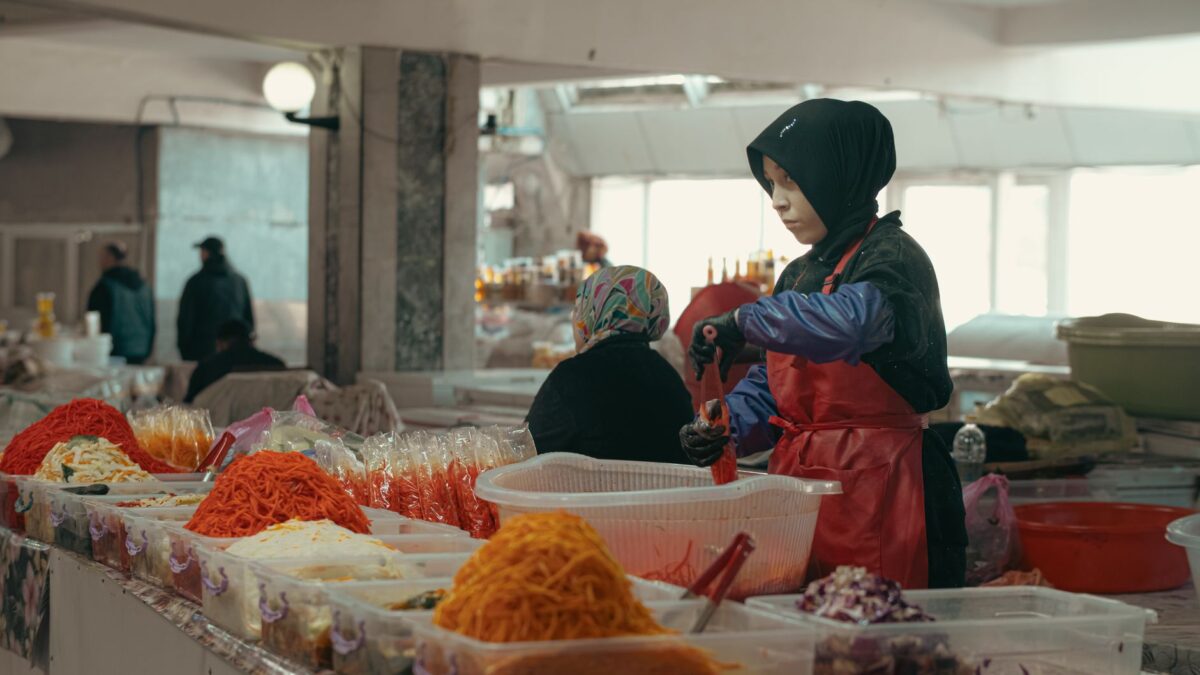
The heat of late August in Tashkent wraps around you like a warm, dry blanket. As the sun dips behind the blue dome of Chorsu Bazaar, the city exhales. Families unfold picnic blankets in Tashkent City Park, the scent of grilled shashlik and sweet melon hangs in the air, and somewhere nearby, the fourth Uzum Sayli festival has just wrapped up in Parkent, leaving the bazaars stacked high with grapes. This is the tail end of the chilla — the sultry peak of Central Asian summer — and Tashkent is at its most vibrant. If you’re arriving now, you’re in for a treat. But to truly move through this city with grace, you need to understand its codes. Here’s how to be a considerate visitor.
The Art of the Greeting
In Uzbekistan, greetings are a ritual, not a formality. The most common greeting is “Assalomu alaykum” (peace be upon you), to which you reply “Va alaykum assalom”. Among men, a handshake is standard, but always — always — use your right hand. The left is considered unclean. When greeting an elder or someone you deeply respect, place your right hand over your heart after (or during) the handshake. For women, a handshake is often not offered unless she extends her hand first. When meeting a woman, a respectful nod with your hand on your heart is always safe.
Use titles. Address older men as aka (older brother), older women as opa (older sister), and anyone notably senior as ota (father) or ona (mother). Even in business settings, “Timur aka” is a sign of respect. And don’t be surprised if a stranger greets you warmly and asks about your health, your family, and your journey — this is not small talk; it’s the backbone of Uzbek hospitality.
Dining Manners: The Heart of Hospitality
Meals in Uzbekistan are communal, generous, and slow. Whether you’re at a casual chaikhana (teahouse) or a formal dinner, wait to be shown where to sit. The eldest or most honored guest sits farthest from the door — at the dastarkhan (table) this is the seat of honor. Bread is sacred. Non — the round, leavened flatbread baked in tandyr ovens — is never placed upside down, and you must never throw it away. Tear it with your hands, not a knife. If you’re the guest, you’ll be offered the freshest piece — accept it with your right hand, and break a bit for yourself before passing it on.
Plov (osh) is the national dish, and it comes with rules. It’s often served on a large shared platter. Eat from your own side, not the center. The host will serve you — don’t reach across. And a word on the Besh Qozon Plov Center: this open-air pavilion near the TV Tower is where plov is cooked in giant kazans in regional styles. Expect to pay about 25,000–40,000 soum (roughly $2.60) for a generous bowl. It’s the ceremonial experience, and it’s worth it.
Tea is served throughout, usually green tea. In traditional homes, the guest is always poured first, but a thoughtful guest will pour for others before themselves. If you’ve had enough, leave your cup half-full — an empty cup signals “keep pouring.”
Tipping: Who, When, and How Much
Tipping is not an ancient tradition here, but it’s becoming common in modern and tourist-facing settings. In local chaikhanas and markets, rounding up to the nearest hundred soum is fine, but not expected. In a mid-range restaurant, a tip of 10% is appreciated if service was good. For your Yandex Go or InDrive taxi rides — which outside the app cost about 10,000–20,000 soum — you don’t need to tip; the fare is the fare. But for a guide who spends a full day showing you the Khast Imam complex and the Museum of Applied Arts, a tip of 50,000–100,000 soum (about $4–$8) is a kind acknowledgment. The economy runs on cash for small vendors — always carry soum (the currency, around 12,650 soum per $1) for the bazaars and street stalls.
Dress: Respect the Heat, Respect the Culture
Late August brings 35°C afternoons, so light linens and cottons are your best friends. But modesty matters. When visiting mosques like the Minor Mosque or the Khast Imam complex, cover your shoulders and knees. Women may be expected to cover their heads inside a mosque — bring a scarf just in case. Men, wear long trousers, not shorts, to these sacred sites. Outside of religious buildings, Tashkent is far more relaxed; you’ll see young people in Western fashion, especially in the trendy Mirobod district. But when you’re in the old mahallas of Eski Shahar, look at how local women dress — usually modest, loose-fitting clothes. Dressing slightly conservatively earns you respect, not just tolerance.
The Small Customs That Count
Take off your shoes when entering a private home. In some homes, you’ll find indoor slippers; in others, you’ll walk in socked feet. Watch what your host does and follow.
Never refuse bread. If it’s offered, you take it. If you’re full, tear a small piece and eat it — refusing is seen as a rejection of the host’s heart.
The left hand is for hygiene only. Never give or receive money, gifts, or food with your left hand.
Gifts — if invited to someone’s home, bring something small from your country: sweets, coffee, or a souvenir. Avoid giving alcohol unless you know it’s welcome; many Uzbekistanis are observant Muslims.
Photography — You may take photos of the Tashkent Metro’s stunning “underground palaces” (the ban was lifted in 2018). But always ask permission before photographing people, especially women and elders. Bazaars are a grey area — offer a smile and a small purchase, and you’re good.
Queue consciousness — Bureaucracy can be slow. Do not push; patients in line. Patience is a virtue here.
Money talk — Don’t discuss Soviet-era history unless the subject comes up. The 1966 earthquake that leveled 80% of Tashkent is still fresh in communal memory; approach with sensitivity.
Practical Etiquette: Getting Around
The metro is the greatest value in Tashkent — a ride costs about 2,000 soum (under 20 cents). The Tashkent Card is your ticket; load it at stations. But be ready: the metro is full of etiquette. Give up your seat to the elderly, women with children, and people with disabilities. Do not eat or drink on the platforms — it’s fined. And don’t block the escalators; stand right, walk left.
In taxis, never haggle inside a cab — if you get in without an app, agree on the fare before you sit. The apps (Yandex Go, InDrive) are cheaper and safer, but always double check the driver matches the app’s plate. In the heat, a short ride within the city center runs about 10,000–20,000 soum (around $1.20).
And a final note: When you enter a shop, greet the seller. The phrase “Assalomu alaykum” before you ask for water or a SIM card will change the entire tone of the exchange. A smile, a hand on the heart, and the couple of words in Uzbek you’ve learned will open doors wider than any currency. Tashkent runs on warmth — and it will warm yours in return.
Frequently asked questions
Is it rude to refuse tea or food in Uzbekistan?
Yes, it can be considered a rejection. It's better to accept a small portion or a sip, unless you have a genuine dietary restriction — then politely explain and thank the host.
Do I need to tip in Uzbekistan?
Tipping is not mandatory, but in restaurants and for guides, a 10% tip is appreciated. In taxis, no tip is expected.
Can I take photos in the Tashkent Metro?
Yes, photography is allowed since 2018. Just avoid taking photos of people without permission, and don't use flash on station walls.
What should I wear when visiting a mosque in Tashkent?
Cover your shoulders and knees. Women should bring a scarf for their hair. Remove your shoes before entering — there will be a place for them.
How do I pay for things in Tashkent?
Cards are accepted in hotels and modern restaurants, but carry cash in soum for bazaars, small shops, and taxis. ATMs issue soum; bring US dollars or euros for exchange if needed.
Things to do in Uzbekistan
 Special offer
Khiva to Bukhara: Transfer with Top 5 Fortresses & Akchakul Lake
Special offer
Khiva to Bukhara: Transfer with Top 5 Fortresses & Akchakul Lake
 Samarkand Private Guided Tour with transport (options avail)
 Samarkand All Inclusive Day Tour from Tashkent
 Special offer
Seven Lakes: Fully Inclusive Door-to-Door Guided Tour
Special offer
Seven Lakes: Fully Inclusive Door-to-Door Guided Tour
 Tashkent: Hands-On Uzbek Culture & Pottery Workshop
 Bukhara: Walking Tour with a Small Group. Complete Guidance