

What to eat in Australia — and what it costs
Canberra in early September is a city holding its breath. The air is crisp, hovering around 12°C, with that persistent heavy drizzle that makes the pavement shine and turns your flat white into a necessity rather than a luxury. You are standing in the shadow of the grass-roofed Parliament House, watching the daffodils push through the frost, while construction barricades line Northbourne Avenue for the Light Rail Stage 2A extension. It is a city of planned geometry and quiet intensity, but if you look past the federal politics and the ongoing mourning for Bridie Lee, you will find a food scene that is surprisingly vibrant, deeply local, and often overlooked by tourists rushing to Sydney or Melbourne.
The Braddon Strip: Where Locals Actually Eat
To understand Canberra’s culinary soul, you need to head north to Braddon. This inner-north suburb is the city’s foodie heartbeat, anchored by Lonsdale Street. Unlike the sterile dining rooms of the CBD, this strip feels lived-in. You can walk from boutique retail to a seat at BentSpoke Brewing, where the air smells of roasted malt and the menu changes with the seasons. Here, you might order their Crankshaft IPA alongside a plate of wood-fired flatbread. A meal here, casual and sit-down, will cost you around A$23–25 per person if you stick to lunch specials, though dinner courses will push that higher.
If you want something more refined, keep walking until you reach Such and Such Restaurant. This is not a place for quick bites; it is for slow, deliberate eating. The produce is sourced from the surrounding Canberra District, meaning your vegetables likely came from farms just 30 minutes away. Expect to pay about A$115–130 for a three-course meal for two, excluding drinks. It is pricey by Australian standards, but in a city dominated by government salaries, this is considered mid-range. For coffee, skip the hotel lobbies and go to The Cupping Room or Tasa Coffee House. A takeaway flat white will run you roughly A$5—a small price to pay to stay warm against the autumn chill.
Dickson’s ‘Chinatown’ and Asian Flavors
Just west of the city center lies Dickson, specifically Woolley Street. Locals call it Canberra’s Chinatown, and for good reason. If you are craving dumplings, pho, or dim sum, this is your destination. The atmosphere here is different from Braddon; it is louder, brighter, and more communal. You will find family-run eateries that have served the same recipes for decades.
For an affordable lunch, look for the bustling noodle bars. You can fill up for under A$20, which is significantly cheaper than the cafe culture of the north. However, do not leave without trying the specialty groceries on the side streets. The smell of star anise and lemongrass spills out onto the footpath, a stark contrast to the damp, drizzly weather outside. It is a reminder that Canberra’s identity is built on migration and service, creating a diverse palate that rivals any coastal capital.
Kingston Foreshore: Lakeside Dining and Markets
Head south to Kingston, an old 1920s suburb that clings to the edge of Lake Burley Griffin. The waterfront precinct here offers a different vibe: relaxed, scenic, and slightly more upscale. On weekends, the Old Bus Depot Markets take over, transforming a heritage bus depot into a hub of artisanal goods. You can buy fresh honey from a beekeeper, pick up a loaf of sourdough from Cafe Chapter 4, or grab a craft beer from one of the pop-up stalls.
Dining along the foreshore is a treat. Restaurants like Wilma offer modern Australian cuisine with views of the water. While the prices here align with the mid-range restaurant averages (around A$115–130 for two), the experience is elevated by the setting. In spring, as Floriade opens at Commonwealth Park nearby, the gardens burst with over a million blooms. You might find yourself walking off a heavy meal among the flowers during the NightFest events, where the city comes alive with light and sound.
Street Food, Supermarkets, and Daily Costs
Not every meal needs to be a sit-down affair. Canberra is practical. If you are on a budget, the supermarkets are your friend. A litre of whole milk costs about A$1.66, and a decent loaf of bread is roughly A$2.10. These are standard Australian prices, but they allow you to assemble picnic lunches for walks around the National Arboretum or along the Captain Cook Memorial Jet.
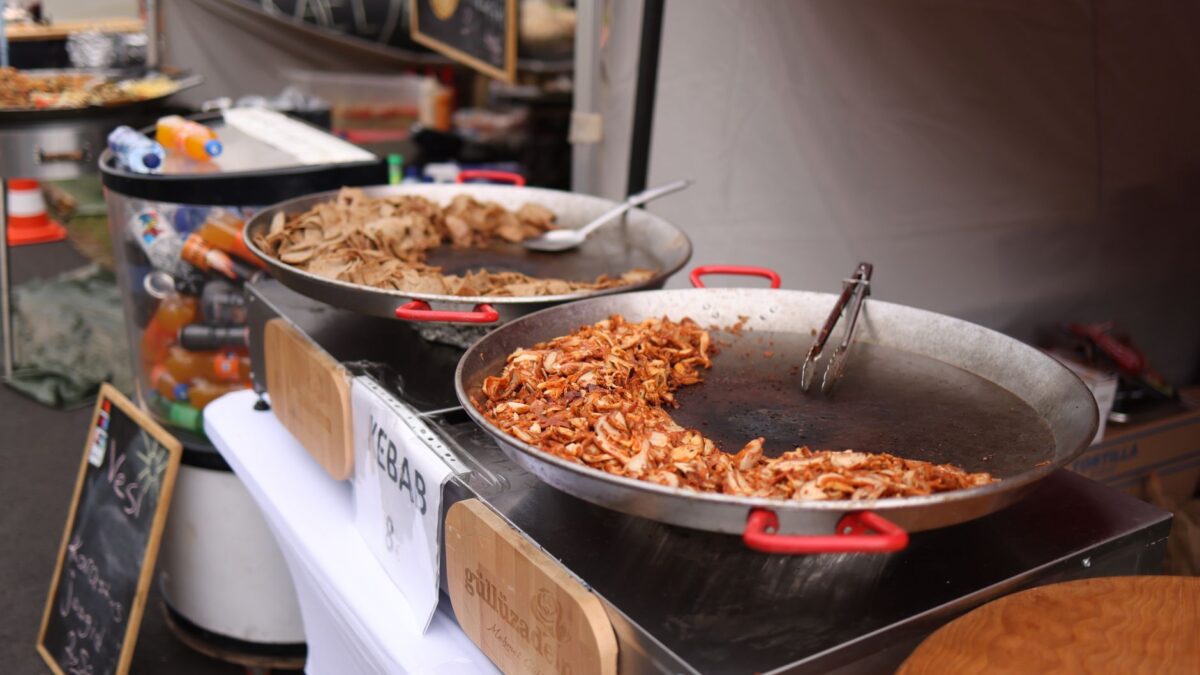
For hot street food, keep an eye out for the food trucks that congregate near major attractions like Questacon or the National Museum of Australia. A sausage sizzle—two sausages in white bread with onion and sauce—is the quintessential Australian street snack, typically costing between A$3 and A$5. It is simple, cheap, and deeply cultural. If you prefer a cold drink, a domestic 500ml beer will set you back about A$6 in a supermarket, but expect to pay A$11–12 at a pub. The markup is steep, so buy your own beers for a house party, but enjoy the pub pour when you are socializing.
Practical Tips for the Hungry Traveler
Transport in Canberra can be tricky due to the ongoing Light Rail construction. Use the MyWay+ system for buses and trams. A single fare is about A$3.40 peak or A$2.70 off-peak, with a daily cap of A$9.89. This makes hopping between Braddon, Civic, and Kingston easy on the wallet. Taxis have a flag fall of roughly A$5, but they are less necessary if you plan your meals geographically.
Accommodation also impacts your food budget. A mid-range hotel in the city center runs about A$180–250 per night. If you choose self-contained accommodation, you might save money by cooking breakfast, though the café culture here is too strong to ignore entirely. Remember, tipping is not mandatory in Australia. If the service is good, round up or leave a few dollars, but do not feel pressured to add 10%.
Finally, embrace the seasonal shifts. Early spring means lighter menus, more salads, and outdoor seating becoming viable as the drizzle subsides. Whether you are visiting for the Canberra Art Biennial or just passing through, let your appetite guide you. From the quiet dignity of a museum lunch to the noisy joy of a Dickson noodle bar, Canberra feeds you well, even when the weather does not.
Frequently asked questions
How much does a meal cost in Canberra?
A casual lunch at an inexpensive local eatery costs around A$23–25. A three-course meal for two at a mid-range restaurant is approximately A$115–130, excluding drinks.
Where is the best area for restaurants in Canberra?
Braddon, specifically Lonsdale Street, is the primary foodie hub with cafes and breweries. Dickson (Woolley Street) is known for Asian dining, while Kingston Foreshore offers lakeside dining.
Is tipping required in Australian restaurants?
No, tipping is not mandatory in Australia. It is customary to round up the bill or leave small change for excellent service, but you are not expected to add 10-15%.
What is a typical cost for coffee in Canberra?
A takeaway flat white or cappuccino costs around A$5 at most local cafes.
How do I get around Canberra to visit these food spots?
Use the MyWay+ contactless card or app. Fares are about A$3.40 peak and A$2.70 off-peak, with a daily weekday cap of A$9.89.
Things to do in Australia
 Gold Coast 2 hour Sunset Sailing Cruise with Drinks&Tasting Plate
 Kayak to Goat Island in Sydney Harbour with Local
 Likely to sell out
Flying Fox Experience, Thousands of Australia's Largest Bat
Likely to sell out
Flying Fox Experience, Thousands of Australia's Largest Bat
 Likely to sell out
Full Day Kayaking Tour in Coorong National Park
Likely to sell out
Full Day Kayaking Tour in Coorong National Park
 Margaret River Coastal and Wildlife Eco Trip from Busselton or Dunsborough
 Winemaking Class at McCaffrey's Estate