

What to eat in Botswana — and what it costs
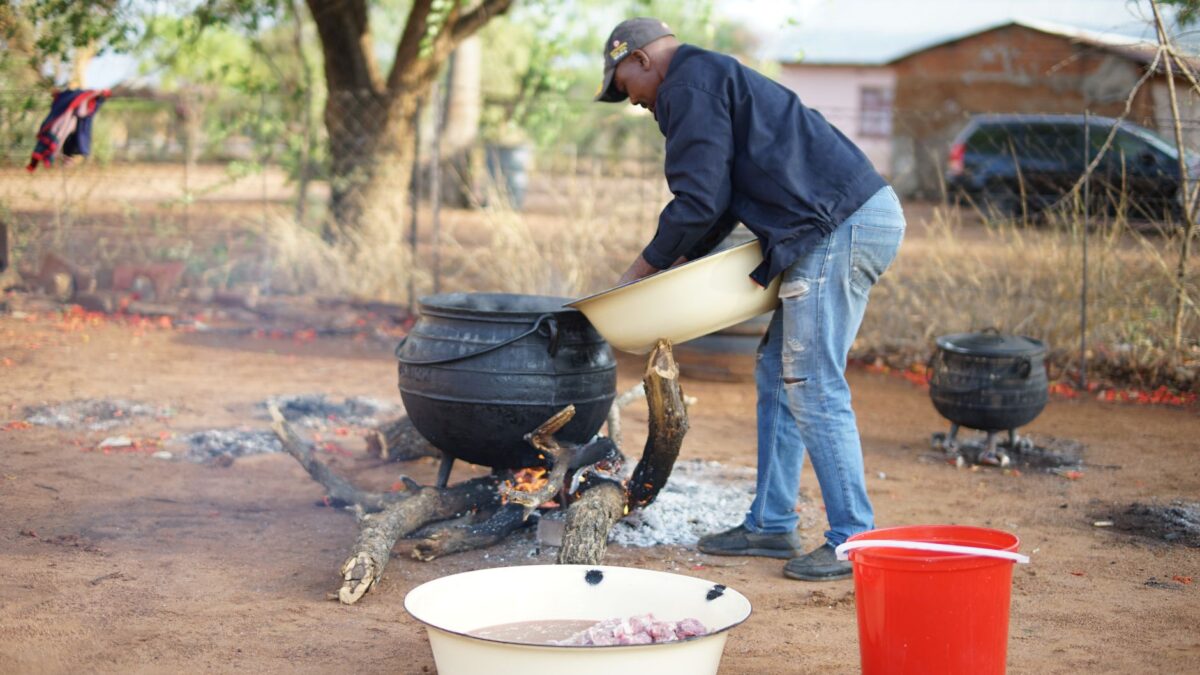
The first thing you notice in a Gaborone kitchen is the smell of beef. It’s late August, the tail end of the dry winter, and the air is sharp and dusty. By 6 a.m., the chill is real — but by noon, the sun is already pushing toward 30°C. This is the season for hearty food: slow-cooked meats, thick sorghum porridge, and greens that soak up every bit of the gravy. You’re not here for a food tour. You’re here to eat like a Motswana — and I’m going to show you exactly what that costs.
The Staples: Seswaa, Bogobe, and Morogo
If there’s one dish that defines Botswana, it’s seswaa — pounded, shredded beef that’s been simmered for hours until it falls apart. It’s salty, rich, and meant to be eaten with your hands, scooped up with a ball of bogobe (sorghum or maize porridge) and a heap of morogo (wild spinach or leafy greens). You’ll find this combo at almost any local restaurant, especially around lunchtime.
In Gaborone, a plate of seswaa with pap (or phaletse, the sorghum version) runs about P70 to P210 — roughly $10 at the current exchange rate. The price depends on the spot: a no-frills eatery near the Main Mall will be on the low end; a sit-down place in the Extensions will push toward the higher figure. For that money, you get a generous portion — enough to fuel you through a long afternoon at the National Museum or a walk up Kgale Hill.
If you’re near the Gaborone Game Reserve — one of the only capitals in the world with a working game reserve inside the city limits — look for small roadside stalls that sell seswaa with pap in plastic containers. It’s not fancy, but it’s the real thing. Just follow the smell.
Where to Eat: The Real Spots
You don’t need a Michelin guide here. The locals know that the best food is often in unassuming places. But if you want a solid sit-down meal, start in the New CBD, near the Three Dikgosi Monument. That’s where you’ll find Two Six Seven — a contemporary spot that does a great steak and a decent braai platter. Expect to pay around P200 for a three-course meal, which is the going rate for a mid-range restaurant in Gaborone. If you’re with someone, that’s about P400 for two — a bargain compared to what you’d pay in Cape Town or Johannesburg.
For a more traditional vibe, head to Bull & Bush, which is a favorite for its herbed pork chops and massive portions. It’s a bit out of the center, but it’s worth the taxi fare (about P50–P120 for a private “special” from the CBD). If you’re out at Mokolodi Nature Reserve — 10 km south of the city — the thatched restaurant there is a gem. You can watch zebra and rhino at the waterhole while eating a slow-cooked kudu stew or a simple grilled chicken. Prices are slightly higher, but the setting makes it worth every pula.
Don’t miss the Mma Ramotswe connection — Alexander McCall Smith’s No. 1 Ladies’ Detective Agency is set in Gaborone, and you can take a tour that includes the real places mentioned in the books. Many of those tours end with a cup of tea at No. 1 Ladies’ Coffee House in the Village, near Thapong Visual Arts Centre. That’s where you’ll find locals nursing a cappuccino for about P30 — the standard price across the city, whether you’re at Cafe Dijo or Zen Cafe Lounge.
Street Food and Snacks: Eating on the Go
If you’re on a budget, street food is your friend. In the Main Mall — the pedestrian spine from Parliament to the Pula Arch — you’ll find vendors selling grilled corn, roasted mopane worms, and fat cakes (magwinya) with a cup of tea. A magwinya (a deep-fried dough ball) costs just a few pula. A full street meal of grilled meat and pap will set you back about P30–P50. It’s not fancy, but it’s authentic, and you’ll be standing among office workers and students doing the same.
For a more substantial snack, try the Gaborone Craft Market in Broadhurst — it’s a great place to pick up a smoked meat stick and a cold St. Louis lager (about P25–P32 for a 500ml bottle). The market is also where you can find local honey and dried sausage to take back to your hotel.
If you’re staying in a guesthouse, ask for a breakfast of papa and beef — it’s a common home-style meal. A basic lunch at an inexpensive local place will cost you P80–P150, including a drink. That’s the sweet spot for most travelers.
The Coffee and Dessert Scene
Gaborone has embraced café culture with a vengeance. You’ll find excellent cappuccinos at The Daily Grind Cafe + Kitchen, Studio Cafe BW, and Ola Tia Coffee and Cream — all of which are popular with the young crowd. A flat white or latte will set you back about P30 (with a range of P20–P49 across the city). For dessert, look for Doppio Zero Botswana — they do a great malva pudding and a mean carrot cake. It’s a bit on the pricier side (a slice will be about P40), but it’s worth it.
If you’re in the Phakalane area — the upmarket golf estate 12 km north of town — stop by Acacia Mall for a treat. There’s a branch of a popular bakery there, and you can sit outside and watch the golfers go by. A slice of cake and a coffee will run you about P60.
Beer, Braais, and the Full Experience
You can’t leave Botswana without a braai (barbecue). The culture is as serious here as in South Africa, but with a local twist: the meat is almost always beef, and it’s marinated in a spiced salt blend. Join a braai at Park 27 — a trendy spot that has a great outdoor terrace. A braai plate with a side of chakalaka and pap will cost about P150. If you’re lucky, you’ll be invited to a private braai — bring a bottle of local whisky (try the Botswana-made The Origin) and you’ll be a friend for life.
For beer lovers, St. Louis is the local lager of choice. It’s light, crisp, and perfect after a hike up Kgale Hill. A half-liter draught at a bar ranges from P25 to P32. If you prefer something with more flavor, look for craft beer at Bull & Bush — they have guest taps.
If you’re in town during the Gaborone Book Festival (which ran Aug 20–22 at the National Museum) or the CAF Women’s Champions League qualifiers (Aug 20–29), you’ll find special food stalls around the venues. Expect lines, but the grilled meat and pap bowls are worth the wait.
Prices, Budget and Honest Numbers
Let’s talk money. Gaborone is one of the cheaper SADC capitals — prices are roughly 38% of US levels, per a World Bank index. The currency is the pula (BWP), and it’s usually around 13.5 pulas to the dollar. Here’s a quick cheat sheet:
- Street snack (magwinya, grilled corn): P5–P20
- Basic lunch (seswaa with pap, drink): P80–P150
- Mid-range dinner (three courses): P200 per person
- Coffee: P30
- Local beer (0.5 L): P30
- Combi fare: P9 (the official rate since April 2026)
- Taxi from CBD to Phakalane: P50–P120
If you’re budgeting, a day of eating out will cost you around P300–P400 per person, including a nice dinner. That’s about $20–$30. If you buy groceries (milk is P20–P23 a liter, bread is P12 a loaf), you can eat for half that.
One tip: the 2026 High Court ruling kept combi fares at P9, so use the minibuses to get around. They’re cheap and efficient, though they can be crowded. For safety, take a special taxi at night.
When You’re Here: What’s Happening
Late August is a fantastic time to visit. The Gaborone Book Festival just wrapped up (Aug 20–22), but the buzz is still in the air. If you’re around on Aug 29, SHEVOLUTION brings 400 women to the city for panels on leadership and entrepreneurship — a great chance to hear local voices. And if you’re into football, the CAF Women’s Champions League COSAFA Qualifier is running until Aug 29, with matches and workshops all over town.
But the food is the real reason you’re here. So let me leave you with this: go to the Gaborone Craft Market in Broadhurst, buy a bag of roasted mopane worms, and walk to the Three Dikgosi Monument. Sit on the steps, watch the sun set over the city, and enjoy the taste of real Botswana.
Frequently asked questions
What is the national dish of Botswana?
The national dish is seswaa — pounded, slow-cooked beef served with bogobe (sorghum or maize porridge) and morogo greens. It’s a hearty, salty meal best eaten with your hands.
How much does a meal cost in Gaborone?
A basic lunch at a local place will run P80–P150 (about $8), while a three-course dinner at a mid-range restaurant is around P200 per person. Street snacks like magwinya cost just a few pula.
Where can I try traditional Botswana food in Gaborone?
Look for local eateries near the Main Mall or the Gaborone Game Reserve. For a sit-down meal, try Two Six Seven or Bull & Bush. If you’re at Mokolodi Nature Reserve, the restaurant there serves excellent game meat.
Are there vegetarian options in Botswana?
Yes, many places offer morogo (wild spinach) and bogobe without meat. But the cuisine is heavily meat-based, so you may need to ask. Café Dijo and The Daily Grind have good veggie options.
What is the local beer in Botswana?
St. Louis Lager is the go-to local beer, and a 500ml bottle costs about P25–P32. It’s light and crisp — perfect after a hike or a braai.
Things to do in Botswana
 2 Day 1 Night Chobe Safari ex Livingstone/Victoria Falls
 Chobe Full Day Trip from Victoria Falls
 Chobe Full day Safari: Game Drive & Boat Safari with Lunch
 Special offer
Half Day Tour from Gaborone (Manyana Village Visit)
Special offer
Half Day Tour from Gaborone (Manyana Village Visit)
 Multiday Tour From Gaborone : 2 day Gaborone Experience
 1 Day Moremi Game Drive Safari, guided