

What to eat in Chile — and what it costs
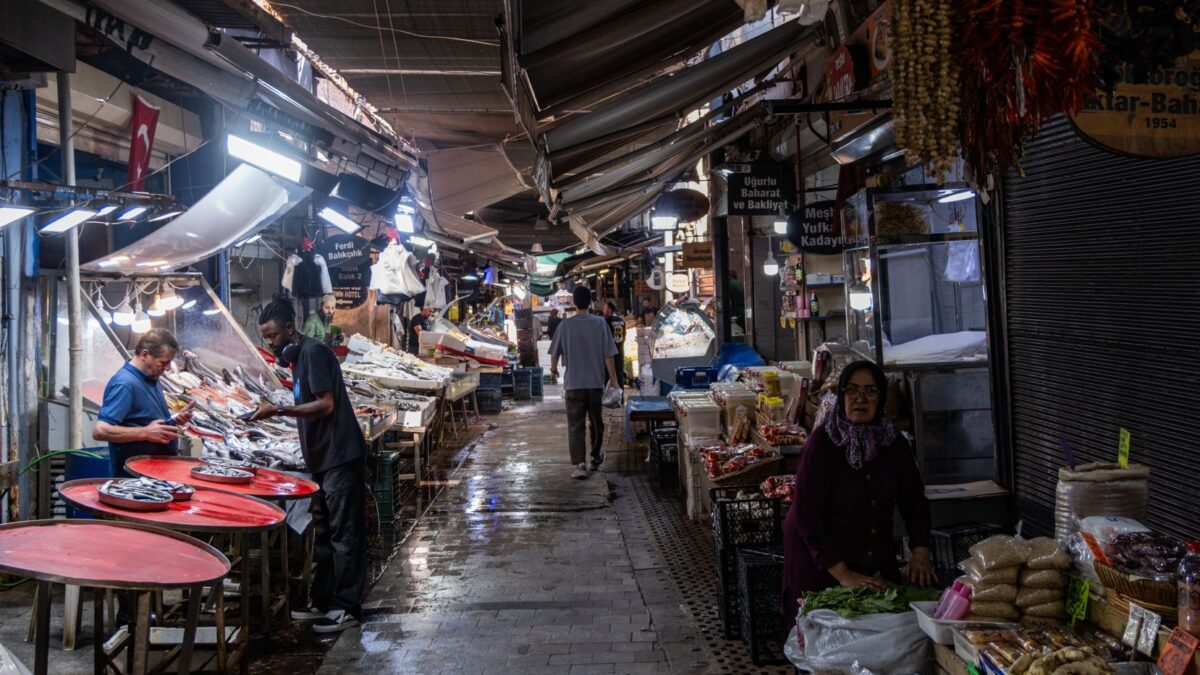
Chilean food is not a background element; it is the heartbeat of the country. From the misty, rain-swept streets of Santiago to the sun-drenched valleys of the north, eating here is an act of survival and celebration. I remember walking through the Mercado Central when the air was thick with salt and smoke, watching locals dismantle whole lobsters with practiced ease. That same energy pulses in the crowded ‘completos’ stands of downtown and the cozy, wood-paneled corners of Bellavista cafes. If you are planning your trip for late October or early November, be aware that you will likely face some heavy showers—the forecast suggests around 9mm of rain over several hours—so there is no better excuse than bad weather to seek out warm, hearty bowls of soup and stews.
The Street Food Staple: The Completo Italiano
You cannot talk about Chilean food without starting with the completo. In most countries, a hot dog is just a hot dog. Here, it is a cultural institution. The standard version is simple, but the king is the completo italiano. Despite the name, it has nothing to do with Italy. It is a frankfurter smothered in avocado mash (guacamole), sliced tomatoes, and mayonnaise. It is messy, creamy, and incredibly satisfying.
In recent years, prices have shifted as Santiago becomes one of Latin America’s more expensive cities. Rents in central areas like Providencia have climbed, and this pressure trickles down to street food. A completo italiano in downtown Santiago now costs roughly $3,500–4,000 CLP (about $4 USD). While that might seem steep for a snack, consider that it is a full meal component. You will find these stalls everywhere, but for the classic experience, head toward the Centro Histórico. Grab one while standing on the sidewalk near Plaza de Armas, watching the colonial architecture and the busy flow of daily life. It is cheap, fast, and authentically Chilean.
Soups and Stews: Comfort in the Rain
With the Andes framing the city and frequent autumn rains rolling in, soups are not just food; they are therapy. The undisputed champion is the caldo de pollo (chicken soup). It is clear, rich, and served with a side of picana, a spicy chili paste that cuts through the richness of the broth. This is often found in small, unpretentious eateries known as caldos.
If you want a sit-down experience that feels like home, look for places serving cazuela. This is a traditional beef and vegetable stew, simmered with pumpkin, potatoes, corn, and rice. It is the dish every Chilean grandmother makes. You can find excellent versions in the Barrio Lastarria area, which is walkable and culturally vibrant. Look for spots near the Museo de Bellas Artes or Plaza Mulato Gil de Castro. Prices for a bowl of cazuela typically range from $5,000 to $7,000 CLP (around $5–$7 USD). It is affordable comfort food that will keep you warm during those chilly 12°C evenings.
Seafood and the Mercado Central Experience
Chile has a 4,000-kilometer coastline, and seafood is sacred. The most iconic spot to eat it is the Mercado Central, a 1872 cast-iron building declared a National Monument. It is touristy, yes, but it is also authentic. The air smells of brine and charcoal. The must-order dish here is the paila marina, a fiery seafood stew made with mussels, clams, shrimp, fish, and sometimes lobster, cooked in a clay pot with tomato sauce and spices.
A portion of paila marina at a reputable restaurant inside the market, such as La Vega or the main hall’s established vendors, will cost you approximately $15,000–25,000 CLP (about $16–$26 USD) per person, depending on the quantity of premium shellfish. For a cheaper, fresher alternative, cross the Mapocho River to La Vega Central, the city’s massive produce market. Here, you can buy fresh fish by weight and have it grilled on the spot for a fraction of the price. It is less polished but deeply local.
Dining in the Neighborhoods: Where to Go
Santiago’s dining scene is divided by geography, and knowing where to go matters for both safety and quality. Providencia is the leafy, safe residential hub. Around Manuel Montt street, you will find a cluster of high-quality cafes and restaurants. Try Casa Salvo Café for breakfast or lunch—it is a staple for locals who value specialty coffee and solid brunch options. Expect to pay $8,000–12,000 CLP ($8–$13 USD) for a substantial meal here.
Bellavista, the bohemian district at the foot of Cerro San Cristóbal, is the nightlife center. It is beautiful, with street art and historic houses like Pablo Neruda’s La Chascona. Dinner here can be pricier due to the ambiance. Restaurants like El Hoyo or Casa Lastarria (technically in Lastarria but close enough to mention) offer refined Chilean cuisine. A three-course meal at a mid-range place in Bellavista might run $25,000–40,000 CLP ($26–$42 USD). Be cautious late at night on the Pío Nono bar strip; stick to well-lit main roads.
For a view, head to Las Condes, specifically the El Golf area. Known as ‘Sanhattan,’ this is the financial district with glass towers and the Costanera Center. While not known for street food, it has upscale dining options with panoramic views of the Andes. A drink and appetizer here could easily cost $30,000+ CLP ($32+ USD). It is worth it once for the skyline, especially if the rain clears and the mountains are visible.
Practical Tips: Transport and Budgeting
Eating well requires getting around, and Santiago’s public transport is efficient but requires preparation. You need a bip! card for the Metro and buses. The card itself costs around $1,550 CLP. Fares vary by time: peak hour (punta) is about $870 CLP, while off-peak (baja) is roughly $710 CLP. Buses are flat rate at around $770–$795 CLP. If you are staying long-term, consider the monthly cap, which limits your spending to about $41,000 CLP ($45 USD) for unlimited travel after a certain point.
Visitors from the US, EU, UK, Canada, and Australia enter visa-free for 90 days. Keep your tourist slip (Tarjeta de Turismo); hotels use it to exempt you from VAT on services, including meals at some establishments. Always ask for the discount (descuento para turista). For banking, you will eventually need a RUT (tax ID) and a cédula de identidad to open an account if you stay longer, but for short trips, credit cards are widely accepted in restaurants, though cash is king at street stalls and markets.
Finally, safety is generally good in Providencia, Las Condes, and Vitacura, but petty theft is common in the Centro and crowded Metro stations. Keep your phone secure. When the rain comes—and it will in October and November—let it guide you into a warm caldario or a bustling seafood market. That is where the real taste of Chile lives.
Frequently asked questions
How much does a typical meal cost in Santiago?
Street food like a completo italiano costs around $3,500–4,000 CLP ($4 USD). A sit-down meal at a mid-range restaurant averages $8,000–12,000 CLP ($8–$13 USD), while seafood at Mercado Central can range from $15,000 to $25,000 CLP ($16–$26 USD).
What is the best place to try traditional Chilean seafood?
The Mercado Central is the most famous spot for dishes like paila marina, located in the Centro Histórico. For a fresher, local experience, visit La Vega Central across the river.
Is Santiago expensive compared to other Latin American cities?
Santiago is among the pricier cities in the region. Rents and street food prices have risen, with completos climbing from $2,500 to nearly $4,000 CLP downtown. However, public transport remains affordable with fares under $1 USD per trip.
Which neighborhood is best for foodies and nightlife?
Bellavista is the bohemian hub with great nightlife and historic charm, while Providencia offers safer, leafy streets with a high concentration of quality cafes and restaurants around Manuel Montt.
Do I need a transit card for buses and metro?
Yes, the bip! card is required for Metro and buses. It costs about $1,550 CLP to buy. You can also pay via QR code using the Red Movilidad app or contactless Visa/Mastercard since February 2026.
Things to do in Chile
 Guided Half Day Kayak Tour with Picnic in Villa la Angostura
 Gong Bath in the Magic Forest in San Pedro de Atacama
 Villarrica Volcano Ascent
 Guided Kayak Trip on Liucura River
 Valpo in 1 day: Authentic + Famous! Semi-private walking tour & public transport
 Private Full Day Tour on Easter island "The Highlights"