

What to eat in Colombia — and what it costs
The rain in Bogotá doesn’t fall so much as it hovers, a persistent drizzle that turns the cobblestones of La Candelaria into dark mirrors. It is late September, the second rainy season, and the air is thick with the scent of wet earth and roasting corn. If you are standing here, shivering slightly in your light jacket, you have arrived at the perfect moment to understand Colombian comfort food. This isn’t just about calories; it is about survival against the chill of the Andean plateau, sitting at 2,600 meters above sea level.
As a local host, I often see tourists looking for “authentic” experiences in sterile hotel buffets. Stop that right now. To truly taste Colombia, you need to embrace the damp, the crowds, and the incredible value of the street-side stall or the neighborhood *corralito*. Here is what you must eat, where to find it, and exactly how much it will cost your wallet.
The Soup That Defines the City
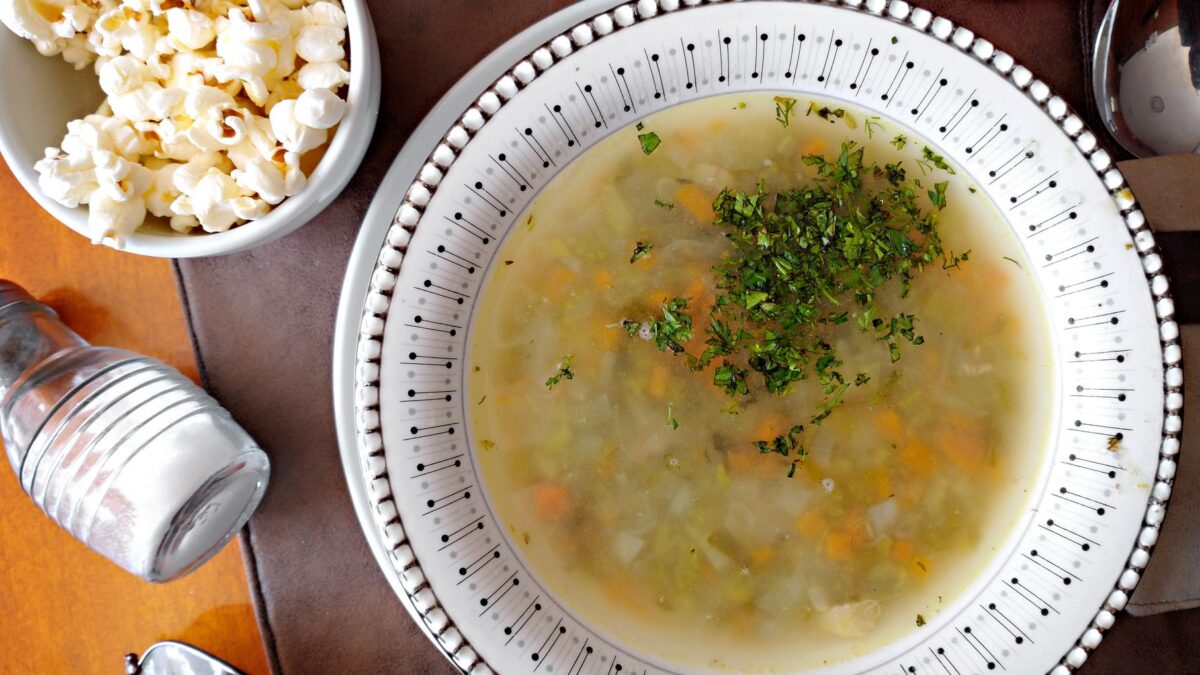
You cannot leave Bogotá without eating ajiaco. It is the city’s signature dish, a hearty chicken soup made with three types of potatoes (pastusa, sabaneta, and criolla) that break down to create a creamy texture, seasoned with guasca, an herb unique to this region. It arrives steaming hot, accompanied by capers, cream, and usually a side of rice.
For the most authentic experience, skip the tourist traps near Plaza de Bolívar. Head instead to La Puerta Falsa Restaurant in Usaquén. Usaquén itself is a former colonial town absorbed by the city, known for its cobblestone streets and Sunday artisan market. La Puerta Falsa has been serving this dish since 1963. A bowl here costs about 25,000 COP (roughly US$6). If you go during lunch hours on weekdays, you might find a menu special for around 15,000 COP. It is a small price to pay for warmth that lasts until dinner.
If you want something more casual, look for any place advertising a menú del día. In neighborhoods like Teusaquillo or Chapinero, a full lunch—soup, main course, and a drink—will run you between 12,000 and 15,000 COP (about $3–$4). This is the corrientazo, the working-class lunch that keeps Bogotá running. It is unglamorous, efficient, and delicious.
Street Food: The Morning Ritual
Bogotá wakes up early, and the streets are lined with vendors selling arepas. These are not the dry, flat discs you might know from elsewhere; these are thick, round cakes made of fresh corn dough, stuffed with cheese, meat, or hogao (a tomato-onion sauce).
Walk through Mercado de Paloquemao, the city’s main working produce market, and you will see stalls overflowing with exotic fruits like lulo, granadilla, and gulupa. But don’t let the fruit distract you from the breakfast carts nearby. A simple cheese arepa costs about 2,000–3,000 COP. Pair it with a tinto, a small cup of black coffee brewed in a cloth filter, which runs about 1,000–2,000 COP.
For a higher-quality caffeine fix, seek out the specialty coffee shops that have sprung up in Chapinero Alto. Bogota Coffee Roasters or Azahar Coffee Parque 93 offer excellent cappuccinos for around 5,000–6,000 COP. Colombia produces some of the world’s best beans, and drinking them in a cozy café while watching the rain streak the window is a ritual in itself.
Lunch on a Budget: The Corralito Culture
Midday in Bogotá is all about the corralito—small, family-run eateries that serve home-style cooking. You will see signs reading “Menú del Día” everywhere. These places are the heart of daily life, particularly in residential barrios like Teusaquillo or Usaquén.
In these spots, you can get a plate of bandeja paisa (a massive platter with beans, rice, ground meat, chorizo, egg, avocado, and plantain) or simpler dishes like encocado de pescado (fish in coconut sauce). While a full sit-down meal at a mid-range restaurant in the Zona Rosa or Zona T area might cost 40,000–80,000 COP per person (about $10–$20), a corralito meal is significantly cheaper. Expect to pay around 12,000–15,000 COP for a complete, nourishing lunch. This is where you will see locals eating, laughing, and discussing politics over steaming plates of food.
If you are traveling with limited funds, note that a modest monthly rent in Bogotá is around 1,570,000 COP, but food remains affordable. Even a liter of milk costs only about 4,000–4,500 COP. The exchange rate still favors the visitor, making Bogotá one of the most budget-friendly capitals in South America for dining out.
Dinner and Drinks: Where to Spend Your Pesos
When evening falls, the city transforms. If you want fine dining, head to Zona G (Gourmet Street) in the Chicó district. Here, you will find upscale restaurants like El Gato Gris or T-Bone. A dinner here will set you back significantly more, easily 80,000–150,000 COP per person depending on wine choices. However, even here, the quality is exceptional.
For a more relaxed night, Chapinero Alto offers a vibrant nightlife scene. Grab a local beer, such as Club Colombia or Poker, for about 6,000–8,000 COP in a bar. It is crisp, cold, and perfect for washing away the day’s chill. If you prefer a view, take the cable car up to Monserrate. There are cafés at the top offering panoramic views of the entire Bogotá basin. A drink there will be pricier, perhaps 15,000–20,000 COP, but the sunset over the Eastern Hills is unforgettable.
Remember, safety is paramount. Avoid carrying your phone loosely in your hand, especially on TransMilenio buses or in crowded areas. Use ride-hailing apps like Uber or Cabify if you are heading home late, rather than flagging street taxis. The northern barrios like Usaquén, Chicó, and Chapinero are generally safer and more walkable at night than the historic center after dark.
Practical Tips for the Gastronomic Traveler
Getting around is easy with the TuLlave card. A single fare on TransMilenio or SITP buses is roughly 3,200 COP. If you plan to use transit frequently, consider the monthly pass. For food, always carry small bills. Many street vendors do not accept credit cards, and breaking a 50,000 COP note for a 2,000 COP arepa can be difficult.
Finally, keep an eye on the seasonal events. Late September often coincides with the Amor y Amistad weekend, when restaurants fill up quickly. If you are visiting during ARTBO, Bogotá’s international art fair, book your meals in advance. The city is alive with energy, and the food is the best way to connect with its soul.
Frequently asked questions
What is the most famous dish in Bogotá?
The most famous dish is ajiaco, a hearty chicken and three-potato soup seasoned with guasca herb, served with cream and capers.
How much does a typical lunch cost in Bogotá?
A local 'menú del día' at a neighborhood corralito costs about 12,000–15,000 COP ($3–$4), while mid-range restaurants charge 40,000–80,000 COP.
Where can I find the best arepas in Bogotá?
Street vendors sell fresh arepas everywhere, but Mercado de Paloquemao offers a great variety alongside other traditional snacks.
Is Bogotá expensive for tourists?
No, Bogotá is relatively affordable. A monthly minimum wage is ~1.4M COP, but a tourist can eat well for under $10 a day using local options.


