

What to eat in Denmark — and what it costs
It is early October in Copenhagen, and the air has that distinct, crisp bite that tells you summer is officially packing its bags. The temperature hovers between 12 and 17°C, the sky is a familiar blanket of overcast grey, and somewhere down the street, a cyclist clicks their rear light on as dusk approaches at 18:37. This is the pivot point of the year. The terrace umbrellas are folding up, but the restaurants are lighting candles, and the markets are overflowing with pumpkins and late apples. If you are here now, navigating the city during the autumn school holiday week (efterårsferie), you will find a different rhythm than the summer crowds offer. It is quiet, it is cozy, and it is the perfect time to eat your way through Denmark without fighting for a table.
Denmark is expensive. Let us get that out of the way immediately. Copenhagen is one of Europe’s priciest capitals, and if you are used to continental prices from further south, you might blink at the bill. A realistic daily spend, including food and transport, can easily run between 450 and 1,500 DKK. But Danish food is not just fuel; it is an experience rooted in history, seasonality, and an obsession with quality ingredients. Here is what you should actually seek out, where to find it, and how much it will cost you when the bill arrives.
The Open Sandwich: Smørrebrød
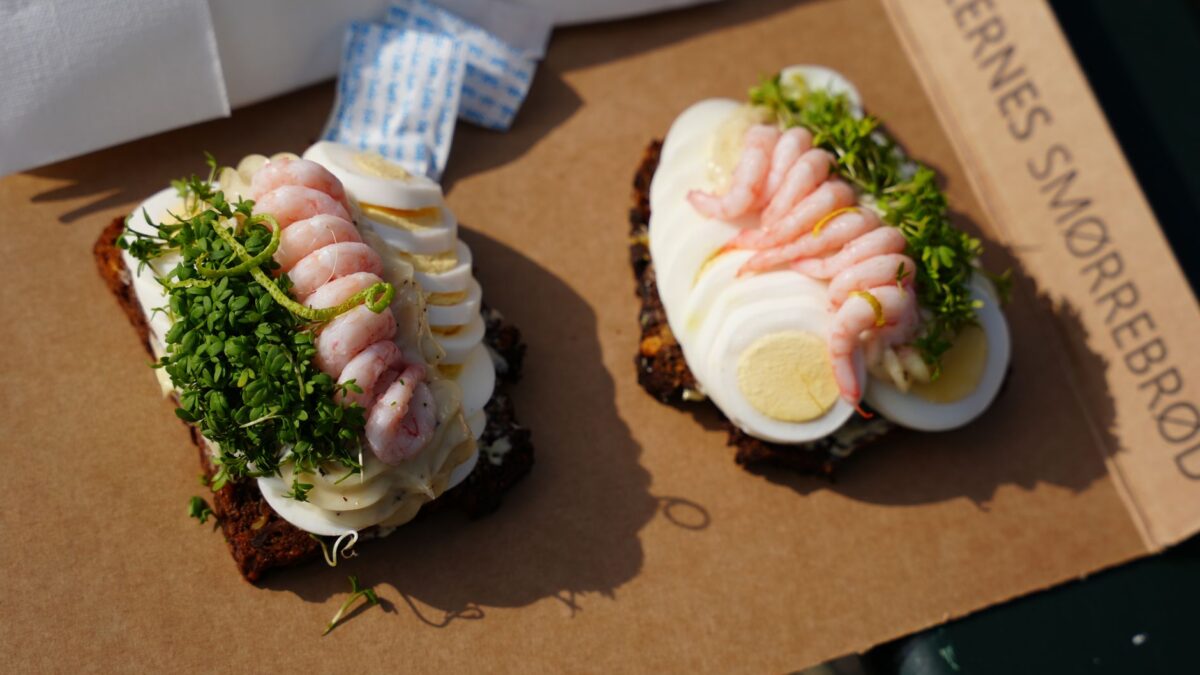
You cannot come to Denmark and leave without eating smørrebrød. This is not merely “open-faced sandwich”; it is a culinary art form perfected over decades. It starts with dense, dark rye bread (rugbrød), which is sliced thickly and often toasted or buttered before being piled high with toppings. In the old days, this was lunch for workers; today, it is a refined meal served in elegant settings.
If you want the classic experience, head to Torvehallerne, the beautiful glass market halls near Nørreport station. This is where locals buy their fish and cheese, but it is also a fantastic place to grab a quick, high-quality lunch. You can find stalls serving smørrebrød for roughly 85–185 DKK per piece depending on the topping—roast beef with remoulade and crispy onions is a staple. For a full sit-down meal in a more traditional setting, look for establishments in the Indre By district. A three-course meal at a mid-range restaurant will set you back about 350–400 DKK per person. That is approximately $55 USD, which feels steep until you taste the clarity of the flavors.
Pro tip: Eat slowly. Smørrebrød is meant to be consumed with a knife and fork, not in one bite like a burger. The layers are designed to be appreciated individually.
Street Food and Hot Dogs
Not every meal needs to be formal. Denmark has a legendary street food culture, and nowhere is it more iconic than the pølsevogn—the sausage cart. These red wooden booths have been fixtures of Copenhagen since the 19th century. A classic Danish hot dog (pølse med brød) costs around 35–47 DKK. Yes, that is less than $6 USD, making it one of the few affordable meals in this city.
The magic lies in the condiments. You do not just ask for ketchup and mustard. You choose from a rainbow of sauces: remoulade, sweet mustard, spicy mustard, pickled beetroot, raw onion, and crispy fried onions. The combination is personal. I recommend asking for “remoulade, sennep, løg og stegte løg” for the full sensory experience. Grab a hot dog from a cart on Strøget or near Tivoli Gardens, walk along the harbor, and watch the lights come on over the water. It is simple, cheap, and deeply satisfying.
If you prefer something slightly more substantial but still casual, check out the food stalls at Torvehallerne. A stall lunch or snack here averages 75–150 DKK. It is a great middle ground between street food and a restaurant, offering fresh fish, gourmet sandwiches, and local cheeses in a vibrant, indoor setting.
Modern Nordic and Local Eats
Copenhagen put New Nordic cuisine on the world map, largely thanks to René Redzepi’s Noma. While you may not snag a reservation at the most exclusive tables, the influence is everywhere. The Nørrebro district is particularly rich with this culinary DNA. You will find bakeries and cafes that source hyper-locally, using foraged ingredients and heritage grains.
In Vesterbro, formerly the meatpacking district, the food scene has exploded. Areas like Kødbyen (the Meatpacking District) are now lined with trendy restaurants and bars. If you are looking for a budget-friendly sit-down option, many places offer a lunch buffet. A budget sit-down lunch buffet, typically including a main dish and salad bar, can be found for around 79–100 DKK. This is a smart way to sample local dishes like frikadeller (meatballs) or flæskesteg (roast pork) without breaking the bank.
For coffee and cake, which Danes take seriously, visit Coffee Collective in Torvehallerne or Ø12 Coffee & Eatery. While I could not verify exact current prices for coffee due to rapid inflation adjustments, expect to pay a premium for specialty brews here—it is part of the culture. Pair your coffee with a slice of æblekage (apple cake) when the seasons turn, and you will understand why Danes love their hygge.
Navigating Costs and Logistics
Managing your budget in Copenhagen requires a bit of strategy. Public transport is efficient but adds up. A single transit fare for two zones lasts 75 minutes and costs about 24 DKK. If you are moving around the city frequently, consider the Rejsekort app or a City Pass. Prices were adjusted recently, so always check the DOT app for the latest zone rates.
Dining out is the biggest variable. An inexpensive local meal runs about 150 DKK. If you are drinking alcohol, add significantly—beer and wine are heavily taxed. A realistic daily food budget for a tourist who enjoys both street snacks and one nice dinner is closer to 500–800 DKK per day.
Use MobilePay if you can. It is ubiquitous in Denmark. Most transactions, even at small cafes or street vendors, go through this app. To use it, you need a Danish bank account, CPR number, and mobile number. If you are just visiting, cash is rarely needed, but having a card that works internationally is essential. Also, be aware that service charges are usually included in the price, but leaving a small tip (rounding up) is appreciated for good service.
Finally, embrace the season. With Halloween approaching, Tivoli Gardens is decking itself out in autumn lighting and pumpkins. It is a magical time to visit, and the seasonal menus at nearby cafes will reflect the harvest. Whether you are hunting for treasure at DR Koncerthuset during the school holidays or simply walking through Kongens Have, let your appetite guide you. Denmark is generous with its food, provided you know where to look and are willing to pay for the quality.
Frequently asked questions
How much does a typical meal cost in Copenhagen?
An inexpensive local meal costs around 150 DKK ($22). A mid-range three-course dinner is approximately 350–400 DKK ($55) per person. Street food like hot dogs ranges from 35–47 DKK.
Where is the best place to try authentic smørrebrød?
Torvehallerne market is a top choice for high-quality open sandwiches, costing 85–185 DKK each. Classic lunch spots in the Indre By district also serve excellent versions.
Is Copenhagen expensive for tourists?
Yes, it is one of Europe’s pricier capitals. A realistic daily spend for food and transport can range from 450 to 1,500 DKK. Budgets require planning, especially for alcohol and sit-down dinners.
What is a budget-friendly lunch option in Copenhagen?
Look for budget sit-down lunch buffets, which often offer a main course and salad for around 79–100 DKK. Many modern Nordic restaurants offer similar fixed-price lunch deals.
Can I use credit cards everywhere in Denmark?
Yes, Denmark is nearly a cashless society. MobilePay is widely used for transactions, but international credit/debit cards are accepted almost everywhere, including street vendors.
Things to do in Denmark
 Private Copenhagen Boat cruise in Scandinavian mahogany boat
 Private Copenhagen Boat Tour: Landmarks and Hidden Gems
 Likely to sell out
Private Copenhagen Family Cargo Bike Tour
Likely to sell out
Private Copenhagen Family Cargo Bike Tour
 Aarhus City Highlights Tour: History, Culture & Street Art
 2-Hour Private Copenhagen Segway Tour - Your own private group
 The Secret to Danish Happiness: Nørrebro Culture & Fairytales