

What to eat in Dominican Republic — and what it costs
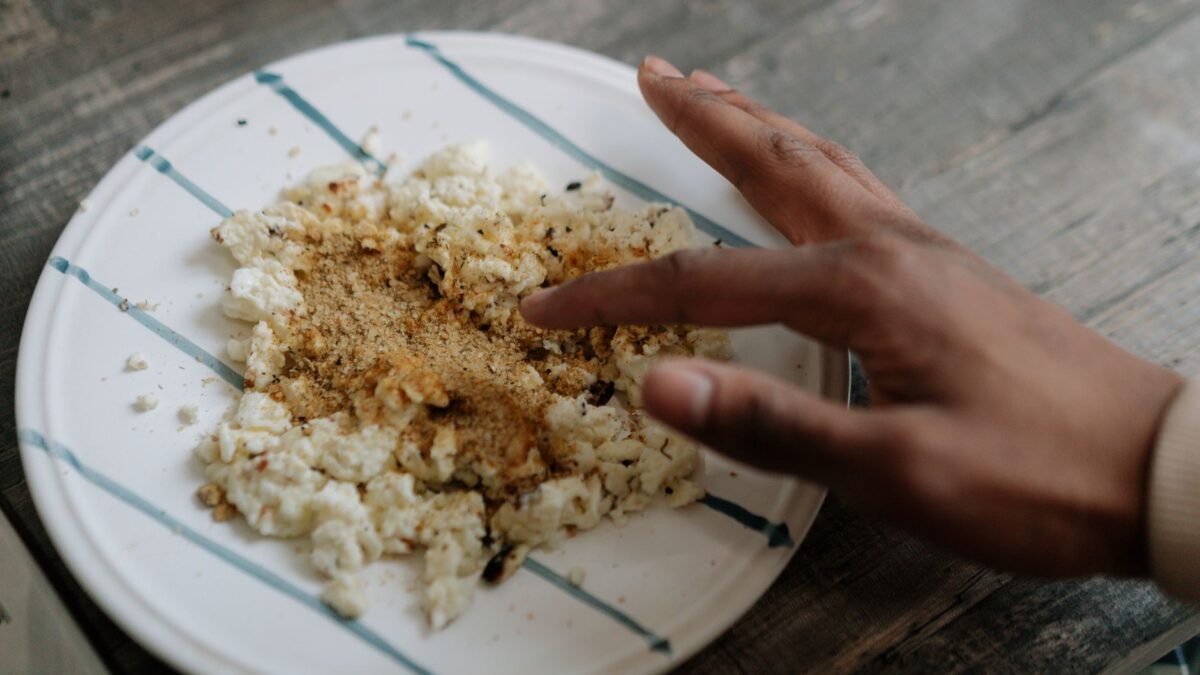
It is nine in the morning, and the air in Santo Domingo already feels like a warm, wet towel pressed against your face. This is the tail end of the rainy season; the sky is a heavy, bruised purple, threatening a downpour that will likely clear by noon. But before you seek shelter from the humidity, you need to eat. In the Dominican Republic, food is not just fuel—it is the primary language of love, history, and community. Whether you are navigating the colonial streets or hiding out in a modern café in Piantini, here is how to eat like a local without breaking the bank.
The Morning Ritual: Mangú and Street Bites
Your day should start with mangú. It sounds simple—boiled green plantains mashed until silky—but it is the soul of the island. Traditionally served with “los tres golpes” (the three hits): fried salami (salami frito), fried cheese (queso frito), and sautéed red onions, this breakfast is hearty enough to last you through a morning walking tour of the Zona Colonial.
You do not need a fancy hotel for this. Look for a comedor (a small, family-run eatery) in Gazcue or near the Metro stations. You can expect to pay about RD$150–250 (roughly US$3) for this plate. If you are rushing, hit a street cart for a chimichurri—the Dominican version of a burger, piled high with cabbage slaw and creamy sauces. It costs around RD$150–250 and is messy, delicious, and incredibly cheap.
After your meal, grab a cafecito. Dominican coffee is strong, sweet, and black. At a spot like Casa Barista & Co. or the cozy Flor de Café, a cup will run you about RD$120–220 (roughly US$2.9). It is the perfect price to watch the city wake up.
Lunch: La Bandera and Market Finds
No discussion of Dominican food is complete without la bandera (the flag). The colors match the national flag: white rice, red beans, and meat (usually chicken or beef stewed in sofrito), accompanied by a side salad and fried sweet plantains (maduros). It is the daily staple for millions of Dominicans.
For an authentic experience, skip the tourist traps on Calle El Conde and head to Mercado Modelo on Av. Mella. This covered market is a sensory overload of crafts, rum, and aromas. While you are there for the larimar jewelry, stay for the food stalls. A full plate of la bandera here costs between RD$250–500 (roughly US$6). It is honest food, served quickly, at prices that reflect the real cost of living here.
If you prefer a sit-down lunch with air conditioning and a menu that might include international options alongside local classics, mid-range restaurants in areas like Naco or Bella Vista will charge about RD$800–1,800 (roughly US$22) per person. Places like Buche Perico offer a great bridge between traditional flavors and modern presentation.
Dinner: From the Malecón to the Rooftops
As the sun sets, the city shifts. The heat breaks slightly, and the breeze off the Atlantic picks up. This is when you head to the Malecón (Av. George Washington). It is the city’s living room. Families stroll, musicians play, and the energy is palpable. Grab a seat at an open-air bar or restaurant like Adrian Tropical. Order a cold Presidente beer—around RD$120–250 (roughly US$3)—and some grilled seafood or a hearty stew.
For a more upscale evening, move into Piantini, the polished business district. Here, you will find fine dining establishments and rooftop bars with views of the skyline. Dinner here is pricier but still reasonable by global standards. A nice meal at a place like Casa Luca or La Dolcerie might cost you in the mid-range bracket, but the ambiance and service justify the spend. If you are craving dessert, La Dolcerie is famous for its pastries, which pair perfectly with the afternoon coffee culture we mentioned earlier.
Practical Tips: Transport and Safety
Eating well requires moving around, and Santo Domingo’s transit system is a marvel of affordability. The Metro is clean, safe, and costs a flat fare of only RD$20 (roughly US$0.3) per ride. You can also use the Teleférico cable car. An integrated trip using the metro, cable car, and OMSA bus within 45 minutes costs just RD$35 (roughly US$0.6). Yes, you read that right. The fare has been frozen since 2009 despite inflation, making it one of the cheapest ways to travel in the world.
For shorter hops, Uber and DiDi are reliable. A short ride across town might cost RD$120–480 (roughly US$2–8). Always have the app ready; it saves you from haggling with taxi drivers who may try to overcharge tourists.
Safety is generally good in tourist zones, but be aware of your surroundings. The Zona Colonial is patrolled by specialized tourist police (CESTUR). However, pickpocketing can occur in crowded places like Mercado Modelo. Keep your valuables hidden, especially when flashing your phone to take photos of the beautiful colonial architecture. Avoid empty side streets after dark, and stick to well-lit, busy avenues.
When to Visit and What to Expect
Right now, in early September, the city is buzzing. Schools have just reopened, and the cultural calendar is kicking into high gear. The 28th Santo Domingo International Book Fair (FILSD) is opening soon at Plaza de la Cultura, bringing poets and readers to the heart of Gazcue. Also, keep an eye out for the upcoming celebrations for Our Lady of Mercy on September 24th, where religious processions and street festivals will fill the air with music and incense.
Whether you are joining the nationwide earthquake drill simulations happening this week or simply enjoying the vibrant street life, remember that the Dominican Republic is best experienced slowly. Eat the plantains, drink the coffee, and let the rhythm of the merengue guide your steps. The food is cheap, the people are warm, and the memories are priceless.
Frequently asked questions
How much does a typical meal cost in Santo Domingo?
An inexpensive local meal like 'la bandera' at a comedor costs about RD$250–500 (roughly US$6). A mid-range restaurant dinner runs RD$800–1,800 (roughly US$22).
What is the best street food to try in the Dominican Republic?
Start with 'mangú con los tres golpes' for breakfast (about RD$150–250) or try a 'chimichurri' (Dominican street burger) from a cart for roughly RD$150–250.
Is public transportation cheap in Santo Domingo?
Yes, extremely. The Metro fare is a flat RD$20 (roughly US$0.3), and an integrated trip including the cable car and bus is about RD$35 (roughly US$0.6).
Where is the best place to buy local crafts and snacks?
Mercado Modelo on Av. Mella is the main hub for crafts like larimar and amber, as well as affordable street food meals costing RD$300–500.
Things to do in Dominican Republic
 Professional Photographer in Punta Cana for Private Events
 VIP Transfer from Punta Cana Airport to Punta Cana / Bavaro Hotel
 Hip Hop Party Boat Punta Cana with Snorkeling Only Adults
 Special offer
Buggy & ATV Adventure in Punta Cana + Macao Beach + Cave
 Private Luxury Catamaran - Saona or Catalina island
 PARTY BOAT - Private Sailing Catamaran