

What to eat in Estonia — and what it costs
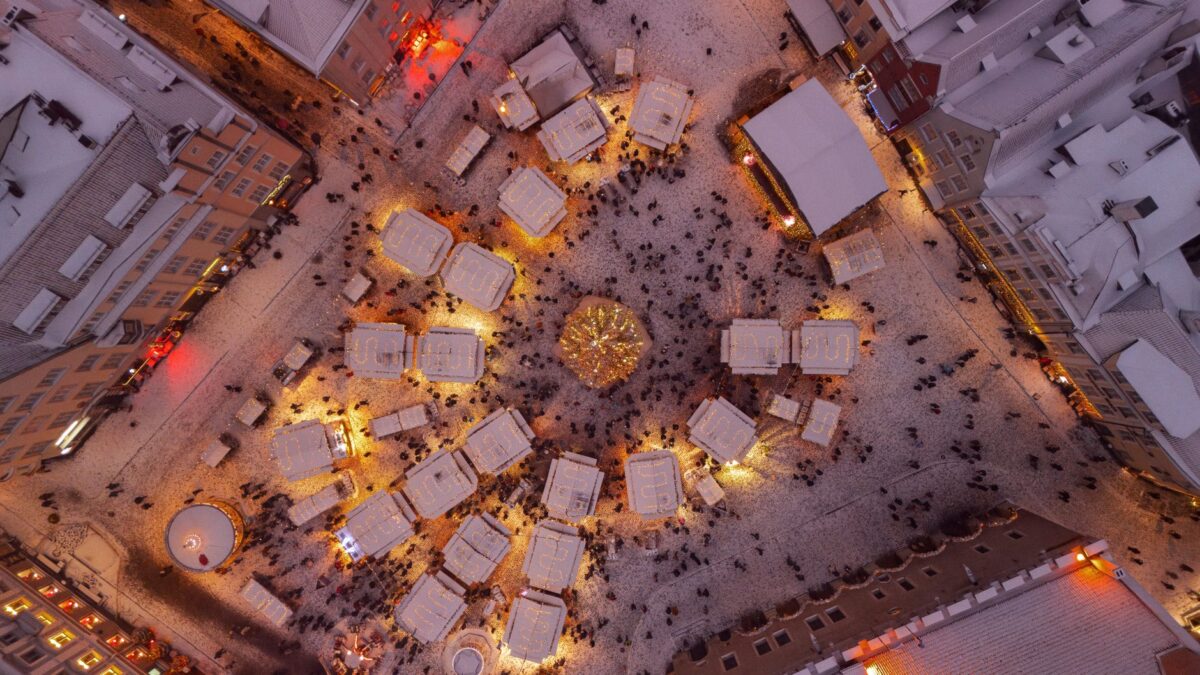
There is a specific quality to the light in Tallinn in early September. It is that fleeting moment when the long summer days begin to bow to autumn, casting a golden, melancholic glow over the red-tiled roofs of the Old Town. The air smells of damp cobblestones, roasted coffee, and the faint, earthy scent of mushrooms being dug up in the nearby forests. If you are here now, dodging the heavy drizzle that seems to have settled into the city’s bones, you are in the perfect season to eat your way through Estonia.
Estonian food is not about fuss; it is about honesty. It is rooted in what the land gives you: root vegetables, dairy, rye, pork, and fish from the Baltic Sea. But don’t let the simplicity fool you. This is cuisine that has survived ice ages, wars, and Soviet rationing, emerging today with a modern twist that rivals any capital in Northern Europe. Whether you are grabbing a €5 lunch special or sitting down for a multi-course feast, here is what you need to know about eating well in Tallinn without breaking the bank.
The Daily Anchor: Lunch Specials and Street Food
If there is one thing I wish every visitor knew, it is that the best value in Tallinn is found at midday. Locals call it “lõunasöök” (lunch), and it is the backbone of our culinary economy. You will see queues outside places like LIDO and Boheem, where daily lunch specials run between €5.50 and €9. These deals typically include a soup, a main course, and sometimes a drink or dessert. It is hot, fresh, and authentic—a far cry from the tourist traps charging double for the same meal at dinner time.
For something faster and more handheld, head to Balti Jaama Turg (Baltic Station Market). Located beside the Balti jaam train station in the Kalamaja district, this three-floor market is the heart of local food culture. On the ground floor, you can grab a plate of pelmeenid (Estonian dumplings) for around €6–8. They are hearty, often served with sour cream, and taste like home. Just upstairs, in the food hall, you can find mains ranging from €8 to €10. Look for the pirukad—savory filled pastries—that locals buy by the dozen. They are cheap, delicious, and perfect for walking through the rain.
You cannot leave Estonia without trying a kohuke. It is a chocolate-covered curd snack, available in every supermarket and gas station for about €1. It might sound like a gimmick, but it is creamy, sweet, and deeply nostalgic for anyone who grew up here. Eat it standing up on a street corner; it is the ultimate budget-friendly Estonian experience.
Dining Out: From Medieval Cellars to Modern Design
When evening falls and you want a proper sit-down meal, Tallinn offers incredible variety. The price point shifts noticeably, but the quality remains high. A typical meal at an inexpensive local place will cost you around €13.50, while a three-course dinner at a mid-range restaurant runs roughly €35 per person. For two people sharing wine and starters, expect to spend about €70.
In the Old Town (Vanalinn), you have choices that range from historical novelty to refined tradition. Olde Hansa is famous for its medieval atmosphere—you dine in a tavern with live music and period costumes. It is fun, if a bit theatrical, and prices are standard for the area. For something more intimate, try Restaurant Rataskaevu 16. Located in a 15th-century merchant house, it serves classic Estonian dishes with a modern touch. It is pricier, but the setting is unmatched.
If you prefer contemporary design, cross the river to the Kalamaja district. Here, in the restored wooden houses and creative spaces of Telliskivi, you will find spots like NOA Chef’s Hall in the Rotermann Quarter or casual bistros near the Balti Jaama market. In Kadriorg, the leafy park district, you can find upscale dining that feels worlds away from the tourist crowds. Try Farm for a focus on hyper-local ingredients—it is expensive, but it represents the pinnacle of Estonian gastronomy.
Don’t forget the beer. Estonia has a thriving craft beer scene, with Põhjala being a standout brand. A draft beer in a pub is considerably higher than the ~€1.20 you would pay for a bottle in a supermarket, but the quality justifies it. Pair it with some smoked fish from the market, and you have a perfect autumn evening.
Seasonal Flavors: Mushrooms, Berries, and Fish
Early September is the start of mushroom-picking season in Estonia. You will see baskets of chanterelles (sinikad) and porcini in markets everywhere. They are usually fried with onions and served as a side dish or mixed into rice. It is a simple preparation, but the flavor is intense and earthy. Similarly, sea-buckthorn (meriobus) is in season. You will find it in juices, jams, and even liqueurs. It is tart, vibrant orange, and incredibly healthy.
Seafood is another staple. While salmon and herring are common, look for pike-perch (taimne) or vendace (kiisk). At Lennusadam (the Seaplane Harbour), you can grab a quick bite at the cafe overlooking the water, enjoying the view of the submarine hangars while eating fresh fish. It is a great spot for sunset, especially as the days get shorter.
For a picnic, head to Kadriorg Park. Buy bread from RØST Bakery, cheese from the market, and some pickles from a local shop. Sit on the grass near the baroque Kadriorg Palace. It is free, beautiful, and exactly how locals spend their last warm weekends.
Practical Tips for Eating Well
Tallinn is very safe, so you can wander freely with your food. However, keep an eye on your belongings in the crowded Old Town. Public transport is easy to use; a single ticket is €2, and visitors can use the Pilet.ee app or a contactless card. Residents ride free with a registered Ühiskaart card, but tourists should stick to the paid options.
If you are staying longer, consider opening a bank account. Banks like LHV or Swedbank are expat-friendly, but you will need a local SIM card first for verification. Once you have a bank account, you can access the full range of e-services, including online grocery delivery, which is surprisingly efficient in Estonia.
Finally, embrace the silence. Estonians are not loud diners. We appreciate quiet conversation and good food. Do not expect excessive chatter from service staff; they are professional and direct. But if you ask about the day’s catch or the origin of the mushrooms, you will likely get a genuine answer. That is the Estonian way: honest, straightforward, and deeply connected to the land.
So, go ahead. Grab a kohuke, find a lunch special, and savor the flavors of this small country with a big appetite. You will leave with a fuller stomach and a deeper understanding of why we love our home so much.
Frequently asked questions
What is the average cost of a meal in Tallinn?
A meal at an inexpensive local place costs around €13.50, while a three-course dinner at a mid-range restaurant is approximately €35 per person. Daily lunch specials are significantly cheaper, often €5.50–€9.
Where can I find authentic Estonian street food?
The best place is Balti Jaama Turg (Baltic Station Market) in Kalamaja. You can find pelmeenid (dumplings) for €6–8 and pirukad (savory pastries) for a few euros each.
Is tallinn expensive compared to other European capitals?
Tallinn remains noticeably cheaper than Nordic and Western European capitals. A monthly rent for a modest flat outside the center is around €520, and local beer in supermarkets is about €1.20.
What are the must-try traditional snacks in Estonia?
Try a kohuke (chocolate-covered curd snack) for about €1, and look for seasonal mushrooms like chanterelles and berries like sea-buckthorn in late summer and early autumn.
How do I pay for public transport to get to food markets?
Visitors can buy a 1-hour ticket for €2 or use the Pilet.ee app. Tap your card or phone on the validator when boarding buses, trams, or trolleybuses.


