

What to eat in Georgia — and what it costs
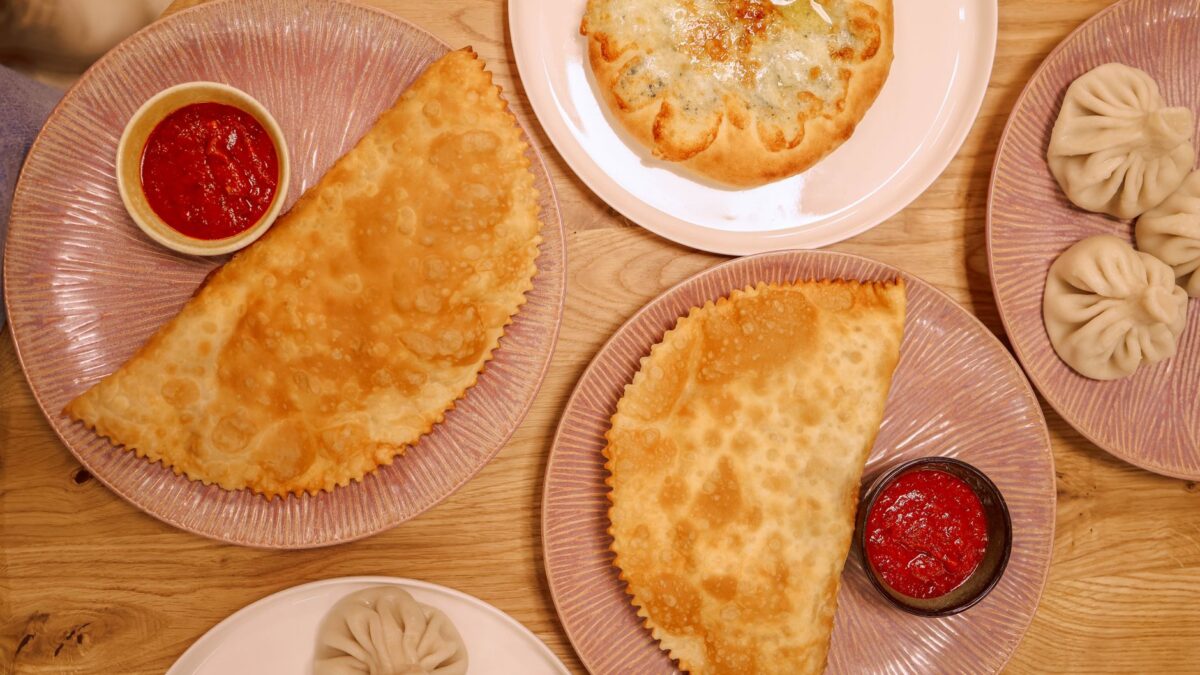
There is a specific smell in Tbilisi in mid-October that hits you the moment you step out of the metro: crushed grapes, woodsmoke, and the faint, sulfurous tang rising from the Abanotubani baths. It is the tail end of rtveli, the grape harvest, and the city feels heavy with abundance. The days are still warm—hovering around 23°C—but the evenings drop sharply, inviting you to huddle over steaming plates of cheese and dough. If you think Georgian food is just khachapuri and wine, you are only scratching the surface of a culinary tradition that has kept this small nation fed for millennia.
I am Nino, and I live here. I want to save you from the tourist traps that serve frozen dumplings at premium prices. Tbilisi remains one of Europe’s most affordable capitals, but like any good place, it rewards those who know where to look. Here is what to eat, where to find it, and exactly how much it will cost your wallet.
The Golden Standard: Khinkali and Khachapuri
You cannot visit Georgia without eating these two pillars, but the experience varies wildly depending on whether you are in a local canteen or a renovated merchant mansion. Let us start with khinkali. These are not merely dumplings; they are handheld soups wrapped in thick dough. You hold them by the top knot (kudi), take a bite, drink the broth, and then either eat the knot or leave it on your plate—that is the unwritten rule.
For the authentic experience, skip the fancy restaurants near Freedom Square. Head to a dedicated satchapni (khinkali house). At places like Khinkali Collection in the Marjanishvili district, you will pay roughly ₾0.8–1 per piece. A standard portion of five costs about ₾6–10. It is cheap, hot, and delicious. In contrast, if you order khinkali at a tourist-focused spot, expect to pay ₾2–3 per piece. Do not let anyone tell you that the meat must be spicy; authentic Georgian khinkali is seasoned with black pepper and cilantro, never chili heat.
Then there is khachapuri. While the Adjaruli (boat-shaped with egg and butter) gets all the Instagram fame, the true heart of Georgian baking is the Imeretian khachapuri—a round, flat bread filled with salty sulguni cheese. Locals buy these fresh from bakery windows. At a local bakery, a simple Imeretian khachapuri costs about ₾3–5. If you sit down in a proper restaurant like Satchashnike – Restaurant, Pub & Grill, you might pay ₾6–8 for a high-quality version. Tourist spots often charge ₾10–15 for the same thing. Look for the queues of locals; that is your best indicator of value.
Street Food and Market Snacks
Tbilisi’s street food scene is not about burgers or kebabs; it is about preservation and simplicity. In October, the markets are overflowing with seasonal produce. Walk through Dezerter Bazaar near Station Square, and you will see strings of churchkhela hanging like candles. This is walnut or almond meat dipped in concentrated grape juice (tatara) and dried. It is sweet, dense, and perfect for a hike. You can buy these for mere laris—often less than ₾1 per string—and they last for months.
Another essential snack is lobio, a slow-cooked bean stew served in a clay pot (pepsi). It is usually accompanied by mchadi, a cornmeal bread used as a utensil to scoop up the beans. This is the definition of comfort food. You can find a bowl of lobio at a no-frills local canteen for around ₾8–15. It is hearty, vegetarian-friendly, and costs less than a cup of coffee in Western Europe.
If you need a quick lunch while wandering Sololaki, look for supra-style casual eateries. A filling local lunch, including a salad, soup, and main course, runs approximately ₾10–15. For a more formal sit-down meal at an inexpensive local place, budget around ₾25–30. This is not fine dining, but it is honest, home-style cooking that defines the Georgian table.
Dining Out: From Canteens to Mid-Range
When you are ready for a proper dinner, Tbilisi offers incredible value. The city has seen an influx of remote workers and expats, which has driven up rents in districts like Vake and Sololaki, but food prices remain surprisingly grounded. A three-course meal for two at a mid-range restaurant—think Restaurant Hide or a wine bar in Chugureti—will cost you roughly ₾100–110. This includes appetizers, mains, and wine.
Wine is non-negotiable in Georgia. As the birthplace of wine, with ~8,000 years of qvevri history, you must try it. In a local restaurant, a bottle of house wine might cost ₾15–20. If you visit a specialized wine bar in Fabrika or Old Tbilisi, expect to pay ₾25–40 for a glass of amber wine fermented in clay vessels buried underground. The Russian ban on some Georgian wines mentioned in the news recently has actually sparked a surge in domestic consumption, meaning local wineries are eager to showcase their quality at home.
For breakfast, do not settle for hotel buffets. Go to a coffee shop like Lui Coffee or Kvarts coffee. A regular cup of coffee costs about ₾8. Pair it with a slice of parakhi (a layered pastry) or a fresh pirushki (fried turnover). If you prefer to cook at home, a loaf of bread is roughly ₾1.5, and a liter of milk is about ₾5.6. Groceries are incredibly affordable, making self-catering a viable option for longer stays.
Beverages and Nightlife Costs
Alcohol in Georgia is a cultural ritual, not just a night out. Beer is ubiquitous. A 0.5 L bottle of local beer in a supermarket costs around ₾4.5. In a bar, it might be ₾6–8. If you head to Ludis Mediani (Beer Square) in Dighomi, a bit further out, you can enjoy a vast outdoor seating area with dozens of beers on tap for very reasonable prices.
Non-alcoholic options are equally rich. Pomegranate juice, freshly squeezed at market stalls, is sweet and tart, costing about ₾3–5 per glass. Grape juice, often cloudy and unfiltered, is even cheaper. Water is safe to drink in most parts of the city, but many locals prefer bottled mineral water from springs like Jvari.
If you choose to dine late, remember that taxis are cheap. A short ride across the center via Bolt or Yandex Go runs about ₾3–5. Even a trip to the airport costs roughly ₾15–25. Public transit is even better: a single fare for the metro or bus is just ₾1, with free transfers within 90 minutes. A monthly transit pass is only ₾40. Use the Metromoney card or your contactless bank card to pay.
Practical Tips for the Eater
As you navigate Tbilisi’s food scene, keep in mind the current social atmosphere. With daily protests continuing outside Parliament and official visits bringing police presence to Rustaveli Avenue, stay aware of your surroundings. However, the food culture remains vibrant and welcoming. Restaurants are hubs of conversation, and locals are proud to share their cuisine.
Payment is easy. Most places accept cards, but carry some cash for markets and small bakeries. Banks like Bank of Georgia and TBC Bank are reliable, though opening an account requires an in-person visit due to strict KYC rules. If you are staying long-term, consider getting a local SIM from Magti or Silknet, as a Georgian number is often required for digital services.
Finally, embrace the pace. Georgian meals are not rushed. A dinner can last hours, accompanied by toastmaster (tamada) speeches if you are part of a larger group. Even in a casual setting, take your time. Taste the churchkhela, sip the qvevri wine, and listen to the clatter of khinkali being eaten. That is the real flavor of Georgia.
Frequently asked questions
How much does a typical meal cost in Tbilisi?
A filling local lunch at a no-frills canteen costs around ₾10–15. A sit-down meal at an inexpensive restaurant is approximately ₾25–30, while a mid-range three-course meal for two is about ₾100–110.
Where can I get the best khinkali in Tbilisi?
For authentic khinkali, visit dedicated satchapni houses like Khinkali Collection in Marjanishvili. Local portions cost ₾6–10 for five pieces, whereas tourist spots may charge significantly more.
Is street food safe and affordable in Georgia?
Yes, street food like churchkhela and fresh bread is very safe and cheap. Churchkhela strings cost less than ₾1, and fresh bread is around ₾1.5. Markets like Dezerter offer high-quality produce at low prices.
How much does a glass of wine cost in Tbilisi?
In local restaurants, house wine bottles range from ₾15–20. Wine bars in areas like Fabrika or Old Tbilisi typically charge ₾25–40 per glass of qvevri wine.
What is the cost of public transport in Tbilisi?
A single metro or bus fare is ₾1, with free transfers within 90 minutes. Monthly passes are ₾40. Short taxi rides via Bolt average ₾3–5.


