

What to eat in Ghana — and what it costs
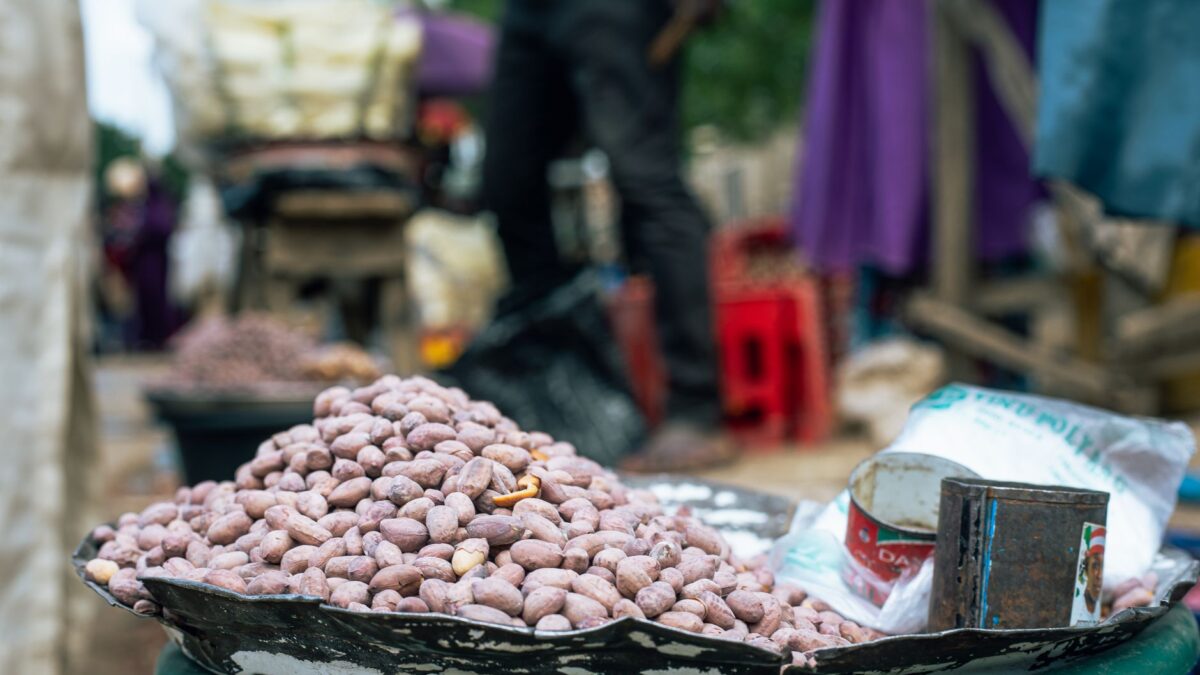
The humidity in Accra doesn’t just sit on you; it hugs you with the weight of a wet towel. It is late September, and the sky is that familiar bruised purple-grey, threatening the evening downpours that will soon wash the dust off Oxford Street. I am sitting at a plastic table outside a chop bar in Osu, watching the rain start to drizzle while my plate steams. In Ghana, food is not merely sustenance; it is the primary language of hospitality, history, and survival. As a resident host who has navigated these streets for years, I can tell you that eating well here costs very little, but finding the right spot requires knowing where to look beyond the glossy hotel lobbies.
Waakye: The Daily Staple That Defines Accra
If you ask any Ghanaian what they ate for breakfast, lunch, or dinner, the answer is often waal yɛ—rice and beans cooked together with dried sorghum leaves, giving it a distinctive reddish-brown hue. This is the undisputed king of street food. You will find vendors everywhere, from the bustling corners of Makola Market to quiet residential streets in East Legon. But there is a hierarchy. A simple plate from a roadside stall will set you back about GH₵15–25 (roughly $1.8). For this, you get a mound of rice, beans, shito (black pepper sauce), spaghetti, boiled egg, and usually gari or fried plantain.
To elevate the experience, head to Tribeca Ghana or similar mid-range spots in the Airport Residential Area if you want a cleaner, air-conditioned environment, though the soul of waakye is best found on the pavement. At a local eatery near Ridge Hospital in Adabraka, you might pay around GH₵20 for a generous portion. The key is the shito. If the vendor’s black pepper sauce is spicy and rich with dried fish and shrimp, you have found a winner. Do not skip the boiled egg; soak it in the sauce. It is the cheapest, most satisfying meal you will eat in West Africa.
Fufu and Light Soup: The Chop Bar Experience
Moving from street stalls to the iconic ‘chop bars’—no-frills, open-air restaurants where locals gather after work—you enter the realm of fufu. This pounded cassava and plantain dough is eaten with your hands, rolled into a smooth ball, dipped into soups, and swallowed whole. There is no cutting involved. The most common pairing is light soup with goat meat or tripe. In a typical chop bar in Labone or Cantonments, expect to pay GH₵50+ (about $5) for a bowl that includes meat and sides. It is hearty, protein-rich, and deeply comforting during the rainy season.
For a more refined take on traditional dishes, Treehouse Restaurant in the leafy Cantonments district offers a sophisticated menu that respects local ingredients while providing the comfort of chilled air and reliable service. Here, a meal with a drink might run you GH₵80–150 (around $10). While pricier than the street corner, you are paying for consistency, hygiene, and the ability to converse without shouting over the noise of traffic. The atmosphere here reflects the diplomatic quarter’s calm—leafy trees, spacious tables, and a clientele of young professionals and expats.
Kenkey and Banku: Fermented Flavors by the Sea
In Jamestown, the historic fishing harbor district, the air smells of salt and smoke. This is the place for kenkey and banku. Kenkey is fermented corn dough wrapped in corn husks or banana leaves and steamed. It is dense, sour, and perfect with fried fish and hot pepper. A simple ball of kenkey with fish and sides costs roughly GH₵30–35 (about $4) at a local shack, though basic portions can be as low as GH₵5–7 (approx. $0.5) if you are buying just the staple from a market vendor. Look for the stalls near the Brazil House, where Afro-Brazilian heritage mixes with Ga traditions.
Banku, made from fermented corn and cassava dough, is often served with grilled tilapia and fresh pepper sauce (sahwe). At a street-side grill in Jamestown or Ushertown, a plate of banku with grilled tilapia costs about GH₵30–50 (roughly $4). The fish is charred over charcoal, smoky and tender. This is where you feel the pulse of old Accra. After eating, walk up to the Jamestown Lighthouse (built in 1875) to watch the Atlantic waves crash against the rocks—a stark contrast to the humid chaos of the market below.
Nightlife Eats and Modern Accra
As night falls, Accra comes alive. Oxford Street in Osu becomes a neon-lit spine of activity. The Osu Night Market area is a hub for street food after dark. You can grab kebabs, kelewele (spiced fried plantain), and cold beers for about GH₵30–50 (around $4) per person. It is lively, loud, and safe enough if you keep your wits about you. However, be aware that this strip is also prone to petty theft and overcharging, so keep bags closed and cash secure.
For those seeking a quieter evening, the cafes in East Legon offer a different vibe. Places like Dear Lola Bakehouse serve excellent pastries and coffee, catering to the expat families and modern professionals who dominate this premium suburb. A loaf of bread here might cost GH₵12 (about $1.1), reflecting the higher rents and operational costs in this area. If you prefer live music, check the listings for events at the Gold Coast Restaurant and Lounge in Cantonments, which recently hosted reggae festivals, offering a cultural immersion alongside good food.
Practical Costs and Getting Around
Accra is among the most expensive cities in West Africa, with rents and food prices rising sharply in recent years. A modest one-bedroom flat in outer districts like Madina or Adenta costs GH₵1,200–2,500 (approx. $170) monthly, often demanded 1–2 years upfront. Mid-range hotels in Osu or Cantonments range from GH₵1,300–2,700 (about $180) per night. Transportation varies wildly: a short trotro (shared minibus) ride costs GH₵5–8 (roughly $0.6), while a Bolt or Uber trip across town runs GH₵30–50 (around $4).
Remember that mobile money (MTN MoMo) is how most small payments are made. Carry small notes for street food, but use digital payments for larger bills or transport. The city is stable, but vigilance is key. Stick to registered taxis at night, and do not be afraid to negotiate prices at markets. Food is cheap, but the overall cost of living in Accra is high. Enjoy the flavors, respect the pace, and let the humidity wash over you—it is part of the experience.
Frequently asked questions
How much does a typical street meal cost in Accra?
A plate of waakye from a street vendor costs about GH₵15–25 (roughly $1.8). More elaborate meals like banku with grilled tilapia at local eateries range from GH₵30–50 (around $4).
Where can I find authentic fufu in Accra?
You can find fufu at traditional chop bars in areas like Labone, Cantonments, or near Ridge Hospital. Prices are typically GH₵50+ (about $5) for a bowl with light soup and meat.
Is it safe to eat street food in Osu?
Yes, but exercise caution. Keep your bags closed and be aware of petty theft on Oxford Street. Stick to busy, reputable stalls and ensure food is freshly prepared and hot.
What is the best area for dining in Accra?
Osu (Oxford Street) is best for nightlife and street food, while Cantonments and East Legon offer upscale, air-conditioned restaurants suitable for families and expats.


