

What to eat in Italy — and what it costs
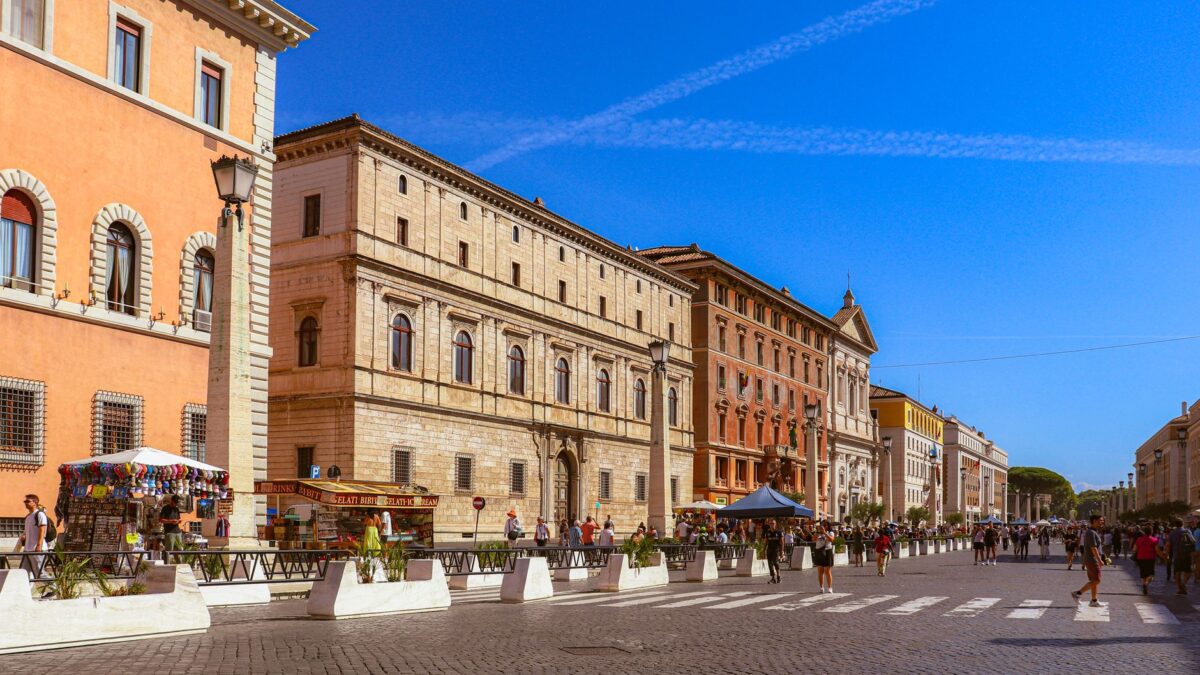
It is late September, and the air in Rome still holds that golden, sticky warmth of August, but the city has finally woken up. The settembrata is here—the moment locals reclaim their streets after the great exodus. If you are standing near the Pantheon right now, you might notice the oculus open to a sky that looks ready to burst, or perhaps you are dodging the long queues at Roma Termini where a national rail strike has turned ticket halls into snake pits. But forget the strikes and the closed Metro C stations for a moment. You are here for the food.
Rome does not do “fast” well, especially when it comes to sustenance. It does, however, do honest, loud, and deeply satisfying meals. Whether you are hunting for a supplì on the run or planning a sit-down feast in Trastevere, the key is knowing where to look and what to expect to pay. Let me walk you through the real cost of eating like a Roman, from the street corner to the table.
The Street Food: Speed, Grease, and Glory
In Italy, street food is not an afterthought; it is a discipline. You cannot rush this. The best bites are often found in the shadows of history or in the bustling markets where chefs buy their own ingredients.
Your first mission must be the Mercato di Testaccio. This is the beating heart of Roman gastronomy. Located in the former slaughterhouse district, it is where local chefs shop. Do not wander in expecting a quiet lunch; go hungry and move fast. Look for the stalls selling supplì—fried rice balls with mozzarella and tomato sauce—and the trapizzino, a triangular pocket of pizza dough stuffed with saltimbocca or chicken cacciatore. A single supplì will set you back roughly €2 to €3. Two? That’s your snack. If you find a stall serving picchiapò (a type of fried sandwich), budget around €4. These places are cash-only, often have no chairs, and the line moves with the speed of light.
If you are wandering near the Colosseum, avoid the restaurants with photographers outside. Instead, seek out Pane e Salame. It is a deli-style spot that serves incredible sandwiches. You can get a substantial meal for about €8 to €10. It is not fancy, but it is fuel that will last you through a morning at the Roman Forum.
For something sweeter, head to Achille Al Pantheon di Habana. While they are famous for their savory pies, their dessert offerings are legendary. A slice of pie here costs around €5 to €7. It is heavy, rich, and perfect for sharing while standing on the cobblestones beneath the ancient dome.
Lunch: The Pranzo Strategy
Romans eat lunch early and seriously. The menu del giorno (daily menu) is your best friend. In neighborhoods like Monti or Prati, you will find trattorias offering a three-course meal for a fixed price.
In Monti, the gentrified village near the Colosseum, you might stumble upon a wine bar along Via dei Serpenti. Here, you can order a tagliere (charcuterie board) and a glass of house wine. Expect to pay between €15 and €20 per person for a solid lunch that includes antipasto, primo (pasta or risotto), and maybe a second course if you are very hungry. This is not cheap, but you are paying for location and quality.
For a more traditional experience, look for Osteria da Fortunata. It is a bit of a trek, but worth it. Their pasta dishes range from €10 to €14. Add a bottle of house wine (usually €15-€18 for a liter) and bread (€2-€3), and you are looking at a comfortable €30 to €40 per person. This is the sweet spot: affordable, authentic, and filling.
Remember, many kitchens close strictly between 2:30 PM and 7:00 PM. If you miss the lunch window, you may have to wait until dinner, so plan accordingly. And if you are visiting during the Romaeuropa Festival, which opens its doors on September 8th, check if your chosen osteria participates in special festival menus. Prices might be slightly higher, but the atmosphere is electric.
Dinner: Sit-Down Soul Food
Dinner in Rome is a social event. It starts late, usually after 8:00 PM, and lasts long. The districts of Trastevere and Testaccio are alive with noise and laughter. Piazza Trilussa in Trastevere is the epicenter of this chaos, and rightly so.
Cantina e Cucina is a staple in Trastevere. It is cozy, crowded, and incredibly warm. Order the cacio e pepe or carbonara. These dishes are deceptively simple but require masterful technique. A pasta dish here will cost around €12 to €16. Add an appetizer like carciofi alla giudia (Jewish-style artichokes) for about €10, and a glass of wine for €6-€8. Your total bill for two people, without dessert, will likely hover around €50 to €60. It is a fair price for the ambiance and the skill.
If you want to splurge, consider La Nuova Piazzetta. It is a historic institution, known for its white-tablecloth service and exquisite seafood. Here, a tasting menu can start at €80 per person, excluding wine. For a la carte, expect mains to range from €25 to €40. This is fine dining, but it is Roman fine dining—rooted in tradition, not molecular gastronomy. The view from some tables towards the river is breathtaking, especially as the sun sets.
Do not overlook the Vatican area. While tourist traps abound, Hotel Cortina Rome has a restaurant that offers high-quality Italian cuisine in a refined setting. A dinner here might cost €40 to €60 per person, but the consistency is reliable. If you prefer something more casual nearby, look for smaller enotecas in Prati. They often offer excellent value, with pasta dishes around €11 and wines by the glass for €5.
Beverages and Coffee Culture
You cannot talk about Rome without coffee. But please, do not order a cappuccino after 11:00 AM. It is considered a breakfast drink only. Instead, order an espresso (un caffè). At Sant’ Eustachio Caffè, a historic spot near the Pantheon, a coffee costs about €1.20 to €1.50. The secret? They add a pinch of sugar and use a unique pressure method. It is smooth, strong, and unforgettable.
For wine, embrace the seasonal harvest. Early September marks the beginning of vendemmia (grape harvest). The Vinòforum festival runs from September 7th to 13th, celebrating this transition. House wine (vino della casa) is almost always included in your meal price or offered at a low cost, around €3 to €5 per glass. It is often rougher than commercial bottles but pairs perfectly with hearty pasta.
If you need a break from alcohol, try the aperitivo. Between 6:00 PM and 8:00 PM, many bars offer free snacks with your drink. A Negroni or Aperol Spritz costs around €10 to €12. This is a great way to watch the world go by in areas like EUR or Monteverde, where the vibe is more relaxed and family-friendly.
Practical Tips for the Hungry Traveler
Keep your wallet handy. Many smaller eateries, especially in the markets and historic centers, are cash-only. ATAC transit tickets are €1.50 for a single ride, so budget for transport if you are hopping between districts like Testaccio and Monti.
Watch out for pickpockets, particularly around Termini station and major tourist spots like the Colosseum. Keep your money secure. Also, be aware that many places close for fermata (break) in the afternoon. Always check opening hours.
Finally, enjoy the pace. Rome is not New York. Take your time. Savor the frutta—figs and grapes are in season now. Eat them on the steps of the Gianicolo viewpoint as the light fades. That is the true taste of Italy.
Frequently asked questions
How much does street food cost in Rome?
Street food is very affordable. A supplì or trapizzino typically costs between €2 and €4. A substantial sandwich from a place like Pane e Salame can range from €8 to €10.
Where can I find the best carbonara in Rome?
Traditional carbonara is served in trattorias across all districts. Cantina e Cucina in Trastevere and Osteria da Fortunata are highly regarded. Expect to pay €12-€16 for a pasta dish at these established venues.
Is it expensive to eat dinner in Rome?
Dinner varies widely. A casual meal in a neighborhood osteria costs €30-€40 per person. Fine dining at places like La Nuova Piazzetta can start at €80 per person for a tasting menu.
What is the average price of a coffee in Rome?
An espresso at a historic cafe like Sant' Eustachio Caffè costs approximately €1.20 to €1.50. Avoid ordering cappuccino after 11 AM, as it is considered a breakfast drink.
Are restaurants in Rome cash-only?
Many smaller eateries, especially in markets like Mercato di Testaccio and traditional trattorias, are cash-only. It is wise to carry euros for street food and small purchases.
Things to do in Italy
 Likely to sell out
Authentic Puglia Cooking Class in a Local Family Home Near Lecce
Likely to sell out
Authentic Puglia Cooking Class in a Local Family Home Near Lecce
 Visit in Pompeii - Pompeii Private Tour with Ada
 Lake Como Private Boat Tour from Bellagio with a Local
 Private Tour explore Vulcano Island by Kayak & Coasteering
 Sassi di Matera guided tour with Giulio
 Special offer
The BEST Private Amalfi Coast Vespa Tour
Special offer
The BEST Private Amalfi Coast Vespa Tour