

What to eat in Kazakhstan — and what it costs
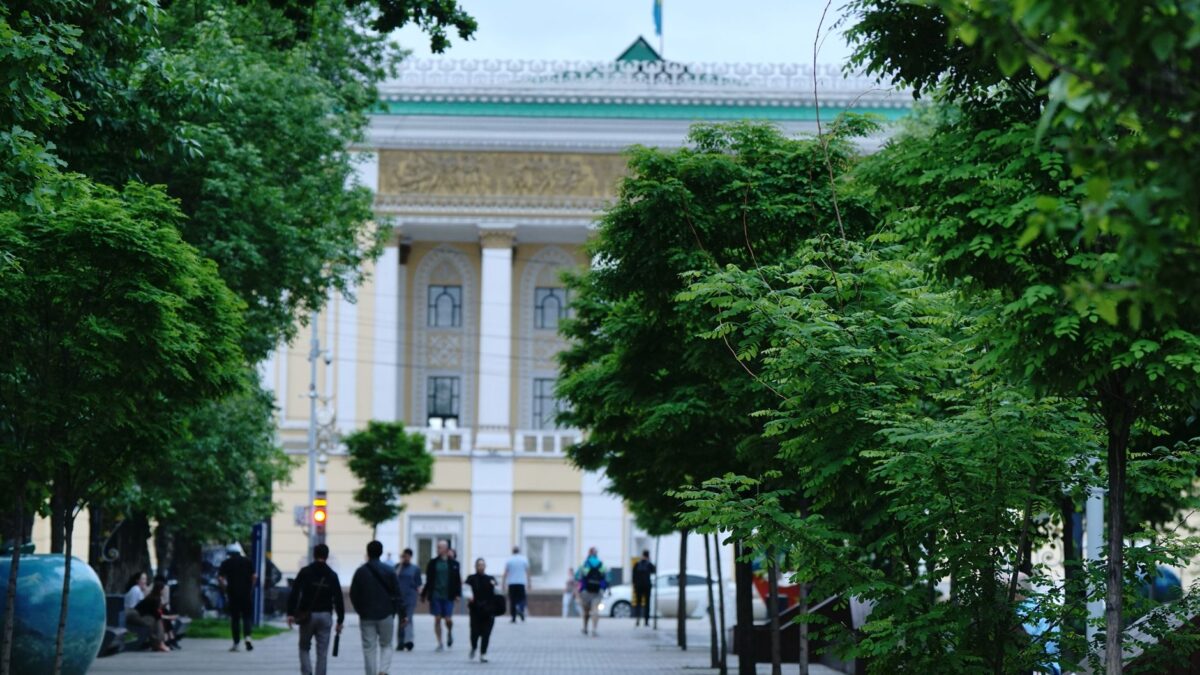
Astana in late October is a study in greys and winds. The steppe has shed its leaves, the sky hangs low and overcast, and the temperature hovers around -2°C to 7°C. It feels raw, honest, and deeply cold. This is not the season for salads or light bites. When the wind whips down from the north across the Ishim River, your body craves heat, fat, and salt. Food here isn’t just sustenance; it’s armor against the coming snow. If you are visiting today, Republic Day, you will find the city bustling with official events at the Palace of Independence and heavy construction dust on Syganak Street, but the real pulse of the capital beats in its kitchens and bazaars.
The Heavy Hitters: Beshbarmak and Horse Meat
You cannot talk about Kazakhstan without talking about meat, specifically horse meat. In these cooler months, the shift toward winter foods is immediate. You will see kazy (cured horse sausage) hanging in every butcher shop window. It is salty, rich, and perfect for slicing thin onto bread with a hot cup of tea. But the main event is beshbarmak. Translated roughly as “five fingers,” this dish gets its name from the traditional way of eating it—using your hands. It consists of boiled meat (usually horse or beef), served over hand-pulled flat noodles in a savory broth.
For the most authentic experience, you need to go to a place that treats this as a ritual, not just a menu item. Head to Saksaul, a well-known restaurant that specializes in national cuisine. It is reliable, warm, and serves beshbarmak exactly as grandmothers make it. A sit-down meal here, shared between two people with a few courses, will cost you roughly ₸17,500 (about $35). If you are eating alone at a more casual canteen-style spot, expect to pay around ₸4,800 ($10) for a hearty portion. The price reflects the generosity of the portions; you will leave full, and likely too full to walk back to your hotel.
Street Food and Quick Bites
If you are walking through the Yesil district or heading toward the EXPO site, you don’t always have time for a three-course meal. Astana’s street food culture is robust, particularly in the colder months when hot food is king. Look for samsa—flaky pastry pockets filled with minced meat and onions. They are often baked in clay ovens and sold hot out of paper bags.
For coffee breaks, the city is dotted with modern cafes that offer a respite from the grey weather. Places like Coffee Boom or Rafe Coffee and Food provide excellent cappuccinos for around ₸1,160 ($2.50). It’s a small luxury, but in an economy where inflation is hovering around 11.4%, these prices remain surprisingly stable for daily goods. A loaf of white bread costs about ₸280 ($0.60), and a liter of milk is roughly ₸580 ($1.20). These are baseline figures that tell you how far your tenge goes in the supermarket versus the restaurant.
Don’t overlook the lagman, a noodle soup with stir-fried vegetables and meat. It is often found in smaller eateries scattered throughout the Almaty district, the older part of town. It is cheap, fast, and comforting. A simple bowl might run you closer to the ₸3,500–₸7,000 range for a lunch-time meal at an inexpensive local spot.
Where to Eat: District by District
Astana is spread out, and your choice of restaurant depends heavily on which side of the river you are on. The left bank (Yesil district) is home to the shiny new towers, the Khan Shatyr entertainment center, and the ministries. Here, dining is more polished. Qazaq Gourmet is a standout here if you want to try modern interpretations of traditional dishes. It’s pricier, but the ambiance matches the sleek architecture surrounding it.
On the right bank, in the Almaty and Saryarka districts, things feel more grounded. This is where the Soviet-era buildings mix with newer developments. For a genuine taste of local life, wander near the Old Square or the old railway station area. While the ground truth notes that some areas can be rough, the food spots here are often the most affordable. You might find a small cafe serving shashlik and fresh lavash bread for a fraction of the cost of the left-bank restaurants.
If you are staying near the Expo site or the Nur Alem Museum, Line Brew Astana offers a different vibe—a craft beer and food combination that appeals to the younger, international crowd. With ICAO Security Week bringing aviation regulators into town, these places are often busy with business travelers looking for a break from conference halls. A draft beer here costs around ₸680 ($1.50), which is a bargain compared to Western capitals.
Practicalities: Getting Around and Paying
Eating well in Astana is easy; navigating the city requires a bit of strategy. There is no metro, so you rely on buses and taxis. A single bus ride costs ₸110 if you use a contactless card or the Avtobys app, but ₸220 if you pay cash. Always use the digital payment methods. The Kaspi.kz app is the heartbeat of the local economy. Half the country uses Kaspi QR for payments, including at many food stalls and small cafes. If you are staying longer than a few days, getting a Kaspi card (with an IIN) will save you time and hassle.
Taxis are abundant via Yandex Go. A short cross-town ride should run between ₸1,000 and ₸2,000 ($1.7–$4.3). Be wary of unmarked taxis at the airport or the old train station; they may try to overcharge tourists. Stick to the app. Also, note that with ongoing LRT construction on Syganak and Aitmatov streets, traffic jams are common. Factor in extra time if you have dinner reservations.
Housing is the one area where costs are rising, with rents up 25–30% year-on-year. However, daily expenses remain accessible. You can eat well on a modest budget. Just remember that winters are harsh. Dress warmly, even for short walks to the market, and enjoy the food while it’s hot. The warmth of the kitchen is what makes Astana livable in October.
Frequently asked questions
What is the most traditional dish to try in Kazakhstan?
Beshbarmak is the national dish, consisting of boiled horse or beef meat served over hand-pulled noodles. It is best enjoyed in winter and is widely available at restaurants like Saksaul.
How much does a meal cost in Astana?
An inexpensive local meal costs around ₸4,800 ($10), while a three-course meal for two at a mid-range restaurant is approximately ₸17,500 ($35).
Is it safe to eat street food in Astana?
Yes, street food like samsa and lagman is popular and generally safe. Ensure items are cooked fresh and hot, especially during the cold autumn months.
Do I need cash for food purchases in Astana?
While cash works at bazaars, most transactions are done via the Kaspi.kz app or contactless cards. Having a local payment method is highly recommended.
What are the best areas to find authentic Kazakh cuisine?
The right bank (Almaty and Saryarka districts) offers more traditional and affordable options, while the left bank (Yesil district) has upscale venues like Qazaq Gourmet.
Things to do in Kazakhstan
 Astana City Tour: Private Full Day with Lunch and Comfort Pickup
 Private Full Day Almaty City Tour
 Discovering 6 Stunning Sights on Private Tour of Charyn Canyon
 1 Day Private Tour to Charyn Canyon, Kolsay and Kaiyndy
 Astana: KarLag and Karaganda - Private USSR history tour
 1 Day Group Tour to Charyn Canyon, Kolsay Lake and Kaindy Lake