

What to eat in Lithuania — and what it costs
It is that specific time of year in Vilnius when the sky turns the colour of wet slate and the light gives up by four in the afternoon. The air bites at 2°C, and the pavements are treacherous with black ice, as the city’s winter service scrambles to treat 1,300 km of streets. But inside, it is warm, and it smells of roasted root vegetables, smoked meat, and yeast. This is not the season for salads or light bites. In Lithuania, November demands comfort food—dense, hearty dishes designed to keep you alive through the grey damp. If you know where to look, you can eat like a local without emptying your wallet.
The Potato Dumplings You Cannot Miss
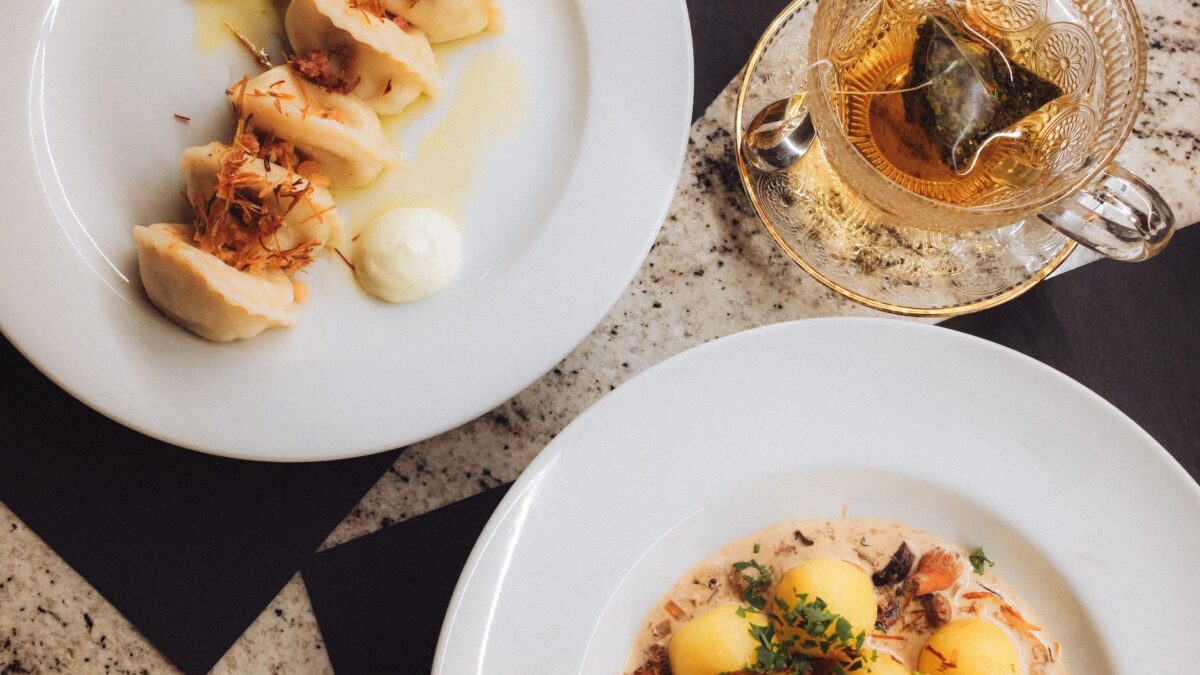
You cannot talk about Lithuanian food without mentioning cepelinai. These are not mere dumplings; they are giant, zeppelin-shaped spheres of grated potato dough, boiled until tender, and typically stuffed with minced meat, curd cheese, or mushrooms, then smothered in sour cream and crispy bacon bits. They are heavy, satisfying, and deeply traditional.
If you want an authentic experience, head to Etno Dvaras in the Old Town (Senamiestis). It is a bit of a tourist draw, but the quality is undeniable, and the atmosphere captures the spirit of old Lithuanian hospitality. A plate here will set you back around €8–€10. For something more casual, Žemaičių ąsotis in Užupis offers the same dish in a setting that feels less like a museum and more like a neighbourhood haunt. The price point is similar, hovering around that €10 mark. Remember: these are large. One is usually enough for a full meal, though locals often order two if they are truly hungry.
Cold Soups and Market Halls
In summer, Lithuanians eat šaltibarščiai, a vibrant pink cold beetroot soup made with kefir or yoghurt, diced potatoes, beets, cucumbers, and dill, served with a hard-boiled egg. In November, however, you will find this on menus less frequently, replaced by hot alternatives. But if you see it, try it—it is a cultural staple.
To understand what we actually eat day-to-day, you must visit the markets. Halės turgus on Pylimo Street is a converted railway terminus that looks industrial and unfussy. Inside, the food stalls serve lunch to office workers from Naujamiestis. Here, you can grab a bowl of soup, a piece of pie, or a simple meat dish for between €8 and €12. It is honest food, served quickly, at prices that reflect the real cost of living rather than tourist markup. Similarly, Kalvarijos Market in Šnipiškės has been trading since roughly 1903. It is less polished than Halės but equally essential for seeing the raw material of Lithuanian cuisine: jars of pickled mushrooms, wheels of cheese, and racks of smoked sausages.
Where to Sit Down for a Real Meal
Vilnius remains one of the cheaper EU capitals for eating out, though prices have risen noticeably in recent years. A single public transport ticket is now €1.25, and a monthly pass is €38, so every euro counts. However, dinner does not need to be expensive.
For a sit-down meal at an inexpensive local restaurant or canteen (valgykla), expect to pay around €12 for a substantial plate. Places like Šnekutis offer a modern take on traditional recipes in a bright, welcoming space. If you are looking for something more atmospheric, Lokys provides a rustic, wood-heavy interior that feels like stepping into a storybook forest. For a dinner for two at a mid-range restaurant, including three courses but no drinks, budget roughly €60–€67. This gets you wine, good service, and food that respects seasonal ingredients—think mushroom risotto or venison stew during this dark, wet month.
Don’t overlook Senoji trobelė if you want to feel the weight of history in your dining room. It is pricey, perhaps, but the portion sizes are legendary, and the ambiance is unmatched. And if you just need a quick caffeine fix before braving the icy streets to see the Gate of Dawn, a cappuccino at Taste Map Coffee Roasters or Eskedar Coffee Bar will cost about €3.40. It is steep for coffee, but it is the price of high-quality beans in a city that takes its craft seriously.
What to Drink and How to Navigate Costs
Pair your meal with local beer. A 0.5-litre draught pint at a bar will run you €2.50–€3.50. Lithuanian breweries have exploded in quality over the last decade, moving far beyond basic lagers. Look for IPAs or stouts that stand up to the heaviness of our food.
Practical tip: cash still helps at the markets and smaller eateries, though contactless payments are accepted nearly everywhere. If you are staying longer, consider opening a local account or using Revolut Bank UAB, which is headquartered right here in Vilnius and works seamlessly with the local banking infrastructure. Just remember that unlicensed taxi touts at the airport may try to charge you €30 for a ride that costs €5–€12 via Bolt or Uber. Stick to the apps, and your budget will stay intact.
As the days shorten further, keep an eye on Gediminas Tower for the view, but spend your evenings in the warm glow of these establishments. Lithuania is not a country of subtle flavours; it is a country of honesty, warmth, and food that fills both your stomach and your soul. Come prepared for the cold, but come ready to eat.
Frequently asked questions
How much does a typical meal cost in Vilnius?
A meal at an inexpensive local restaurant or canteen costs around €12. A dinner for two at a mid-range restaurant with three courses averages €60–€67. Street food or market hall meals typically range from €8–€12.
Where can I eat authentic cepelinai in Vilnius?
You can find excellent cepelinai at Etno Dvaras in the Old Town or Žemaičių ąsotis in Užupis. Both places serve the traditional potato dumplings for approximately €8–€10 per plate.
Is public transport expensive in Vilnius?
Public transport is reasonably priced. A single 60-minute ticket costs €1.25, while a 30-day pass is €38. Contactless bank cards and mobile apps like Trafi work on buses and trolleybuses.
What are the best markets to try local food in Vilnius?
Halės turgus on Pylimo Street and Kalvarijos Market in Šnipiškės are the best spots. They offer affordable lunches and a glimpse into everyday Lithuanian food shopping culture.
How much is a coffee or beer in Vilnius?
A cup of cappuccino costs around €3.40. A 0.5-litre local beer on tap generally ranges from €2.50 to €3.50 depending on the venue.
Things to do in Lithuania
 Hot air balloon flight Vilnius Trakai with Transfer and Shampagne
 Premium canoe tour at Curonian spit National Park (from Klaipeda)
 BIRDWATCH - Premium guided canoe tour at Cape Vente, Nemunas Delta Regional Park
 Dinner with a local family
 Wild Beach single handed Blokart Safari
 Guided Tour of KGB Museum in Vilnius (Museum of Occupation and Freedom Fights)