

What to eat in Poland — and what it costs
The rain in Warsaw has a specific texture this time of year. It is not the tropical downpour that sends everyone scrambling for cover, but a light, persistent drizzle that makes the cobblestones of the Old Town glisten under the amber streetlights. It is early September, and the city is shaking off the summer lull. The tramway works on Poniatowski Bridge have finally wrapped up, allowing trams to glide back over the Vistula, and the air carries that crisp, earthy scent of pine from Kampinos National Park mixed with the smell of frying onions.
As you step out of the metro at Śródmieście, you are greeted by a city that feels both fiercely modern and deeply historical. The glass towers of Wola stand in stark contrast to the reconstructed facades of the Royal Castle. But if you look past the architecture, what truly defines Warsaw is its table. Polish food is not about pretension; it is about warmth, comfort, and ingredients that have sustained people through centuries of upheaval. Here is how to eat like a local in Warsaw, where to find it, and exactly what it will cost you.
The Milk Bar Myth: Eating Like a Local
If there is one institution you must visit in Poland, it is the bar mleczny, or milk bar. Born during the communist era as subsidized canteens, they survive today because they offer honest, home-style cooking at prices that are hard to beat anywhere else in Europe. You do not need to know Polish to order; pointing is an accepted art form here.
For your first taste, head to Bar Bambino or Prasowy in the historic center. These are not tourist traps; they are community hubs. Order the żurek (sour rye soup), served in a hollowed-out loaf of bread with a slice of white sausage and a whole egg. At a milk bar, this bowl costs about 9.50 zł (roughly $2.4). It is tart, creamy, and deeply satisfying. Pair it with a plate of pierogi ruskie—dumplings filled with potato and cheese—and you are looking at a meal of about 25–35 zł (around $8). This is the heartbeat of Polish cuisine: simple, filling, and affordable.
Pierogi: The Dumpling That Defines a Nation
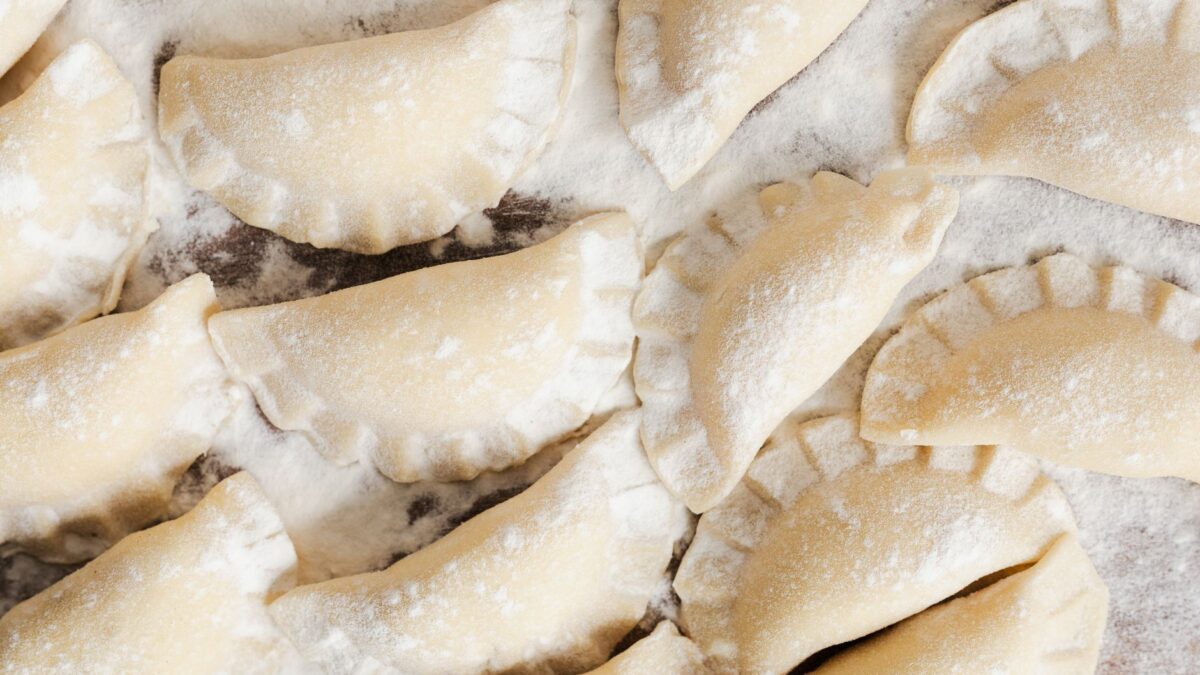
You cannot leave Poland without eating pierogi. While milk bars serve them cheaply, specialized restaurants elevate them to an art form. In the vibrant Praga district, known for its creative energy and neon signs, you will find GOŚCINIEC Polskie Pierogi. This spot is dedicated entirely to dumplings, offering variations beyond the standard potato-cheese filling, including mushroom, sauerkraut, and even fruit options for dessert.
A single plate of high-quality pierogi here runs about 18–23 zł (approx. $5). The dough is hand-rolled, thin yet durable, and the fillings are fresh. If you pair this with a local beer—expect to pay between 12–20 zł (about $4) for a 0.5-liter glass—you have created a perfect evening meal. The atmosphere in Praga is lively, with the Koneser vodka-distillery complex nearby serving as a backdrop for a neighborhood that has reinvented itself without losing its soul.
Mid-Range Dining: Where Tradition Meets Modernity
When you want to sit down in a proper restaurant with a menu that bridges tradition and contemporary flair, Warsaw’s dining scene shines. The city remains one of the cheaper capitals in the EU, meaning your money goes further here than in London or Paris. A meal at a mid-range restaurant typically costs around 60–90 zł (roughly $19) per person.
In the heart of Śródmieście, near the Royal Castle, Soul Kitchen offers a blend of international and local flavors in a bright, welcoming space. It is ideal for a lunch break while exploring the reconstructed Old Town Market Square. For something more traditional yet refined, Stary Dom provides classic Polish dishes in a setting that respects the history of the building. You might order bigos (hunter’s stew), a complex dish of fermented cabbage and various meats that improves with time. It is hearty, robust, and pairs well with dark rye bread.
If you are craving something different, Restauracja Primitivo Kuchnia i Wino in the same district offers Mediterranean influences, showing how Warsaw’s palate has expanded. But for the true experience, stick to the seasonal produce. Early September is when locals start heading into the surrounding forests for the first mushrooms, and these wild finds often appear on menus in dishes like makaron z grzybami (mushroom pasta).
Coffee Culture and Sweet Ends
Poland has a rich coffee culture that rivals Italy’s. After a heavy meal, or perhaps before you brave the afternoon chill, seek out a specialty coffee shop. Buno Specialty Coffee and Ministry of Coffee are staples in the city, offering expertly brewed espresso and pour-over coffees. A cup here might cost slightly more than a beer, but the quality justifies it.
For a sweet treat, try Varsobagel if you are near the river embankments. They serve excellent bagels and coffee, a nod to the city’s diverse culinary influences. If you prefer something more traditional, look for sernik (cheesecake) in any café. Unlike American cheesecake, the Polish version is lighter, made with twaróg (curd cheese), and often served with a dusting of powdered sugar.
Practical Tips for the Food Traveler
Navigating Warsaw’s food scene requires a few practical tips. Public transport is efficient and cheap. A single ticket for buses, trams, or metros costs between 3.40 zł and 4.40 zł (about $0.9), making it easy to hop between districts like Mokotów, Żoliborz, and Wilanów to find hidden gems. If you plan to eat across the city, consider a monthly pass for 110 zł (approx. $28), though for a short trip, daily passes are sufficient.
Be aware of the seasonal rhythm. With the school year starting, the city buzzes with renewed energy. The days are still warm, with temperatures hovering around 16–24°C, but evenings turn crisp. Restaurants may have outdoor seating until late August, but by September, you will likely be seated indoors, enjoying the warmth.
Finally, remember that Warsaw was rebuilt brick-by-brick after WWII. Every meal you eat is part of a narrative of resilience. When you sip your żurek or bite into a pierogi, you are tasting the continuity of a culture that refused to disappear. Enjoy every bite.
Frequently asked questions
How much does a meal cost in Warsaw?
A meal at an inexpensive milk bar costs about 25–35 zł ($8), while a mid-range restaurant dinner runs 60–90 zł ($19) per person.
Where can I find the best pierogi in Warsaw?
For authentic pierogi, visit GOŚCINIEC Polskie Pierogi in Praga or try traditional dumplings at milk bars like Bar Bambino for around 18–23 zł.
What is a bar mleczny?
A milk bar is a cafeteria-style restaurant offering subsidized, home-style Polish meals like żurek and pierogi at very low prices.
Is Warsaw expensive for tourists?
Warsaw is one of the cheaper EU capitals. A filling meal often costs under €8, and public transport is highly affordable.
Things to do in Poland
 Private Bike Tour in Krakow
 Krakow: Guided Sightseeing Tour by golf cart/buggy
 Warsaw City Sightseeing in a Retro Bus for Groups
 Majdanek Concentration Camp & Lublin Full Day Private Tour from Warsaw
 Guided Winter Kayak Tour in Gdańsk & Hot Chocolate Treat
 Zakopane Snowmobile and Thermal Baths Full Day Tour from Krakow