

What to eat in South Africa — and what it costs
The late-winter air in Pretoria has that Highveld snap to it — 10°C at dawn, 28°C by lunch, and the jacarandas still bare against a cloudless sky. You pull on a jersey for your first coffee, but by the time you’re walking down Hatfield’s streets past the University of Pretoria (Tukkies) students, you’ve stripped it off. This is the season when locals start whispering about spring, when the parks are dusty but the braai coals are hot, and when the city’s food scene feels like a secret handshake. Let me be your guide to what to eat in South Africa right now — and exactly what it’ll cost you.
The Braai: South Africa’s Sunday Religion
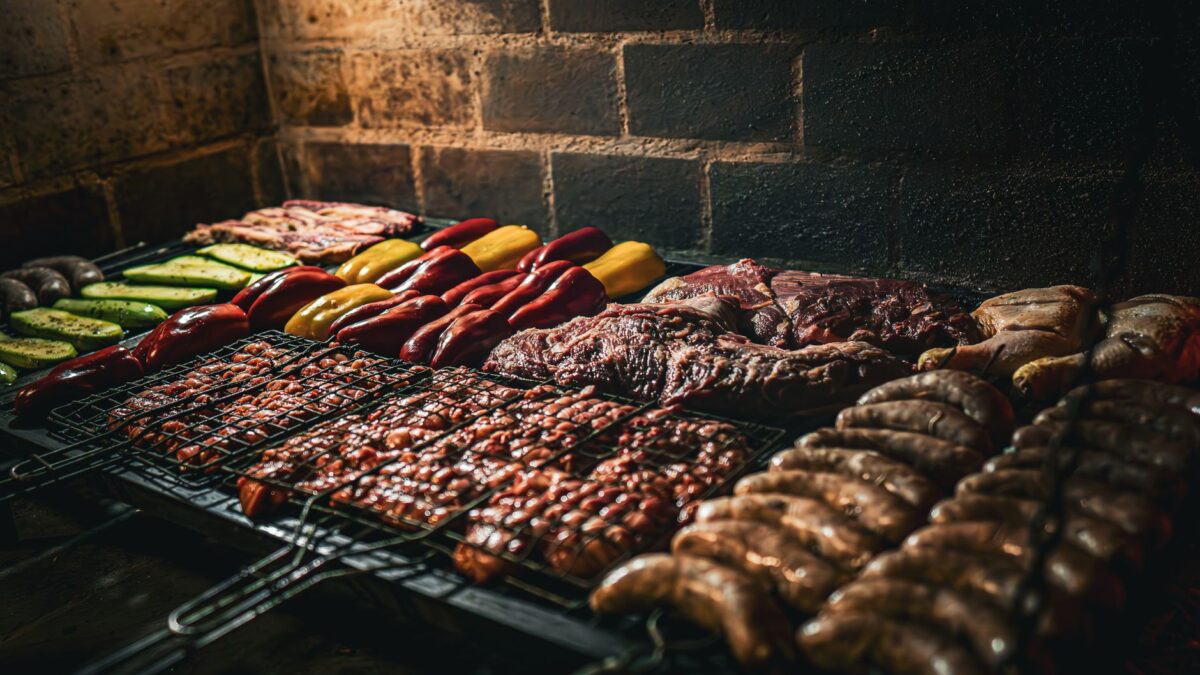
If you’re in Pretoria in late August, you’ll smell it before you see it: skewered boerewors hissing over coals, the sweet smoke of braaibroodjies (grilled cheese-and-tomato sandwiches) wafting from suburban gardens in Brooklyn, Lynnwood, and Menlo Park. The braai isn’t just a barbecue — it’s a ritual. You don’t rush it. You stand around with a cold one, talk about the Strulands substation theft that left half of Pretoria East in the dark for a week, and you wait for the meat.
For a proper sit-down braai without a host, head to SMOKE Pretoria in Menlyn. It’s a smokehouse that respects the fire. A plate of slow-smoked ribs or a boerie roll will set you back around R150 to R220 — roughly $8 to $12 at the current exchange rate of about 18.3 rand to the dollar. If you want the full experience, order a mixed platter and share it like a local. At the Hazel Food Market on a Saturday morning, you can grab a boerie roll for about R40 to R60 — the street-food price that beats any fast-food chain.
Bunny Chow, Gatsby, and the Street Food You Can’t Miss
I know, I know — bunny chow is a Durban thing, but you’ll find it in Pretoria too, especially in the CBD around Church Square and the Palace of Justice. It’s a hollowed-out loaf of white bread stuffed with curry — bean, chicken, or mutton. It’s messy, it’s glorious, and it costs about R50 to R80 at any hole-in-the-wall takeaway. If you’re brave, ask for it with lamb. If you’re not, the bean curry is vegetarian and just as soulful.
Then there’s the Gatsby — a Cape Town classic that’s made its way north. A long roll packed with slap chips (soft, vinegary fries), polony, and sauce, it’s the ultimate hangover cure. In Hatfield, near the Gautrain station, you’ll find student-friendly spots selling a half-Gatsby for R45 to R65. It’s not fine dining, but it’s honest food that fuels a day walking the Union Buildings terraces or the Voortrekker Monument.
The Coffee Scene: Fuel for Your Day
Pretoria runs on more than just electricity — and given the load-shedding stories dominating every conversation, that’s a good thing. The city’s café culture is strong, and the coffee is seriously good. In Brooklyn, start your morning at The Coffee Cafe or Ground Coffee on the main strip near Brooklyn Mall. A flat white or cappuccino will cost you between R30 and R45 — about $2. At Sorcery Coffee Roasters in the east, they take it seriously; the single-origin pour-over might push you to R55, but it’s worth it.
If you’re near the University of Pretoria’s Hatfield campus, drop by Grounded at Echo — a relaxed spot that’s a favourite with Tukkies students. You can get a toasted sandwich and a coffee for under R100, which is a steal when you consider the exchange rate. And if you’re in Waterkloof, the embassy belt, look for Aroma Gourmet Coffee Roastery. Their beans are roasted on-site, and a bag to take home costs around R120 to R180.
Sit-Down Dining: From Social Grills to Italian Hideaways
Pretoria’s restaurant scene has grown up. In the leafy suburbs of Waterkloof and Muckleneuk, you’ll find everything from Portuguese peri-peri chicken to modern Afrikaans fare. For a proper dinner, book a table at The Social Grill in Menlyn — it’s exactly what it sounds like: a lively, open-fire grill place where the steaks are thick and the sides are generous. A main course of rump or sirloin will cost around R220 to R280 ($12–$15), and a two-course meal for two with a bottle of local wine (try a Stellenbosch Chenin Blanc) will set you back about R600 to R800 all in.
For something more intimate, Wood & Fire in the east is a wood-fired pizza and grill spot that’s become a neighbourhood favourite. A wood-fired margherita is about R95, and a slow-cooked lamb shank is R185. If you’re after a view, head up to The Rock Restaurant near the Voortrekker Monument — it lives up to its name, perched on a koppie with city views. A weekday lunch special might cost you R120 for a main and a drink.
Where to Eat Near the Landmarks
You’ll be doing a lot of sightseeing, so here’s how to eat smart. After touring the Union Buildings and the Nelson Mandela statue, walk down to Church Square — the historic heart with the Palace of Justice and Paul Kruger’s statue. Around the square, you’ll find quick eats like samoosas and vetkoek (fried dough) for R10 to R20 each from street vendors. It’s not gourmet, but it’s real.
Near Freedom Park on Salvokop hill, there aren’t many restaurants, so pack a picnic or grab something at the Pretoria National Botanical Garden in Brummeria — the garden’s restaurant does a decent toasted sandwich and coffee combo for about R85. For a more upmarket experience, book a table at GH On Festival in Hatfield — it’s a chic spot with a modern menu; mains average R180 to R240. After dinner, if you’re staying at the Bohemian Guesthouse in Pretoria or the Prinshof Manor Guesthouse, you’ll be able to walk off the meal in the quiet, tree-lined streets.
Sweet Things and Weekend Markets
You can’t leave South Africa without tasting a melktert (milk tart) or a koeksister. The best bet is the Hazel Food Market in Hazelwood, a weekend institution that’s been running for years. You’ll find a dozen stalls selling homemade tarts, rusks, and biltong (dried cured meat). A slice of melktert is R25 to R35, and a small packet of biltong is R40 to R60. It’s the perfect snack for a hike at Groenkloof Nature Reserve — where you can spot zebra and antelope — or a drive out to Broederstroom for the Outdoor & Adventure Expo (if you’re here on the 14th–16th of August, that is).
Budget Breakdown: What You’ll Actually Spend
Here’s the honest numbers. A day of eating like a local — street-food breakfast, a coffee, a Gatsby for lunch, and a sit-down dinner — will cost you around R300 to R450 per person, which is about $16 to $25. If you’re on a tighter budget, you can eat well for under R200 a day by sticking to samoosas, vetkoek, and bunny chow from takeaways. At the other end, fine dining in Waterkloof or Menlyn will see you spend R500 per head without blinking. The rand is weak, so your dollars or pounds stretch further than you think.
Practical Tips for Eating in Pretoria
Most restaurants accept card, but carry cash for street vendors and markets. Tipping is standard — 10% to 15% at sit-down places. And don’t drink the tap water in the CBD; buy bottled water or use a filter. For food safety, stick to busy places — if locals queue, it’s good. And remember: in winter, the sun sets early (around 5:47 PM), so plan your dinners early or you’ll be eating in the dark.
Finally, a note on the city’s mood. Pretoria is a government town — the Union Buildings watch over it, and the talk is always of bills and budgets. But the food is anything but bureaucratic. It’s warm, honest, and full of flavour. So get out there, order a boerie roll, and eat like you mean it.
Safe travels and lekker eet!
Frequently asked questions
How much does a typical meal cost in South Africa?
A street food meal like a boerie roll costs around R40–R60, a sit-down lunch at a café is about R100–R150, and a dinner at a mid-range grill like The Social Grill will be R220–R280 for a main.
What is the most famous South African food I must try?
You must try a braai (barbecue) with boerewors sausage, and also seek out bunny chow (curry in a hollowed loaf of bread) and biltong. For dessert, have a slice of melktert (milk tart).
Is it safe to eat street food in Pretoria?
Yes, if you stick to busy stalls with high turnover. In areas like Church Square and near the University of Pretoria, street vendors are popular with locals. Use cash, and if you're worried, opt for packaged snacks like biltong.
What is the approximate exchange rate in South Africa?
As of 2026, the rand is around 18.3 to the US dollar. That means a coffee at R35 is roughly $1.90, and a main course at R200 is about $11.
Do restaurants in Pretoria accept credit cards?
Most sit-down restaurants and cafés do accept Visa and Mastercard. For street food and market stalls, carry cash — ATMs are plentiful, but avoid withdrawing alone at night in the CBD.
Things to do in South Africa
 India Venster: sensational half-day route up Table Mountain
 Cape Peninsula & Penguins Private Day Tour, Entrances Included.
 Table Mountain Private Hike Tour of Kasteelpoort Route from Cape Town
 Private Full Day Safari (10 hours) in Kruger National Park
 Open Vehical Safari in Kruger National Park Half Day
 HIKE Cape Town-South Africa With a Private Guide