

What to eat in Thailand — and what it costs
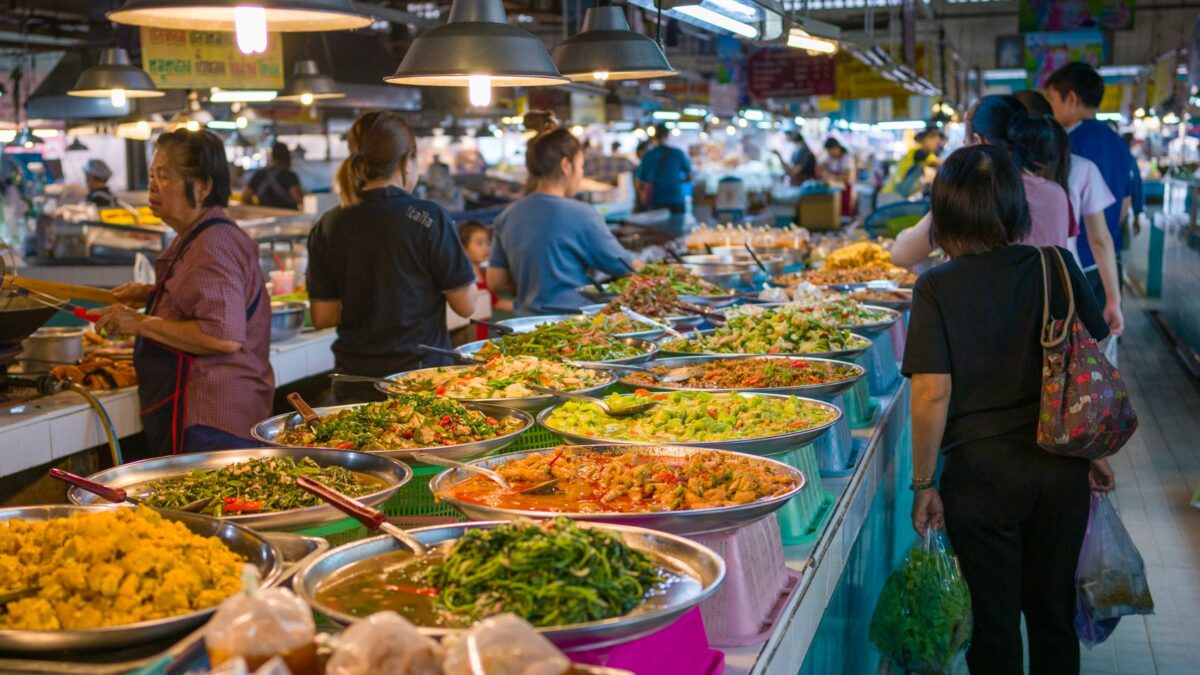
It is a sticky, humid Tuesday in late October, and the sky over Bangkok is that bruised purple-grey colour that promises trouble. The air feels heavy enough to wear, hovering around 36°C with the humidity pushing the ‘feels like’ temperature past 40°C. But here is the secret: while the thunderstorms roll in and the canals rise, the street food stalls stay open. In fact, they are at their most vibrant. I am Ploy Siriwan, and if you think eating well in Thailand means spending a fortune, let me correct that record right now. You can eat your way through this city for less than the price of a cup of coffee in New York, provided you know where to look.
The Street Food Economy: Real Prices for Real Food
Let us talk money first, because it is the backbone of Thai travel. If you are used to Western prices, your wallet will do a happy dance. A meal at an inexpensive local stall—say, a bowl of khao pad (fried rice) or a plate of grilled chicken with sticky rice—will cost you about 45–70 THB (roughly $1.6). That is it. You can sit on a plastic stool, sweat through your shirt, and eat better than you might in a mid-range restaurant back home.
However, the city is changing. Rents have climbed, and even the BTS Skytrain fares are distance-based now, running from 17 to 65 THB depending on how far you travel. A one-day unlimited pass for the BTS is 150 THB (about $4), which is worth it if you are hopping between districts. But for food, the old rules still apply. A single boat noodle (kuay teow reua) at the famous stalls near Victory Monument costs just 15–25 THB per small bowl. Locals order three or four bowls to get their fill of rich, star-anise broth and tender pork. It is cheap, it is fast, and it is unforgettable.
If you move into a mid-range air-conditioned restaurant or a modern food court, expect to pay 150–180 THB (around $5) for a main dish. This is the sweet spot for comfort: clean tables, cold beer, and dishes that are cooked to order without the chaos of the sidewalk.
Districts to Eat: From Yaowarat to Ari
Bangkok is not one city; it is a collection of villages stitched together by traffic jams and train lines. Your food experience depends entirely on which village you are in.
Yaowarat (Chinatown): This is the crown jewel. As the sun sets, Yaowarat Road transforms. The neon signs buzz, and the smell of frying garlic and chili hits you from blocks away. This is where you go for seafood, dim sum, and exotic meats. Look for Thipsamai Padthai Pratoopee, a legendary spot for pad thai that has been serving the same recipe for decades. Do not be fooled by the long queues; they move fast. Here, a lavish seafood feast for two might cost 800–1,200 THB, but a simple bowl of clay-pot rice is still under 100 THB.
Ari: Head north to the Ari district, and the vibe shifts. This is the hipster enclave, leafy and slow. You will find indie coffee roasters and craft bakeries here. A cup of coffee at a local chain like Amazon or an independent roaster will run you 60–100 THB (about $2.3). It is quiet, it is cool, and the food is a mix of traditional Isan (northeastern) cuisine and modern fusion. Try รสกรุง – Ros Krung Esarn Thai Cafe for authentic spicy salads that won’t break the bank.
Sukhumvit (Soi 55/Thonglor): If you want to see where the expats and wealthy Thais dine, go to Thonglor. This is the upscale strip. You will find places like SOI Bangkok Restaurant and The Family. These are beautiful, design-forward spots. Expect to pay 500–1,000 THB per person for a nice dinner with wine. It is expensive by Thai standards, but reasonable for international travelers seeking quality and ambiance.
Hidden Gems and Honest Eateries
Sometimes the best meals are not in the guidebooks. In the Talat Noi area, near the river, you will find Sunset Coffee Roaster, a tiny spot with incredible views of the Chao Phraya River at dusk. Pair your coffee with a snack from a nearby vendor, and you are set for under 200 THB.
For something truly local, seek out Cheaper & Better Street Food tours or simply wander into the older neighborhoods like Banglamphu near Khao San Road. While tourist traps abound, the side streets hold gems. Look for vendors with high turnover—steaming woks and fresh ingredients. A bowl of tom yum soup here might cost 80 THB, whereas in a hotel restaurant it could be 300 THB.
Do not sleep on the riverside either. The ICONSIAM complex has a fantastic indoor market floor called “SOI” that brings street food vendors under one roof. It is clean, air-conditioned, and surprisingly affordable. You can try everything from mango sticky rice to grilled squid for 100–200 THB each. It is a great option when the October rains become too heavy to stand outside.
Practical Tips for Eating Well in Bangkok
First, drink bottled water. Tap water is not safe. Second, use PromptPay QR codes if you can—they are ubiquitous—but carry cash for the small stalls. A litre of milk or a loaf of bread in a supermarket like Tops or Villa Market will cost about 50–60 THB each, so grocery shopping is a viable option if you are staying longer.
If you need a break from cooking, a modest 1-bedroom condo in areas like Ari or Rama 9 rents for 12,000–20,000 THB monthly, but for short stays, a decent guesthouse is 1,800–3,500 THB per night. Many include breakfast, which is often a simple buffet of congee, eggs, and toast for the price of the room.
Finally, be aware of the weather. Early October is the tail end of the rainy season. Sudden downpours are common. Keep a umbrella handy, and remember that flooding has affected parts of the city recently. Check local news like Thai Rath before heading out to distant districts. But do not let the rain stop you from eating. There is always a sheltered stall, a covered market, or a warm kitchen waiting for you.
Frequently asked questions
How much does street food cost in Bangkok?
Most street food dishes, such as fried rice or noodles, cost between 45–70 THB (roughly $1.6). Boat noodles can be as low as 15–25 THB per small bowl.
What is a good budget for a mid-range restaurant meal?
A main dish at a mid-range air-conditioned restaurant or food court typically costs 150–180 THB (around $5). Upscale dining in areas like Thonglor may cost 500–1,000 THB per person.
Where is the best place for street food in Bangkok?
Yaowarat (Chinatown) is the top destination for evening street food, offering seafood, dim sum, and pad thai. Other excellent areas include Ari for local cafes and Talat Noi for hidden gems.
Is it safe to drink tap water in Thailand?
No, tap water is not safe to drink. You should purchase bottled water or use filtered water provided at most restaurants and hotels.
How much does a cup of coffee cost in Bangkok?
A cup of coffee at a local café or chain like Amazon typically costs 60–100 THB (about $2.3). Specialty roasters may charge slightly more.
Things to do in Thailand
 Riverside Thai Cooking Class in Khao Lak with Market Tour
 Special offer
Private James Bond Island Speedboat Adventure Tour w/ Canoeing
Special offer
Private James Bond Island Speedboat Adventure Tour w/ Canoeing
 Chiang Mai Jungle Coffee Experience: Farm Trek, Roast & Brew.
 Private Floating market and Railway Market & Ayutthaya Historical
 Half-Day Thai Cooking Class with organic ingredients
 Safety whitewater rafting in Chiangmai by Khampan Rafting