

What to eat in Turkey — and what it costs
The late August heat in Ankara is a dry, patient thing — it settles on the stone of Ankara Castle by mid-morning, then breaks just as the sun drops behind the Kocatepe Mosque. On the way down from the old citadel, through the narrow streets of Ulus, a lokanta’s steel trays catch the low light: buttery Ankara tava — lamb and bulgur baked together until the edges crisp — a plate of kuzu tandır falling apart at the touch, and a cold glass of ayran to cut the richness. You’re not in Istanbul; you’re in the capital, where the food is more direct, more rooted, and still honest about its price. Here’s what to eat in Turkey — or at least in this steppe city — and what it will set you back.
A City of Steppe Flavors and Bureaucrat Lunch Breaks
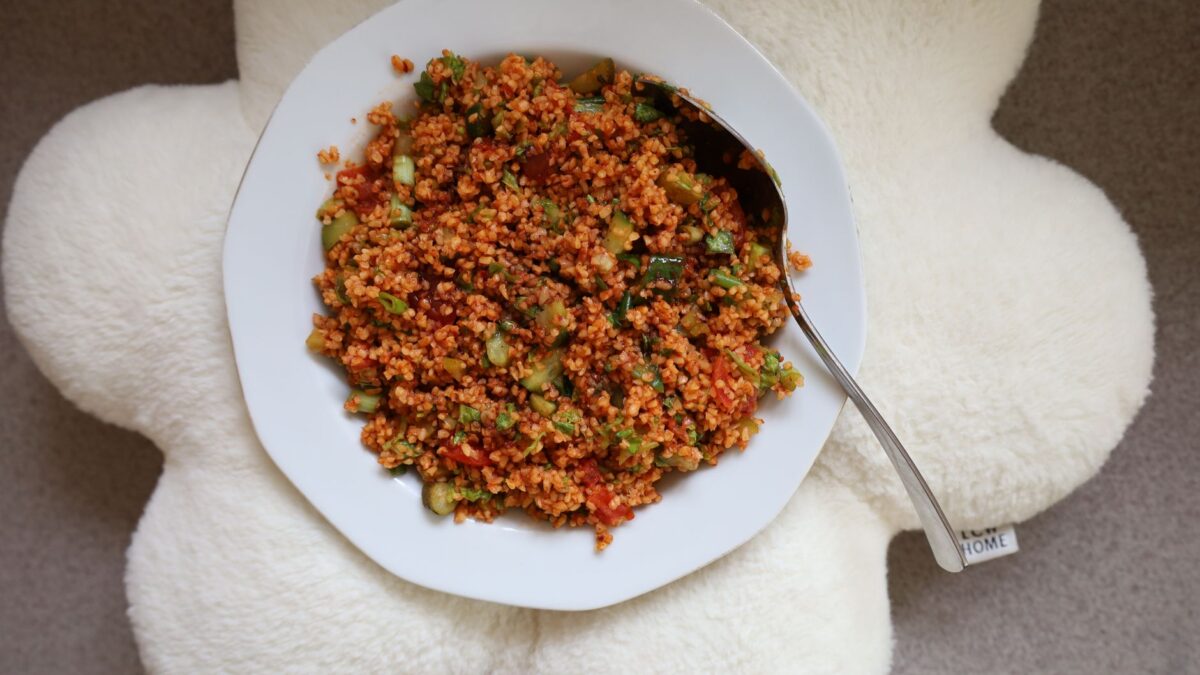
Ankara isn’t the country’s culinary show-off — Istanbul and Gaziantep get the headlines — but it’s where Turkey’s deep inland kitchen lives. The dishes are built for long winters and hot summers: dried beans, pickled vegetables, bulgur, and lamb. The classic to seek out is Ankara tava, a slow-cooked lamb and bulgur stew named after the city itself. A lokanta portion runs about ₺350–450, which is roughly $12 — and it usually comes with a small salad and bread. That’s consistent with the broader cost of an inexpensive local meal in Ankara, which hovers around ₺490 (with a range of ₺345–800, or about $15).
For a proper lunch, head to the working-class heart of Ulus, below the castle, where the esnaf lokantası (tradesmen’s eateries) serve daily rotating trays. The Museum of Anatolian Civilizations is nearby — a staggering prehistory-to-Ottoman collection in a 15th-century bedesten — and it’s a good pairing with a meal that feels like a time capsule. If you want a step up, make your way to Göksu Restoran in Çankaya, a long-standing favorite for home-style Turkish dishes in a slightly more polished setting. You’ll pay closer to the mid-range mark — about ₺960 per person for a three-course meal, or roughly $30, without drinks.
Street Food: The Quick, Cheap, and Essential
Late summer in Ankara means bazaars overflowing with melons, watermelons, and deep purple grapes — a snack that costs almost nothing and tastes like the season. For something more filling, the classic street play is a simit (sesame-crusted bread ring) from a cart, often around ₺25–35, though the price trails the volatile inflation. A better anchor: a cup of filter coffee at a café runs about ₺187 (range ₺100–250, or ~$6), so street bread is still a bargain. If you’re near Kızılay Square, the city’s transport and commerce hub, you’ll see carts and small shops selling gözleme — thin stuffed flatbreads — and tantuni (shredded meat wraps, a southern import). These usually land in the ₺150–250 zone, which aligns with the low end of a lokanta meal.
Be aware of the urban rhythm: Ankara’s restaurants serve lunch early, often wrapping up by 15:00, and dinner is a slower, later affair. On a day like this, with highs of 34°C, the Atakule tower in Çankaya offers air-conditioned relief and a 360-degree view, but skip the revolving restaurant — it’s a tourist trap. Instead, walk down Tunalı Hilmi Caddesi in Kavaklıdere, where the meyhane strip (traditional taverns) starts buzzing after sunset. A domestic draft beer (0.5 L) there will cost about ₺220 (range ₺100–340, ~$7), and a full meze spread can push toward the ₺1,500–2,000 range for two.
Mid-Range and Upscale: Where to Splurge
Ankara’s more polished dining is concentrated in Kavaklıdere and Gaziosmanpaşa (GOP), the city’s diplomatic and wealthy enclaves. Trilye Restaurant is a standout for Aegean-inspired seafood and mezes — a break from the steppe’s meat focus — and a three-course meal for two, without drinks, will land near the ₺1,920 mark (about $60 total). Fige Restaurant offers a more modern Turkish tasting approach in a warm setting, while Deli Yengeç does excellent seafood in a casual-hip style. For a brunch or lighter bite, Louise Cafe Brasserie & Loft in Çankaya is a favorite for coffee and eggs, with a cappuccino there falling in the usual ₺100–250 range.
If you want to see how Ankara’s new money eats, book a table in GOP — think elevated Anatolian cuisine with wine pairings. Prices there can reach ₺1,200–1,500 per person for a full experience, but you’re paying for the hillside views and the discreet service as much as the plate. For coffee throughout the day, Verte Coffee House and OAK Coffee Co. are reliable third-wave spots; Coffee Roof atop a building in Kavaklıdere gives you caffeine with a view over the rooftops.
The Costs That Matter: Budgeting for Ankara
Let’s talk money in real terms. A single bus or metro ride on the AnkaraKart (the EGO transit card) is ₺35 — but note that it rises to ₺40 on 23 August 2026, just one week before Victory Day (Zafer Bayramı) on August 30. A monthly unlimited student pass is a bargain at ₺650 (about $20); full fares are unconfirmed but will be roughly double that. Groceries are modest: a liter of milk is ₺55, a 500g loaf of fresh white bread ₺45. But inflation is a live wire — rents and meals have roughly doubled since 2024. A modest 1-bedroom outside the center runs ₺25,000–30,000 per month (about $840), while a city-center equivalent averages ₺35,000. Istanbul is pricier, but Ankara is no longer cheap; it’s just less expensive.
The good news for tourists: several of the best things are free. Anıtkabir, Atatürk’s monumental mausoleum, costs nothing to enter — just close on Mondays. The Museum of the War of Independence and the Rahmi M. Koç Museum (a transport and industry museum) are modestly priced, typically under ₺200. The Temple of Augustus in Ulus, with its ancient Roman inscription, is free and sits beside the Hacı Bayram Mosque — visit before the crowds, then wander down to the bazaar.
Practical Bites: Where to Stay and Navigate
If you’re basing yourself here, think about Balgat or Yenimahalle on the metro lines — these residential areas are more affordable and have a growing café and coworking scene. Occidental Ankara is a solid mid-range hotel in Kavaklıdere, while A Apart Otel and Ankara Koza Suite Hotel offer short-term apartment-style stays in central spots. For longer stays, you’ll need a residence permit via the e-ikamet.goc.gov.tr portal, a tax number from the vergi dairesi, and a bank account — Ziraat Bankası (state bank) is the most foreigner-friendly.
Don’t skip the Atatürk Forest Farm (AOÇ) on the city’s edge — a green farm-park where you can try the famous Ankara katmeri (a flaky pastry with pistachio) at the historic farm dairy café. Or take the EGO bus 157 south to Mogan Lake or Eymir Lake for a late-afternoon cycle and grilled fish at the lakeside restaurants. These spots are where locals go to escape the heat.
Final Bite
Ankara rewards the patient eater. It won’t dazzle you like Istanbul’s bazaars or Gaziantep’s baklava shops, but it feeds you deeply — lamb and bulgur, beans and pickles — and it does so without the tourist markup. On your last evening, get a dondurma (stretchy Turkish ice cream) near Kızılay or a slice of kadayıf from a pastry shop in Ulus, and watch the city cool down as the Perseid meteor showers streak the sky. You’ll have spent maybe ₺1,500 on a day of great eating — about $45 — and that, in this town, is a proper meal and a half.
Frequently asked questions
What is Ankara's signature dish?
Ankara tava — a slow-cooked lamb and bulgur stew — is the city's namesake dish. Expect to pay around ₺350–450 (about $12) for a lokanta portion.
How much does a meal cost in Ankara in 2026?
An inexpensive meal at a local lokanta runs about ₺490 (range ₺345–800). A mid-range three-course meal for two, no drinks, costs about ₺1,920 total (roughly $60).
Are there free things to do in Ankara?
Yes — Anıtkabir (Atatürk's mausoleum) is free to enter, and the Temple of Augustus in Ulus is also free. Both are highly worthwhile and have no entry fee.
How do I pay for public transport in Ankara?
Use an AnkaraKart, a reloadable tap card valid on metro lines M1/M2/M3, the Ankaray light rail, and EGO buses. A single ride costs ₺35 — rising to ₺40 on 23 August 2026.
What is the safest area to stay in Ankara?
Kavaklıdere and Gaziosmanpaşa (GOP) are upscale, diplomatic, and generally safe districts with the best restaurants. Balgat is a more affordable but well-connected residential choice.


