

What to eat in United Kingdom — and what it costs
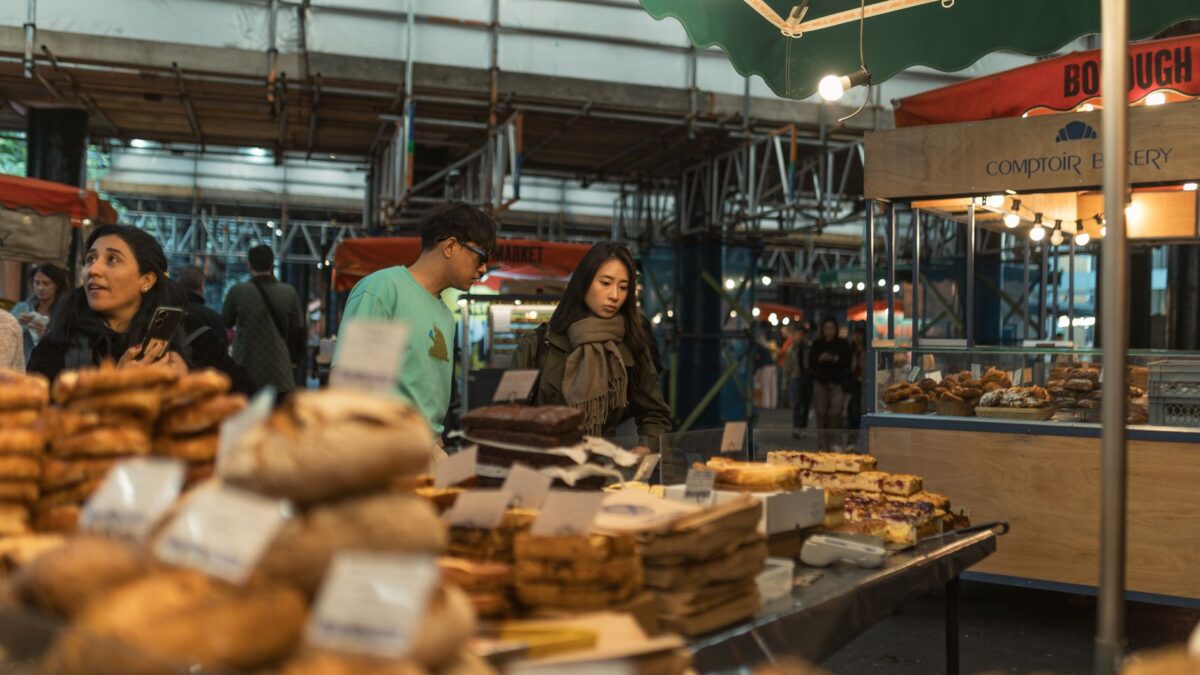
London in early November is a study in atmospheric contrast. The days are short, with darkness falling by four in the afternoon, and the pavements are slick with wet leaves that smell of woodsmoke from the Bonfire Night fires. It is the season where the chill seeps into your bones, making it the absolute perfect time to seek out the comfort of hearty, historic food. You do not need to spend a fortune to eat well here; you just need to know where the steam is rising.
The Sunday Roast: A National Ritual
If there is one dish that defines British hospitality, it is the Sunday roast. This is not merely lunch; it is an institution. You will find this in nearly every pub, but for a traditional experience, head to Rules in Covent Garden. As London’s oldest restaurant, established in 1798, it offers a setting steeped in history—once frequented by Charles Dickens and Winston Churchill. Expect a table for two to run around £50–£60 for two roasts, drinks, and sides. If you prefer something more modern and slightly more affordable, Blacklock Soho serves excellent dry-aged steaks and classic roasts in a stylish, bustling environment. Their prices are transparent, with mains typically ranging from £18 to £24. Don’t leave without trying the Yorkshire pudding; it is the soul of the meal.
Street Food and Market Eats
For those on the move, London’s markets are the heartbeat of its culinary scene. Borough Market in Southwark is the premier destination. It is a sensory overload of artisanal producers and ready-to-eat stalls. Here, you can grab a world-class steak sandwich or fresh oysters from native oyster specialists. A quality street-food meal here will cost you between £10 and £15. For a more local vibe, travel east to Walthamstow, named the UK’s best place to live by The Sunday Times in 2025. Walthamstow Market, thought to be the longest street market in Europe, offers incredible value. You can find Caribbean jerk chicken, Middle Eastern wraps, and fresh produce for fractions of the cost of central London prices.
In Brixton, the atmosphere shifts to South London’s Caribbean culture. The Brixton Market and Brixton Village are hubs for global street food. Grabbing a plate of curry goat or patties from a stall here might set you back only £8–£12. It is vibrant, loud, and deeply authentic. Meanwhile, if you find yourself near King’s Cross, the area around Coal Drops Yard has evolved from industrial ruin to a chic shopping and dining precinct. While slightly pricier, you can still find quick bites for under £15 at various pop-ups.
Casual Dining and Brunch Culture
London’s brunch scene is legendary, particularly in Shoreditch and Hackney, the hipster heartland of East London. Here, converted warehouses house craft breweries and Michelin-starred dining rooms like The Clove Club and Brat. However, you don’t need to book months in advance for good food. In Covent Garden, Bill’s Covent Garden Restaurant is a reliable chain known for generous portions of eggs Benedict, pancakes, and full English breakfasts. A typical bill for two people, including drinks, will hover around £40–£50. For a more independent option, Mother Mash Carnaby offers creative mash-based dishes in a lively setting, with mains generally priced between £14 and £18.
Coffee culture is equally important. Start your morning at WatchHouse Seven Dials or Kiss the Hippo Coffee Covent Garden. A flat white and a pastry will cost roughly £6–£8. These spots are perfect for people-watching before the rain sets in. If you want a nostalgic touch, try the Regency Cafe for a proper fry-up. It is a no-frills institution where a full English breakfast costs about £10–£12, providing enough energy to tackle the day’s sightseeing.
Practical Costs and Getting Around
Eating out in London can vary wildly depending on location. A sit-down meal at a mid-range restaurant like Brother Marcus Covent Garden or Mother Mash Covent Garden will typically cost £25–£35 per person for a main course. Fine dining in Shoreditch’s Michelin-starred venues can easily exceed £100 per person without wine. Conversely, street food and market stalls offer the best value, often under £15.
Transport costs also impact your daily budget. With the Piccadilly line currently shut until Monday 2 November and Burn Oak station closed for works, rely on buses or other tube lines. Transport for London (TfL) uses a contactless payment system. A single Zone 1 trip is around £3.10 peak, with a daily cap of £8.90. Bus fares are a flat £1.75 with the ‘Hopper’ fare allowing free transfers within 60 minutes. This makes navigating to distant markets like Walthamstow or Brixton very affordable.
Remember that November is peak season for tourism due to Christmas lights starting immediately after Halloween. Carnaby Street and Regent Street will be illuminated and busy. Book restaurants in advance, especially for Sunday roasts. Also, note that from March 2026, transport caps are frozen, but general inflation remains at 3.9%, so prices may creep up slightly compared to previous years.
Seasonal Specialities
November brings specific seasonal treats. Game meats, such as venison and pheasant, begin to appear on menus, often paired with rich, dark sauces. Native oysters are also at their peak, offering a briny, sweet taste best enjoyed raw. Look for these items in places like J. Sheekey in Covent Garden, a historic seafood restaurant where a pint of oysters might cost £15–£20. Chestnuts roasted on the street are another autumn staple, costing around £2–£3 for a small bag, perfect for warming your hands and stomach as you walk through Hyde Park or Regent’s Park.
Whether you are exploring the restored Victorian General Market housing the new London Museum in Smithfield or wandering the streets of Bloomsbury, let food be your guide. London rewards curiosity. From a £10 fry-up in a Regency cafe to a £60 roast in a historic inn, the city offers a spectrum of flavors that reflect its diverse history and vibrant present.
Frequently asked questions
How much does a Sunday roast cost in London?
A traditional Sunday roast at a pub like Rules or Blacklock typically costs between £25 and £35 per person for the meal itself, with a total bill for two often reaching £50-£60 including drinks.
Where is the best street food in London?
Borough Market in Southwark is the top choice for high-quality artisan street food, while Walthamstow Market offers the best value and diversity in East London. Both offer meals for under £15.
What is the average cost of a coffee and pastry in London?
At popular cafes like WatchHouse or Kiss the Hippo, expect to pay around £6-£8 for a flat white and a pastry.
Are there cheap eats in London?
Yes. Markets like Brixton and Walthamstow offer excellent global street food for £8-£12. Traditional pubs also serve filling, affordable meals like pies and fish and chips.
How much does public transport cost in London?
Using contactless payment, a Zone 1 single ride is approx £3.10 peak, with a daily cap of £8.90. Bus fares are £1.75 with free transfers within 60 minutes.


